Search over 7 Border Terrier dogs across Australia
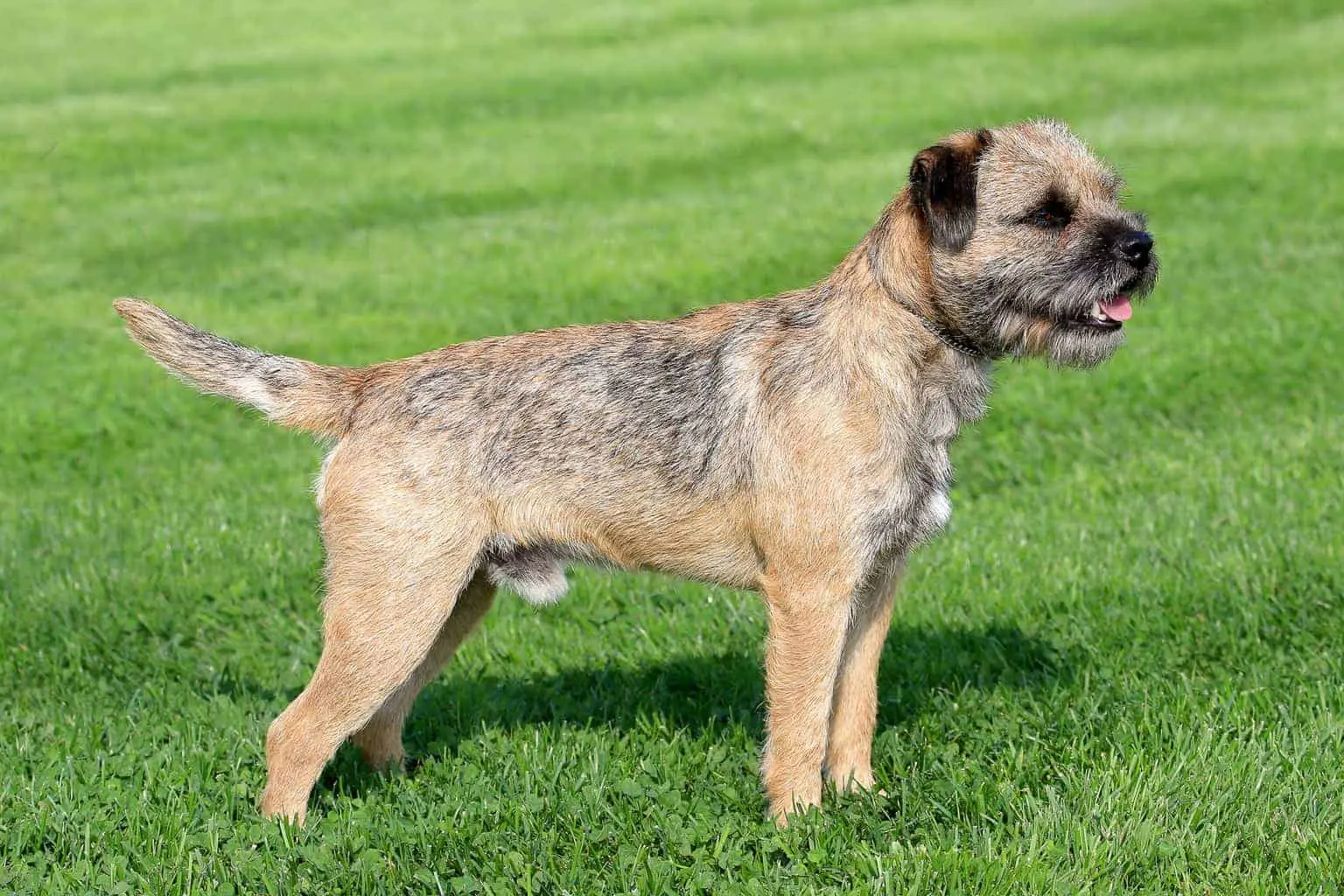
The Border Terrier is a small but sturdy breed, instantly recognisable by its otter-shaped head and playful yet affectionate nature. Originally bred for fox hunting along the rugged English-Scottish border, this lively terrier has a rich working heritage and remains both a skilled hunter and a loving family companion.
Whether you’re searching for Border Terriers for sale in Australia or simply want to learn more about the breed’s traits, history, and care needs, PetsForHomes has everything you need to know before bringing one of these energetic little dogs into your home.
Filter 
Search

Breed
Location

Price Range
Breed Characteristics
Grooming


Exercise
Size Range




Find Border Terriers
For Sale
7 Results
Australia's No. 1 Free Pets Classified
The Border Terrier is a small but sturdy breed, instantly recognisable by its otter-shaped head and playful yet affectionate nature. Originally bred for fox hunting along the rugged English-Scottish border, this lively terrier has a rich working heritage and remains both a skilled hunter and a loving family companion.
Whether you’re searching for Border Terriers for sale in Australia or simply want to learn more about the breed’s traits, history, and care needs, PetsForHomes has everything you need to know before bringing one of these energetic little dogs into your home.

 Questions To Ask A Breeder
- Are you are registered breeder?
- Can we meet in person?
- Have they been socialised?

Breed Characteristics
Grooming
Exercise
Size Range
The Ultimate Border Terrier Guide
About Border Terrier
Border Terriers were developed to help farmers control fox populations, requiring a dog that was fast enough to chase foxes yet small enough to follow them into dens.
Today, their high energy levels, affectionate temperament, and adaptability make them well-suited to modern households.
Despite their compact size, Border Terriers are often described as “big dogs in small bodies” due to their sturdy build, athletic ability, and adventurous spirit.

Lifespan
12 - 15 years

Weight
Male: 6 - 7 kg Female: 5 - 6 kg

Height
Male: 33 - 41 cm Female: 28 - 36 cm

Grooming
Brush their coats weekly.
Origins
The breed originated in the Cheviot Hills, straddling Northumberland (England) and Scotland, where farmers needed hardy, fox-bolting terriers capable of navigating rough terrain.
Initially known by names tied to local regions (like the Ullswater Terrier, Coquetdale Terrier, and Reedwater Terrier), they became known as Border Terriers in the 1880s.
By the early 20th century, Border Terriers were shown in exhibitions, officially gaining Kennel Club recognition in 1920.
They arrived in Australia during the 1940s and 1960s, where they quickly gained popularity among farmers and families alike.
Key Characteristics Of Border Terriers
Are Border Terriers Family-Friendly?
Border Terriers are affectionate, sociable, and eager to please, making them excellent companions for families with children.
While they are generally even-tempered, they retain their terrier independence and curiosity. Their strong prey drive means early training and secure fencing are essential.
Common Health Issues & Considerations
Border Terriers may suffer from:
Hip dysplasia
A genetic condition where the hip joint doesn’t fit properly, causing pain and mobility issues.
Juvenile cataracts
An early-onset eye disorder that clouds the lens, leading to vision problems.
Heart defects
Congenital issues affecting heart function, which can range from mild murmurs to serious complications.
Syringomyelia
A neurological disorder where fluid-filled cavities develop in the spinal cord, causing discomfort and sensitivity.
Perthes disease
A hip condition where the femoral head loses blood supply, leading to joint degeneration and lameness.
Canine Epileptoid Cramping Syndrome (CECS)
Similar to seizures but without lasting neurological damage.
Nature / Temperament
Friendly, Affectionate, and Intelligent
Suitable Environment
While Border Terriers can adapt to apartment living, they thrive best in homes with secure yards. Their hunting heritage means they love to run, dig, and explore.
Key environment needs include:
- Secure Fencing: Prevents digging or escaping due to their prey drive.
- Indoor Living: Borders bond deeply with their families and should live inside.
- Safe Play Areas: Enclosed spaces where they can run freely and safely.
Other Considerations
- If you’re thinking to get a Border Collie puppy for sale, it’s important to know that Borders are pack-oriented and should live indoors close to their human companions. They are exceptionally loyal; once a bond is forged, it endures for eternity. They will be obedient and well-behaved most of the time.
- These dogs easily gain weight. Ensure they receive the proper amount of food and daily exercise to prevent excessive weight gain.
- They have a high pain tolerance, so if your pup falls ill, you may only notice if they change their behavior. Be vigilant for signs of withdrawal or unusual quietness.
How can I take good care of my Border Terrier?
Nutrition
A Border Terrier puppy thrives on a balanced diet of high-quality dog food, ideally formulated for small, active breeds.
Feed 1–1.5 cups daily, divided into two meals, to maintain steady energy levels and prevent overeating. Monitor their weight closely, as this breed can gain kilos quickly if overfed or under-exercised.
Include foods rich in lean protein, omega fatty acids, and essential vitamins to support their active lifestyle and coat health.
Grooming
Border Terriers sport a dense, wiry double coat that needs weekly brushing with a slicker or bristle brush to remove dirt and loose hair.
Recommended Grooming Tips
Hand-stripping the coat once or twice yearly keeps it in top condition, maintaining its natural weatherproof texture and reducing shedding.
Bathing should be minimal, only when necessary, as frequent washing strips their coat of protective oils.
Trim their nails every 2–3 weeks to prevent discomfort, and check their ears weekly for wax or signs of infection.
Regular dental care, including daily brushing or dental chews, is key to avoiding tartar buildup and gum disease.
Exercise
Border Terriers are high-energy dogs needing at least 60 minutes of daily activity.
Border Terrier puppies are bundles of energy but still developing physically, so their exercise needs differ from adults. Aim for 5 minutes of structured exercise per month of age, up to twice daily. For example, a 4-month-old pup can handle two 20-minute sessions per day.
Because of their hunting instincts, outdoor play should be supervised, and fenced areas are essential to prevent them chasing after small animals.
Training
Border Terriers are intelligent and eager to please but can also be strong-willed and easily distracted, especially by scents or small animals. Training should focus on building engagement and channelling their natural instincts in positive ways.
Key Training Tips:
- Prioritise recall training early: Their hunting background means they may chase wildlife or scents. Use long training leads, high-value treats, and rewarding recall games to make “come” an exciting command.
- Short, focused sessions: Keep training sessions 10–15 minutes long with clear goals. Their attention span is limited, so frequent, fun sessions are more effective than long drills.
- Positive reinforcement works best: Use treats, praise, or toys as rewards. Borders respond to upbeat, encouraging tones rather than harsh corrections, which can make them shut down or become stubborn.
- Socialisation is crucial: Expose them to varied environments, people, dogs, and sounds during puppyhood. This reduces anxiety and tempers their natural prey drive around small pets.
- Channel their instincts: Introduce activities like scent work or Earthdog trials to give them an outlet for their hunting drive in a controlled setting.
- Impulse control exercises: Teach “wait,” “leave it,” and “stay” to manage their curiosity and keep them from darting off after distractions.
- Leash manners early: Begin loose-leash walking training as puppies. Borders are natural pullers when following scents, so reward calm walking beside you and redirect pulling immediately.
- Consistency is key: Borders thrive on clear rules. Everyone in the household should use the same commands and reinforce good behaviours to avoid confusion.
Common Training Challenges in Border Terriers:
- Chasing small animals: Avoid off-leash time in unfenced areas until recall is reliable.
- Digging behaviour: Provide a designated digging spot, like a sandbox, to satisfy this instinct in a positive way.
- Stubborn streaks: Use variety in training. Alternate between obedience, tricks, and games to keep them motivated.
Recommended Activities:
- Clicker training for precision and engagement
- Puzzle toys and scent-based games to stimulate their minds
- Puppy classes or beginner obedience courses for socialisation and structured learning
With patience, consistency, and mental stimulation, Border Terriers become responsive, well-mannered companions who enjoy learning new skills.
This is general information and should not be relied on for adopting or purchasing advice.
Most Asked Border Terrier Questions

Yes, they can be, provided you are prepared for their exercise needs, prey drive, and consistent training requirements.
Absolutely. They thrive with daily walks, play sessions, and mental enrichment to keep them content and prevent destructive behaviour.
They can adapt to apartment living if given plenty of daily exercise and mental stimulation, but they prefer homes with access to a secure yard.
Yes, they are generally affectionate and patient with children, though supervision is recommended with very young kids.
It depends on their socialisation. Some may coexist peacefully if raised with cats, but their strong prey drive can make introductions tricky.
Weekly brushing is ideal, with coat hand-stripping once or twice a year to maintain their wiry coat texture.
They are moderate barkers. While they alert you to visitors or noises, they’re not typically excessive barkers if well-trained.
They do well on high-quality commercial kibble or raw diets, with portions controlled to prevent weight gain.
Many enjoy swimming, but always supervise near water and introduce them to it gradually.
They don’t cope well with long periods of isolation. Leaving them alone too often can lead to boredom or separation anxiety.
No, while they shed minimally, they are not hypoallergenic and may still trigger allergies.
Yes, digging is a natural instinct. Providing a designated digging area can help manage this behaviour.
Border Terriers for sale can cost between $900 – $1300, depending on the breeder. Because the breed is prone to a number of genetic health issues, it’s best if you choose a breeder that’s part of a responsible breeder organisation such as RPBA.


Safe

Responsible

Accountable
Find your next pet with PetsForHomes - Australia’s number one free website to find a pet for sale or adoption.
Trusted & Viewed by over 1 Million Australians