Search over 1 Maroodle dog across Australia
The Maroodle blends the best of the Maremma Sheepdog’s watchful loyalty with the Poodle’s sharp mind and hypoallergenic curls.
This mix offers a strong, steady dog that suits spacious homes and devoted families looking for a dependable companion with fewer grooming headaches.
Filter 
Search

Breed
Location

Price Range
Breed Characteristics
Grooming


Exercise
Size Range

Find Maroodles
For Sale
1 Result
Australia's No. 1 Free Pets Classified
The Maroodle blends the best of the Maremma Sheepdog’s watchful loyalty with the Poodle’s sharp mind and hypoallergenic curls.
This mix offers a strong, steady dog that suits spacious homes and devoted families looking for a dependable companion with fewer grooming headaches.

 Questions To Ask A Breeder
- Are you are registered breeder?
- Can we meet in person?
- Have they been socialised?

Breed Characteristics
Grooming
Exercise
Size Range
The Ultimate Maroodle Guide
About Maroodle
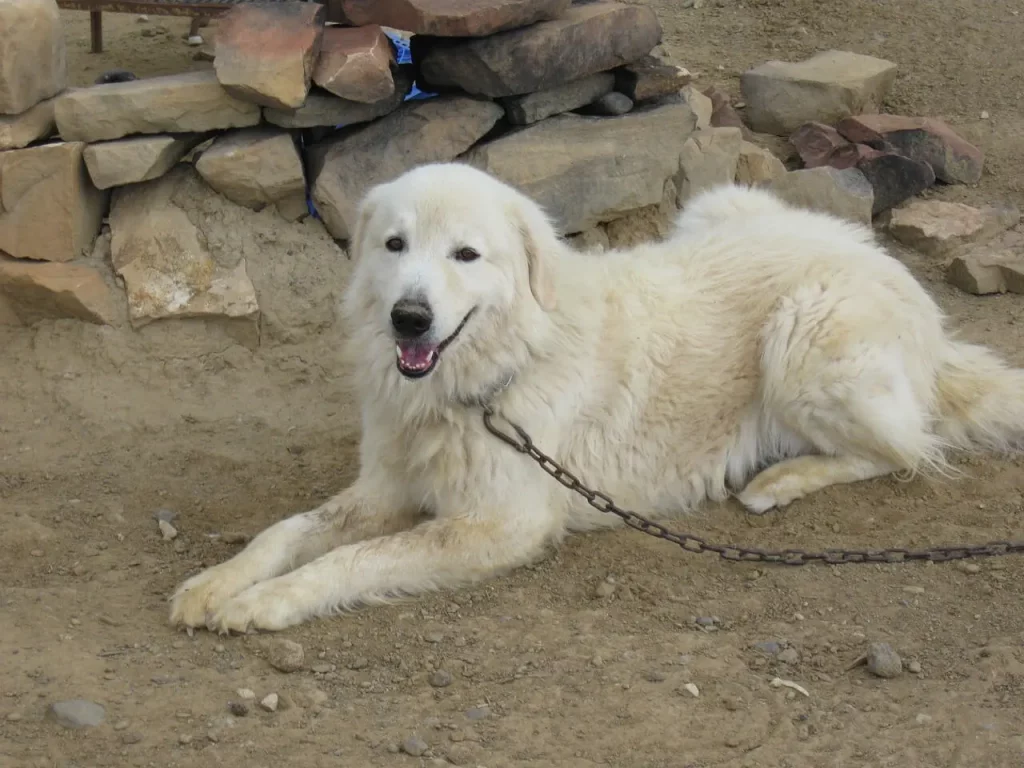
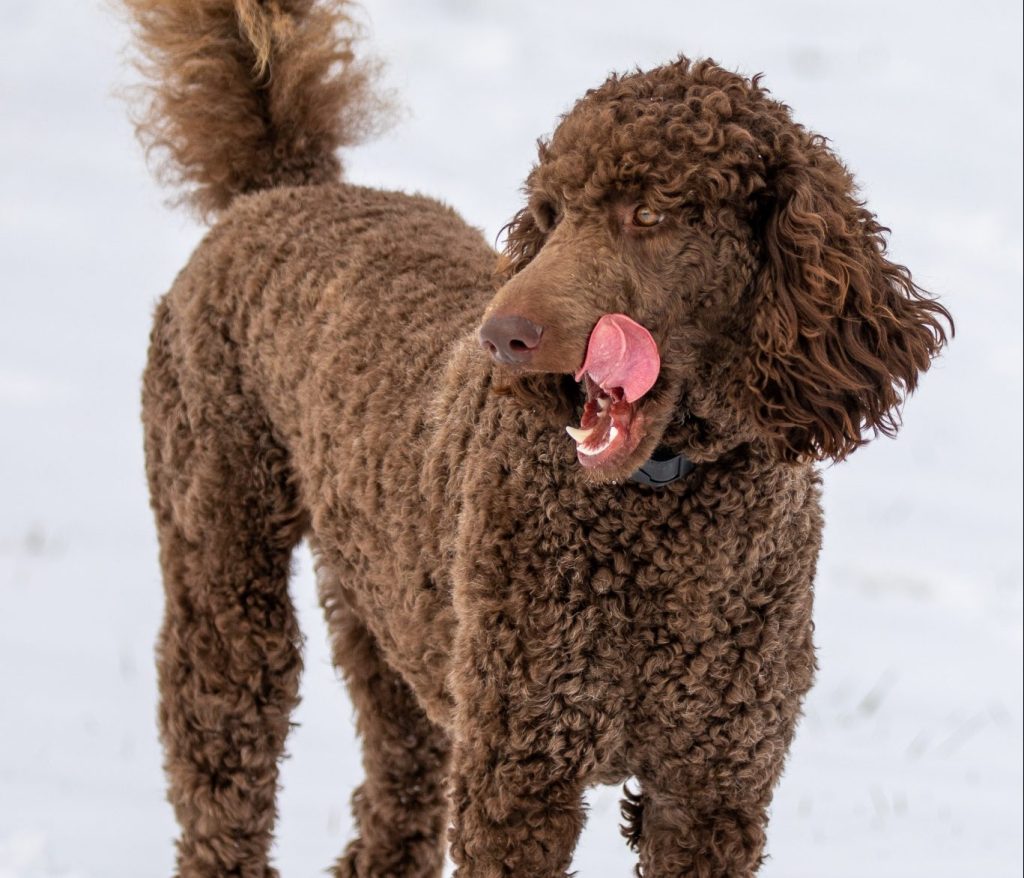
The Maroodle is a crossbreed between the mighty Maremma Sheepdog and the clever, curly Poodle. Designed with purpose, this hybrid draws on the Maremma’s guarding instincts and calm devotion, while borrowing the Poodle’s low-shedding coat and trainability.
The result is a hardy, loyal dog that thrives with active, attentive owners who understand large breeds.

Lifespan
11 to 14 years

Weight
25 to 40 kg

Height
55 to 70 cm

Grooming
Brush your Maroodle at least every other day.
Origins
The Maroodle is a modern hybrid, born from the union of two very different but equally impressive breeds: the Maremma Sheepdog and the Poodle. This cross was developed with the purpose of combining the Maremma’s strong guarding instinct and calm loyalty with the Poodle’s intelligence, hypoallergenic coat, and people-pleasing nature.
The Maroodle was likely first bred in Australia, where Maremmas are still widely used as livestock guardians, particularly in rural properties. The goal was to create a companion that maintains protective instincts but is more adaptable, allergy-friendly, and trainable than a full Maremma.
While still an uncommon cross, the Maroodle is gaining attention among families and rural households who want a steadfast guardian with a softer, more sociable edge.
Key Characteristics Of Maroodles
Are Maroodles Family-Friendly?
Maroodles are family-focused and form strong bonds with their humans. Like their Maremma parent, they may seem reserved around strangers, but with early socialisation, they can become well-mannered, even-tempered companions.
Common Health Issues & Considerations
Maroodles may suffer from:
Hip and Elbow Dysplasia
These joint conditions occur when the hip or elbow joints develop abnormally, leading to looseness, discomfort, and eventually arthritis. Symptoms may include stiffness, limping, or reluctance to move.
Gastric torsion (bloat)
This is a serious and potentially life-threatening condition where the stomach fills with gas and twists. It happens quickly and requires emergency treatment. Large, deep-chested dogs like the Maroodle are more prone.
Allergies or Skin Conditions
Some Maroodles—particularly those with curlier coats—may be prone to itchy skin, rashes, or food sensitivities.
Cancer Risk in Later Years
Like many large breeds, Maroodles may face an increased cancer risk as they age.
Nature / Temperament
Loyal, Calm, and Devoted.
Suitable Environment
Maroodles are not ideal for apartment living or owners seeking a low-maintenance dog. They thrive in rural or suburban properties with space to stretch their legs.
Other Considerations
- While full-blooded Maremmas were bred to guard flocks solo in remote fields, the Maroodle often dials that instinct back just enough to suit family life.
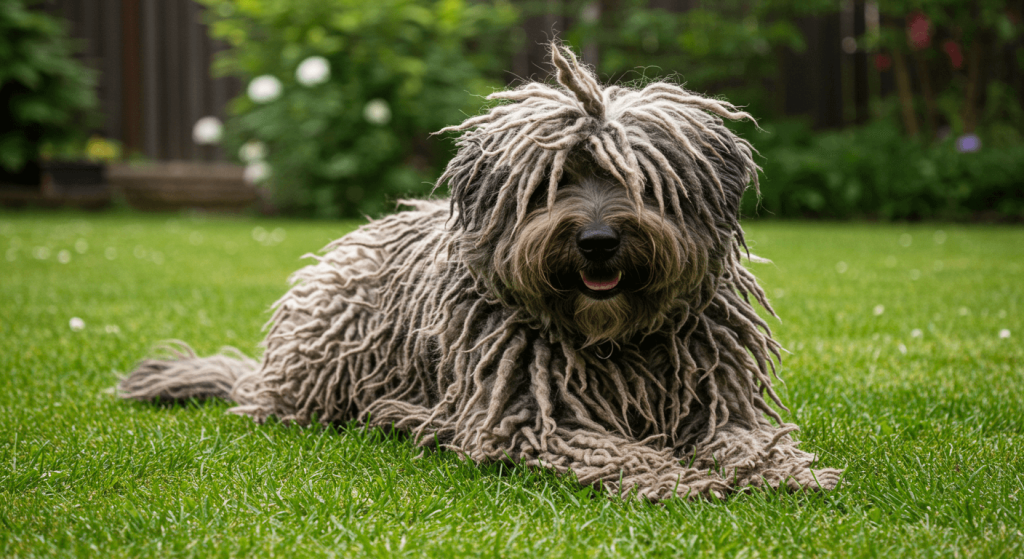
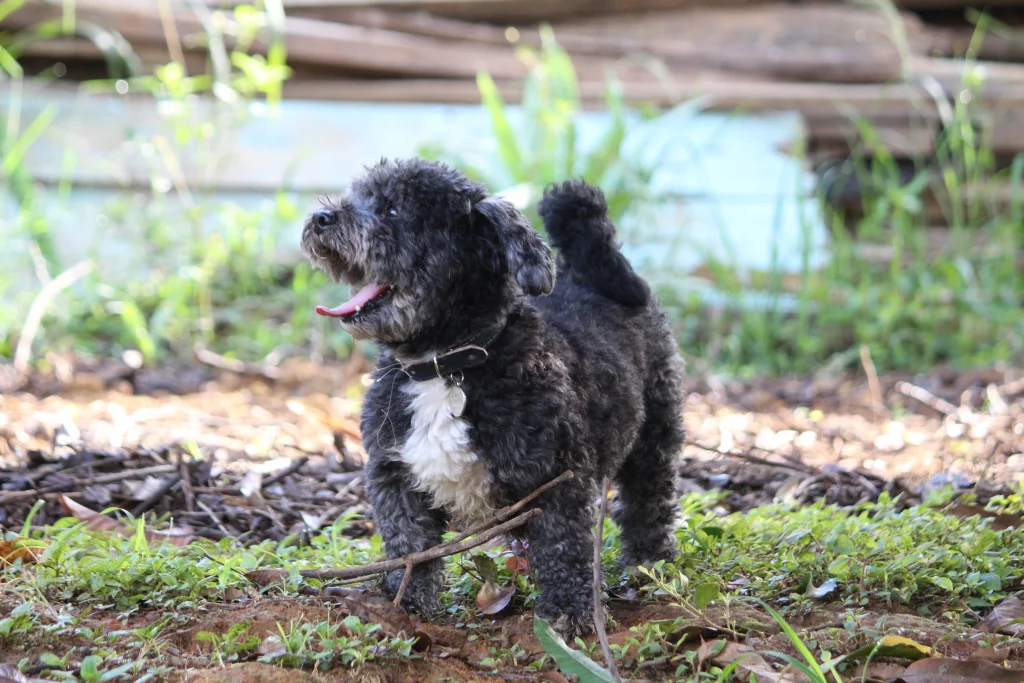
- Maroodles might inherit the plush, straight coat of a Maremma or the curly, low-shedding coat of a Poodle—or land somewhere in between.
- Thanks to their Poodle lineage, Maroodles are often clever dogs that enjoy puzzles and tasks.
How can I take good care of my Maroodle?
Nutrition
The Maroodle’s size and activity level call for a balanced, nutrient-dense diet. Choose a high-quality kibble or fresh food tailored to large or active breeds, with a solid protein source like lamb, chicken, or fish as the main ingredient. Look for formulas that support:
-
Joint health, with glucosamine and chondroitin
-
Skin and coat condition, especially for curlier coats
-
Steady growth in puppies, to avoid joint stress
Puppies should be fed 3–4 small meals a day until six months old, then moved to twice-daily adult portions. Always provide clean, fresh water, especially after exercise or in warm weather.
Avoid overfeeding. Maroodles can carry excess weight if under-exercised, which puts pressure on hips and elbows. Stick to feeding guidelines and limit treats to training rewards or healthy chews.
Grooming
Thanks to the Poodle influence, Maroodles often inherit a coat that’s easier to manage than a pure Maremma’s thick double coat.
Recommended Grooming Tips
Brush 2–3 times per week to prevent tangles and remove debris
Bathe only when needed, as overwashing can strip natural oils
Give them professional grooming every 6–10 weeks, depending on coat type
Exercise
This breed thrives on movement and purpose. A Maroodle that’s left idle will often turn to barking, digging, or pacing, so give them an outlet daily. Because of their livestock guardian ancestry, Maroodles often enjoy having a job—whether that’s watching the yard, accompanying you on hikes, or learning agility or advanced obedience tasks.
Avoid harsh physical activity while they’re still growing, as their joints are still developing. Shorter, controlled play is safer for puppies under 12 months.
Training
This breed mix does best with consistent, gentle training that rewards good behaviour. Start early with positive reinforcement techniques. Obedience classes can be helpful for first-time large breed owners. Mental games and tasks can also be good to keep their working brain engaged.
Their independent streak (thanks to their Maremma roots) can make them seem stubborn, but with patience and clear boundaries, Maroodles blossom into obedient companions.
This is general information and should not be relied on for adopting or purchasing advice.
Most Asked Maroodle Questions

No. They are protective but not dangerous. With proper training, they are loyal and calm.
They may bark to alert, especially if left alone for too long or bored. Daily exercise and interaction help reduce nuisance barking.
Prices vary based on breeder reputation, parent lineage, and coat type, but expect to pay anywhere from AUD $800 to $2,500 for a Maroodle for sale. Always choose a breeder who health-tests and follows ethical breeding standards.

Safe

Responsible

Accountable
Find your next pet with PetsForHomes - Australia’s number one free website to find a pet for sale or adoption.
Trusted & Viewed by over 1 Million Australians