What to Look for When Buying or Renting with Pets
Scouting for a new home isn’t just about location, polished listings, or what fits into your budget—especially when there’s a dog on your backseat or a cat curled up in your laundry basket.
If you pick the wrong place, you might end up dealing with shredded doorframes, stained carpets, or thin walls that spark drama with the neighbours. But if you find the right spot, your four-legged housemates stay calm, healthy, and settled—and you sleep a little easier.
Across Australia, where more than two-thirds of households count a pet as family, renters and buyers are lifting the bar. Developers are factoring in fur babies. Agents are fielding better questions. Landlords are softening once-hard lines.
This guide spells out the pet-proof red flags, green-light features, and practical questions to ask before you scribble your signature on the lease or title. Whether you’re hunting in the heart of Melbourne or scouring listings across the ACT, it pays to think like a pet before you sign anything.
Indoor Touches That Set the Tone for Pet Life
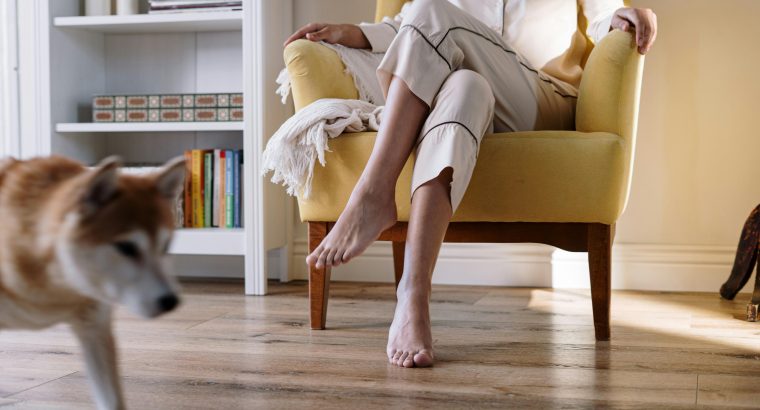
Walking into a property? Don’t just stand there picturing your lounge against the wall—try standing in your dog’s paws or your cat’s paws. Where will they stretch out, climb, hide, eat, and settle down when life gets noisy?
- Floors That Can Handle the Rough and Tumble
Glossy hardwoods might look great, but they scuff quicker than you’d think. Carpets? They swallow smells, trap fur, and soak up accidents like a sponge. Consider using vinyl plank, sealed tile, or high-quality laminate. These shrug off spills, handle claws, and make cleaning less of a chore. If you’re locked into your flooring, consider waterproof layers or tough rugs to save your surfaces.
- Open Layouts vs. Pet Zones
Open-plan spaces offer plenty of room for sprints and zoomies, but smart layouts include a way to shut a door when needed. Think: laundry with outside access for paw-cleaning, or a quiet nook where your pet can decompress while the world hums along.
- Sunlight, Fresh Air, and Windows That Do Both
Animals gravitate toward sunny patches and love a whiff of the outdoors. A well-placed window with secure screens can transform a room into a sensory playground. Bonus points if the breeze flows freely and safely.
- Clever Storage for Pet Chaos
Between leads, squeaky toys, grooming kits, and bags of food, pet supplies eat up more space than you’d guess. Built-in cupboards, window seats that hide clutter, or even a forgotten linen shelf can help keep the house from feeling like a kennel. An outdoor shed may also be useful for storing larger pet supplies.
- Noise, Walls, and the Neighbours Next Door
Dogs that bark at every sound—or cats that spook at every bump—need more than love. They need thick walls, fewer shared hallways, and fewer jarring echoes. Ask the agent about other pets in the building or whether past tenants had complaints filed over noise. Some properties just don’t suit nervous pets, and that’s worth knowing upfront.
Outdoor Essentials for Pet Safety and Freedom
A backyard can be paradise—or a problem. Don’t assume any outdoor area is good enough. Give it the same scrutiny you would if a toddler were roaming free.
- Secure Fencing
Check the height, gaps, and stability. Can a small dog slip through? Could a big one jump over? Are there weak spots behind sheds or under gates? If fencing isn’t up to scratch, factor in the cost of upgrades. - Safe Landscaping
Some popular plants—like lilies, azaleas, and sago palms—can poison pets. Check for these hazards, along with prickly shrubs, sharp gravel, or open compost piles. Mulch made from cocoa shells? Skip it—chocolate isn’t just bad for dogs, it can be deadly. - Shade and Shelter
A backyard with no trees or covered areas can turn dangerous fast during an Aussie summer. Look for pergolas, verandas, or mature trees that offer protection from sun and rain. - Size and Layout
It’s not just about space—it’s about usable space. A sloped yard may be harder for older pets to navigate. Large patios might look good in photos, but if there’s no grass or soft ground, your dog may have nowhere to dig, roll, or stretch out. - Easy Access from Indoors
Sliding doors or doggy flaps leading to the yard can save your sanity. Bonus if there’s a laundry or utility room near the exit—perfect for drying paws or wiping down after a muddy romp.
Renting with Pets—Questions to Ask and Rights to Know
For renters, finding a pet-friendly property isn’t always easy—but it’s getting better. With more renters now owning pets, especially dogs and cats, landlords and property managers are adapting. Still, you’ll want to be clear on the details before signing the lease.
- Is It Really Pet-Friendly?
Just because the ad says “pets considered” doesn’t mean the landlord is on board. Always ask:
- What kind of pets are allowed?
- Is there a limit on size, number, or breed?
- Are there rules around outdoor access or indoor areas?
- Put It in Writing
If the landlord agrees, make sure the lease reflects it. Include pet clauses that clarify responsibilities—like cleaning, damage repair, or neighbour complaints. A clear agreement protects both sides. - Provide a Pet Resume
Yes, really. Include your pet’s photo, vaccination history, training certificates, and references from past landlords. Showing you’re a responsible owner can tip the scales in your favour. - Understand Your Rights
In some states—like Victoria—landlords can’t unreasonably refuse pets. In others, they still can. Know the tenancy laws in your area so you don’t end up in a battle or on the back foot. - Be a Good Neighbour
Even in pet-friendly rentals, issues with barking, smells, or mess can trigger complaints. A polite introduction to neighbours (with or without treats) goes a long way, especially in units or townhouses.
Buying a Home with Pets in Mind—Thinking Long-Term
Buying gives you more freedom—but also more responsibility. You won’t need a landlord’s permission, but you will need to think a few steps ahead. Pets age, families grow, and routines shift.
- Consider the Local Council Rules
Different councils have different laws around how many pets you can keep, off-leash areas, noise complaints, and fencing. Before making an offer, check the local bylaws—especially if you breed animals or keep more than one or two. - Look at the Neighbourhood Through Your Pet’s Eyes
Is there a vet nearby? A decent dog park? Safe footpaths for daily walks? Are there off-leash beaches or bush tracks within reach? A great house won’t matter much if your dog spends all day restless and cooped up. - Street Layout and Traffic
Quiet cul-de-sacs beat main roads for dog owners. If your pet escapes, a low-traffic area gives you more time to get them back safely. Look for speed bumps, pedestrian crossings, and local kids playing—signs of a slower, pet-friendlier pace. - Think About Age and Accessibility
If your dog is older, will they struggle with stairs? Is there smooth access to the yard? Planning for your pet’s future comfort saves you stress (and back pain) later. - Factor Pets into Renovation Plans
If you’re planning to extend or renovate, include pet features from the start—like built-in feeding stations, dog wash areas in the laundry, or custom nooks for beds and crates.
Final Thoughts and a Pet-Friendly Home Checklist
Living with pets should feel effortless—not like a daily battle with your house. A pet-friendly home isn’t just about square footage or a patch of grass. It’s about spaces that match your pet’s needs and support the life you share.
Whether you rent a one-bedroom in the city or own a quarter-acre block in the suburbs, small details matter. Shade in the yard. Durable flooring. Room to stretch and snooze. Safe access to the outside world. If your home works for your pet, chances are it’ll work better for you too.
Here’s a quick checklist to bring on your next inspection:
🏠 Pet-Friendly Home Inspection Checklist
Indoors
- Scratch-resistant flooring
- Natural light and airflow
- Closeable zones or pet gates
- Storage for pet supplies
- Quiet location with low noise transfer
Outdoors
- Fully secure fencing
- Shade and shelter
- Pet-safe plants and ground cover
- Grass or soft areas for play
- Direct access from indoors
If Renting
- Written pet approval in lease
- Pet policies or restrictions clarified
- Positive references or a pet resume ready
- Understanding of tenancy laws in your state
If Buying
- Local council pet rules checked
- Nearby parks, vets, and off-leash zones
- Traffic levels on surrounding streets
- Accessibility for senior pets
- Future renovation ideas with pets in mind
In the end, finding the right home is about balance—between what you love and what your pet needs. Get that right, and you’ll both feel right at home.
Related posts:




You must be logged in to post a comment.
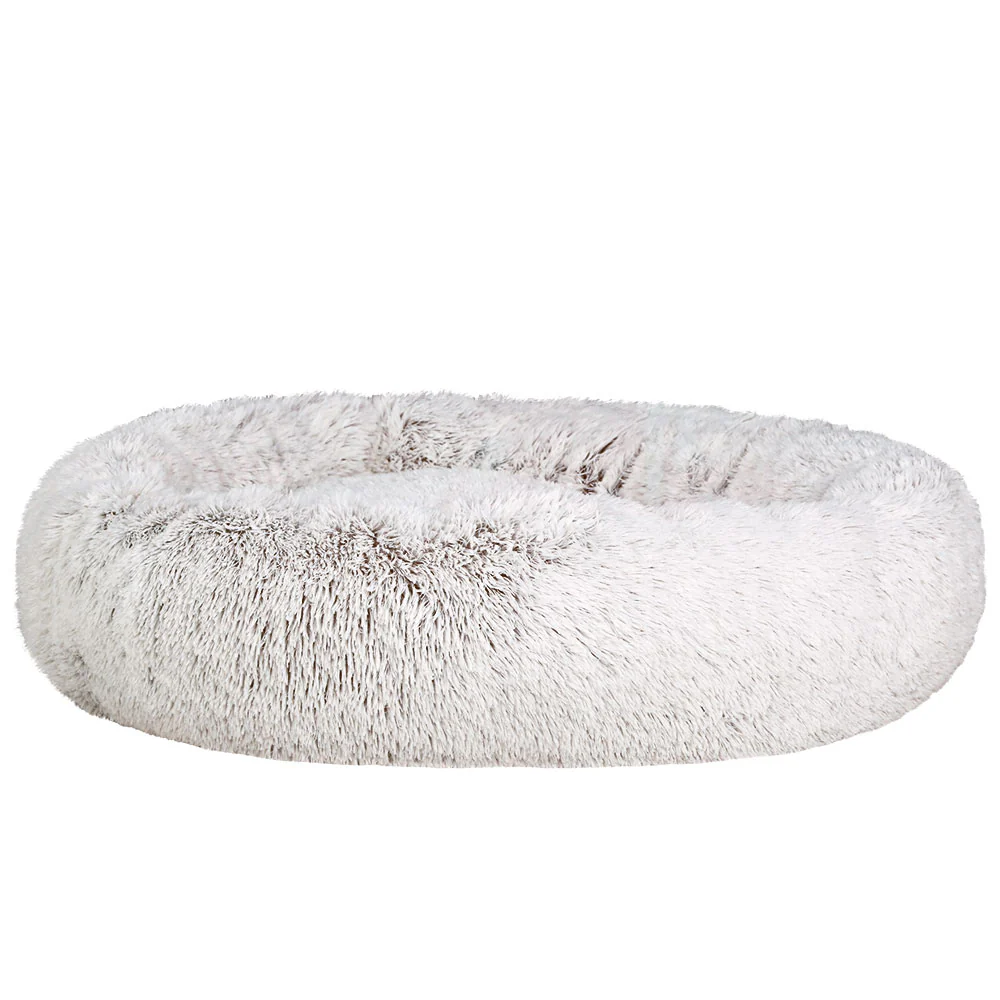

Dachshund Pet Stairs
$135.99 AUD
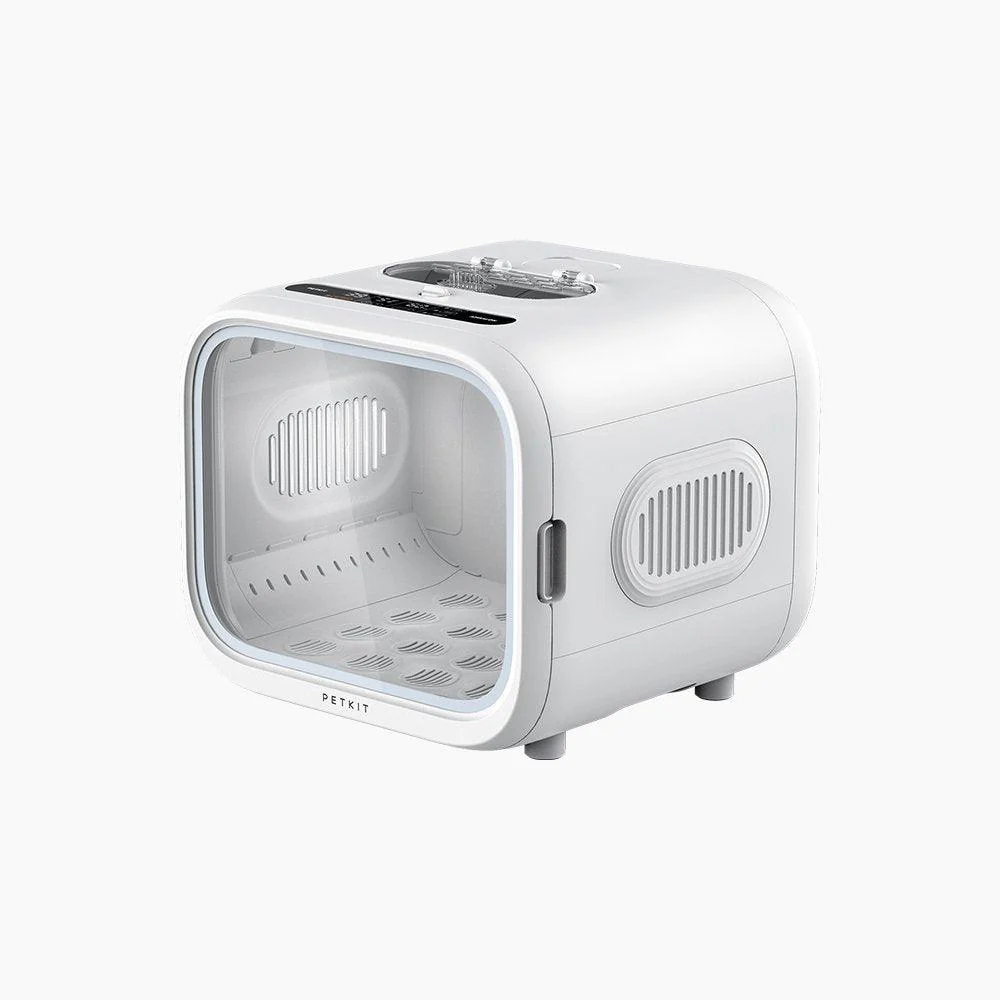
PETKIT AIRSALON Smart Pet Dryer Box
$622.99 AUD
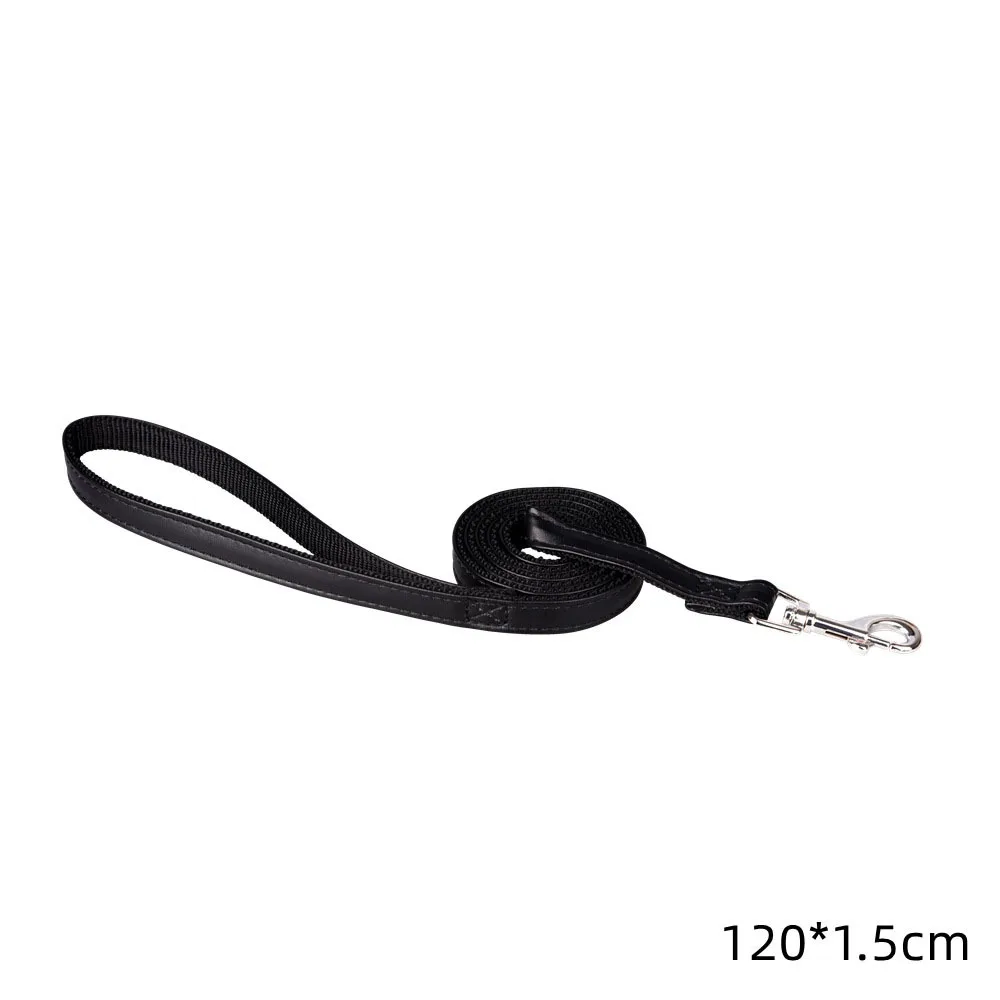
Premium Dog Training Leasg
$29.99 AUD
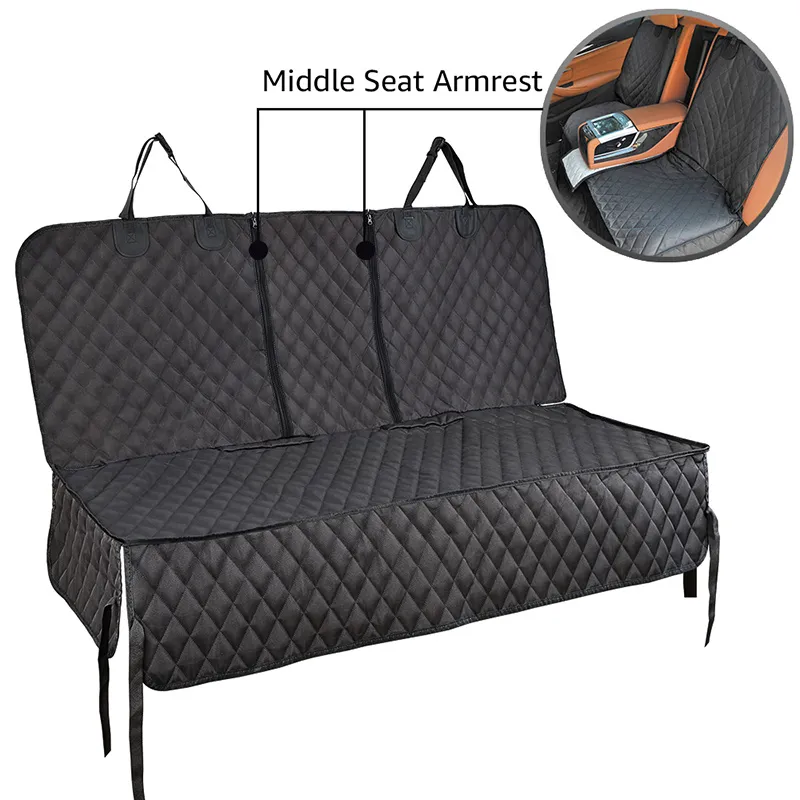
Argyle Dog Car Seat Cover
$87.99 AUD
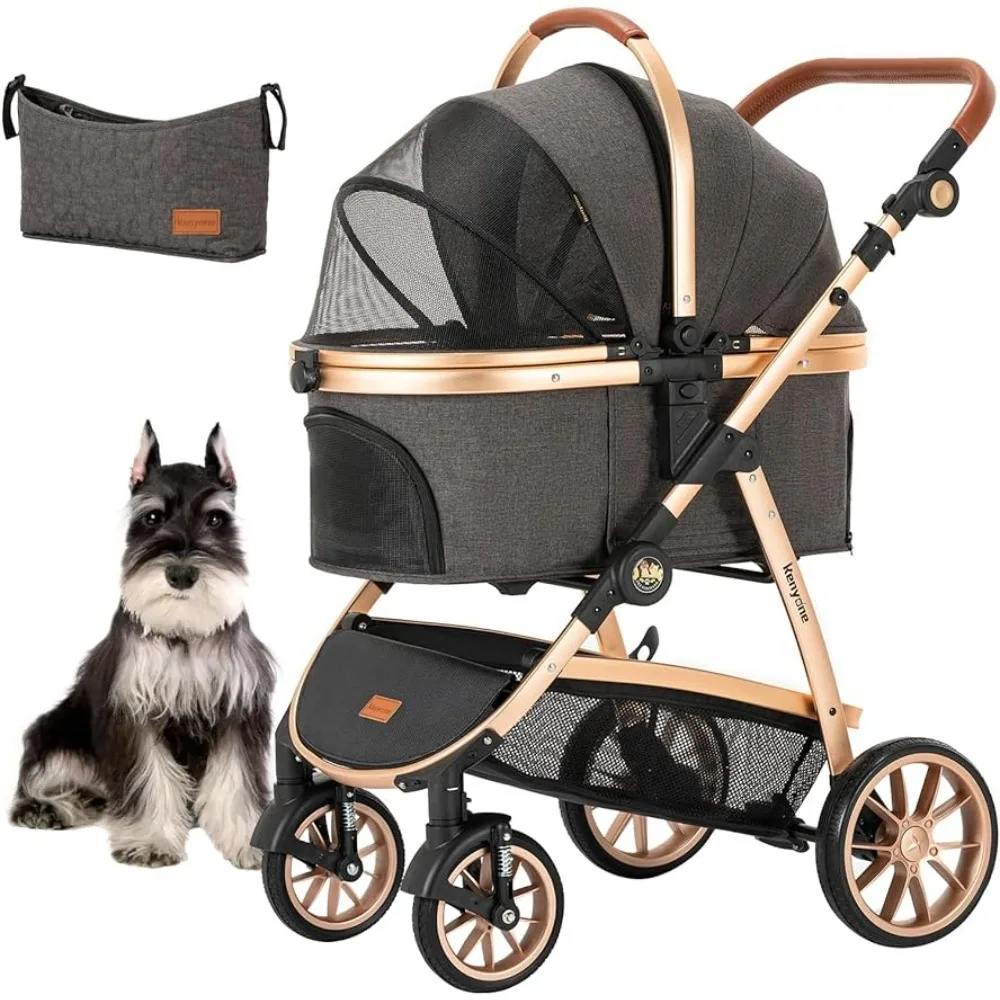
Durable Pet Carrier
$536.99 AUD