Top 5 Mistakes You’re Making With Your Golden Retriever
Quick Answer:
Golden Retrievers might be friendly and eager to please, but even the best-intentioned owners can make simple mistakes that affect their training and behaviour long-term. Delaying training, repeating commands, skipping leash work, relying too much on physical exercise, or comparing your pup to others can all lead to confusion, frustration, or bad habits.
Top 5 Mistakes You’re Making With Your Golden Retriever
So you’ve welcomed a Golden Retriever into your home. You’ve probably already fallen for the big brown eyes, the thumping tail, and the way they try to “help” with absolutely everything. It’s easy to see why this breed sits high on the popularity ladder. They’re loving, switched-on, and always game for a cuddle or a walk.
But even with all that charm, things can go sideways faster than you’d think. The most common issues we see with Golden Retrievers usually don’t come from bad intentions, they come from small oversights that pile up before anyone notices. The good news? These stumbles are fixable, often with just a few tweaks.
This guide covers five of the biggest mistakes new Golden Retriever owners make, and how to patch them up before they snowball into bigger problems. Whether your puppy’s still chewing through shoes or your adult dog has picked up habits you’re not thrilled about, it’s never too late to turn things around.
Mistake #1: Waiting Too Long to Start Training
It’s tempting to let the puppy settle in, let them “just be a puppy” for a few weeks, then worry about training. But by the time you’ve waited, your pup has already started learning all kinds of patterns. Trouble is, most of them weren’t planned.
Golden Retrievers soak things up like a sponge in a puddle. If they learn that barking gets attention, or that pulling on the lead gets them closer to something fun, they’ll keep doing it. What you don’t teach, they’ll often make up on their own.
That’s why the training needs to begin the day they pad through the door. Not with fancy tricks or military drills, but with basic stuff. Getting used to their name. Learning where they sleep. Picking up on a routine for food and toilet breaks.
You don’t need a binder full of lesson plans. What helps is a simple month-by-month training structure. For an 8-week-old pup, that might mean crate practice, sitting for food, and coming when called. By four months, you’re layering on leash walking and more reliable recall.
The earlier the groundwork is set, the easier everything else becomes.
Mistake #2: Saying It Twice (or More)
“Sit… sit… siiiit… come on, sit.”
Sound familiar? If you’ve caught yourself saying commands on loop like a broken record, you’re not alone. It’s something nearly every owner does without thinking. But it sends the wrong message.
When you repeat a cue over and over, your dog learns that the first few times don’t count. You might as well be speaking a different language until you hit the fourth or fifth try. Over time, they tune you out until your tone shifts or the bribe comes out.
Golden Retrievers are people-pleasers, yes, but they still need clarity. Use one word, say it once, and then wait. Give them a chance to puzzle it out. Eye contact helps. So does using the same voice each time. If they get it right, great. Reward the heck out of it. If not, reset and try again rather than repeating the cue like you’re casting a spell.
You’re building habits. And habits stick better when they’re sharp, simple, and consistent.
Mistake #3: Skipping Leash and Routine Training Early On
It’s easy to put off leash work when your pup’s small enough to carry or follows you around like a shadow. But the moment those legs grow and curiosity kicks in, you’ll wish you’d started sooner.
The leash shouldn’t be a sudden surprise at four or five months old. Golden Retrievers need to feel like the leash is part of normal life, and not a battle rope to chew or a punishment to avoid. Start indoors, even if it’s just a few minutes a day. Let them drag it gently behind them. Let it become background noise, something that doesn’t spark drama.
While you’re at it, lay down the bones of a daily rhythm. Goldens crave structure more than they let on. Predictable routines like the same time for meals, potty breaks, or naps gives them a sense of control over their world. That calm confidence spills over into other areas of their behaviour. You’ll get fewer accidents, less fuss at bedtime, and a dog that doesn’t panic when the schedule shifts.
It doesn’t have to be strict, but it does need to be steady. Chaos creates stress. Routine builds trust.
Mistake #4: Only Using Exercise to “Wear Them Out”
This one might ruffle a few feathers, because we’re always told that a tired dog is a good dog. And with Golden Retrievers, physical movement is absolutely part of the picture. Walks. Fetch. Swimming. Chasing leaves in the wind. It’s all good stuff.
But here’s the twist: relying only on physical activity is like feeding one side of a two-headed beast. You end up with a dog that’s fit as a fiddle but still causing trouble, because their brain hasn’t had anything to chew on.
Goldens were built to do work, to retrieve, to carry, to follow commands in fields and forests. That work ethic hasn’t faded. If you skip the mental stimulation, they’ll start inventing jobs. Barking out the window. Digging up the yard. Herding the kids.
So give their brain something to latch onto. Trick training. Hide-and-seek. Puzzle toys. Scatter feeding. Even asking them to hold a sit while the doorbell rings. The key is to engage, not just exhaust.
Fetch, by the way, is a great two-for-one deal. It channels their natural retrieve instinct, gets them running, and gives you the chance to sneak in training around waiting, releasing, and returning.
Mistake #5: Measuring Your Puppy Against Everyone Else’s
You’ve probably done it. Scrolled through videos of other Golden Retrievers doing perfect heelwork, retrieving slippers, or snoozing peacefully next to toddlers. You’ve probably wondered why yours is currently chewing through the sofa leg like it’s made of beef jerky.
Comparisons sneak in easily. Maybe your neighbour’s pup sleeps through the night already. Maybe your friend’s dog “never barks.” But here’s the thing: dogs grow at their own pace. Even two littermates raised side-by-side can develop in wildly different ways.
Golden Retrievers, for all their charm, are still individuals. Some figure out toilet training in a flash. Others get there in slow, uncertain steps. Some pick up commands quickly but take longer to stop mouthing hands or jumping on guests.
That doesn’t mean you’re behind. It doesn’t mean they’re stubborn. It just means their brain is taking a slightly different path to the same goal.
Stick to your routine. Keep showing up. Praise progress, even the tiny bits that feel forgettable in the moment. Every calm sit, every successful recall, every gentle chew on the right toy adds up.
Training isn’t a race. Think of it more like planting a garden. Some things grow overnight, others take a season to show their colours.
What to Try Instead
So you’ve ticked off one (or maybe all) of the mistakes above. That’s okay. You’re in good company. What matters now is what you do next.
Here are a few swaps that can work wonders:
- Start with calm: Reward your dog when they’re quiet, settled, or waiting patiently. It teaches them that peace wins prizes.
- Use clicker training or a clear marker word: It tells your pup exactly when they’ve done something worth repeating. It’s like snapping a photo of the good behaviour.
- Rotate toys: Don’t leave all the fun stuff out at once. Swap them out every few days to keep things fresh and exciting.
- Make grooming part of life early: Goldens need brushing, nail care, and regular ear checks. Start now, in short spurts, while they’re still curious and wiggly.
- Build a schedule that fits you: Don’t aim for perfect. Aim for consistent. Even 10 minutes a day of focused training makes a difference.
Wrapping Up
Golden Retrievers aren’t difficult dogs. But they do come with a big heart, a strong will, and more curiosity than sense when they’re young.
They thrive when you give them something to look forward to, someone to follow, and a few clear rules to lean on. They’re not looking for perfection—they’re looking for you to show them what works and what doesn’t.
Related posts:



You must be logged in to post a comment.


Dachshund Pet Stairs
$135.99 AUD

PETKIT AIRSALON Smart Pet Dryer Box
$622.99 AUD
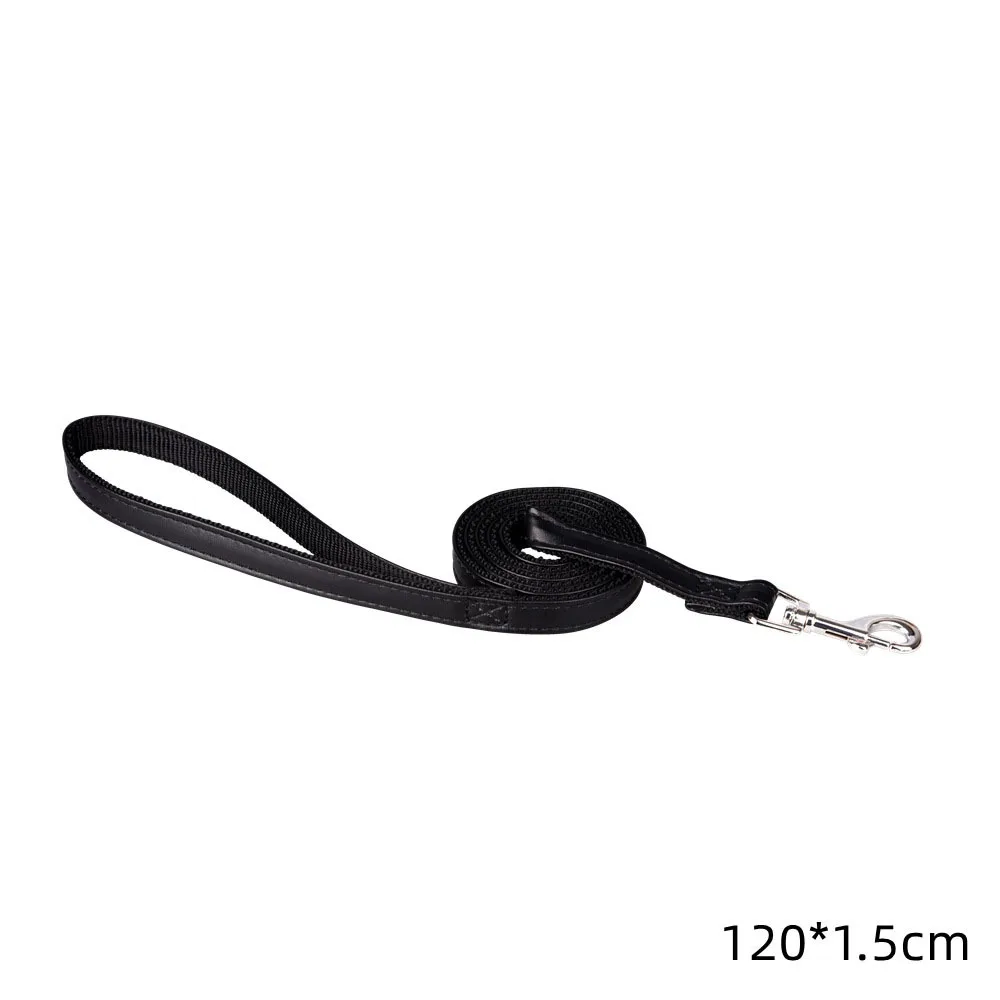
Premium Dog Training Leasg
$29.99 AUD

Argyle Dog Car Seat Cover
$87.99 AUD
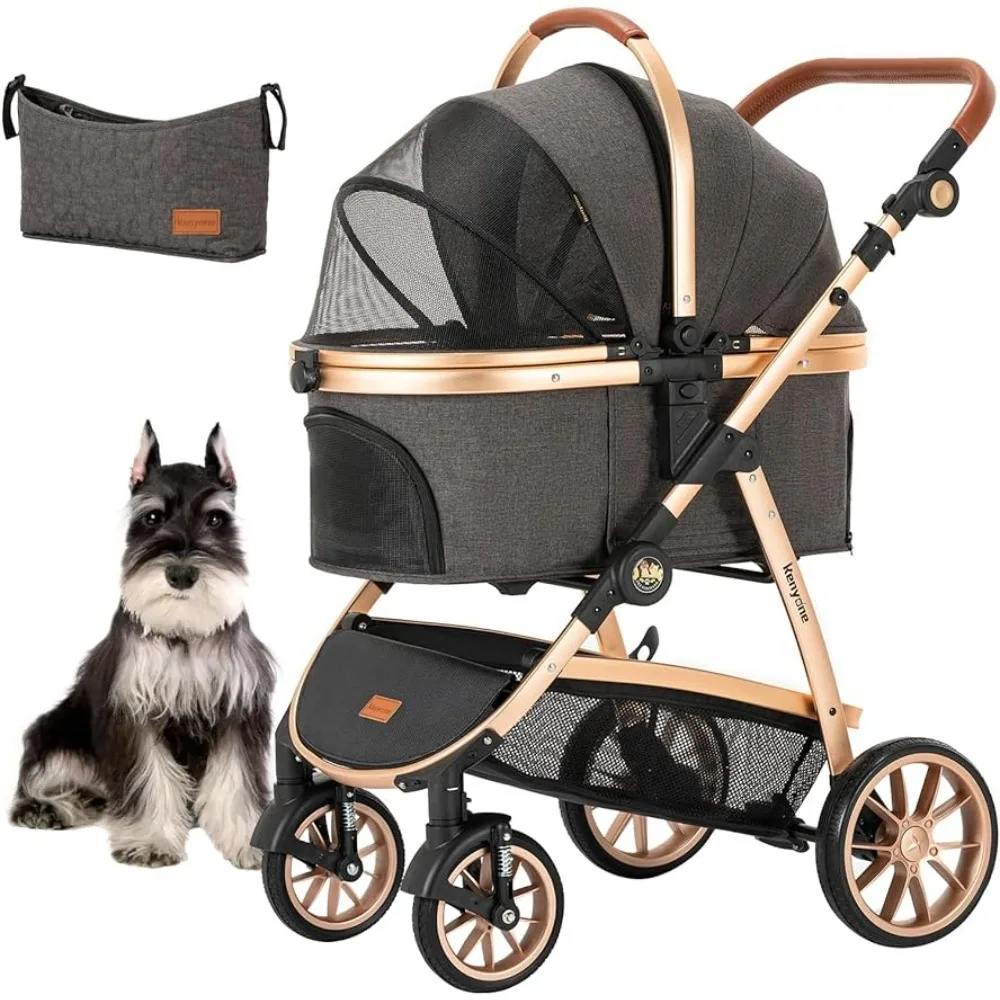
Durable Pet Carrier
$536.99 AUD