Search over 1 Australian Cobberdog dog across Australia
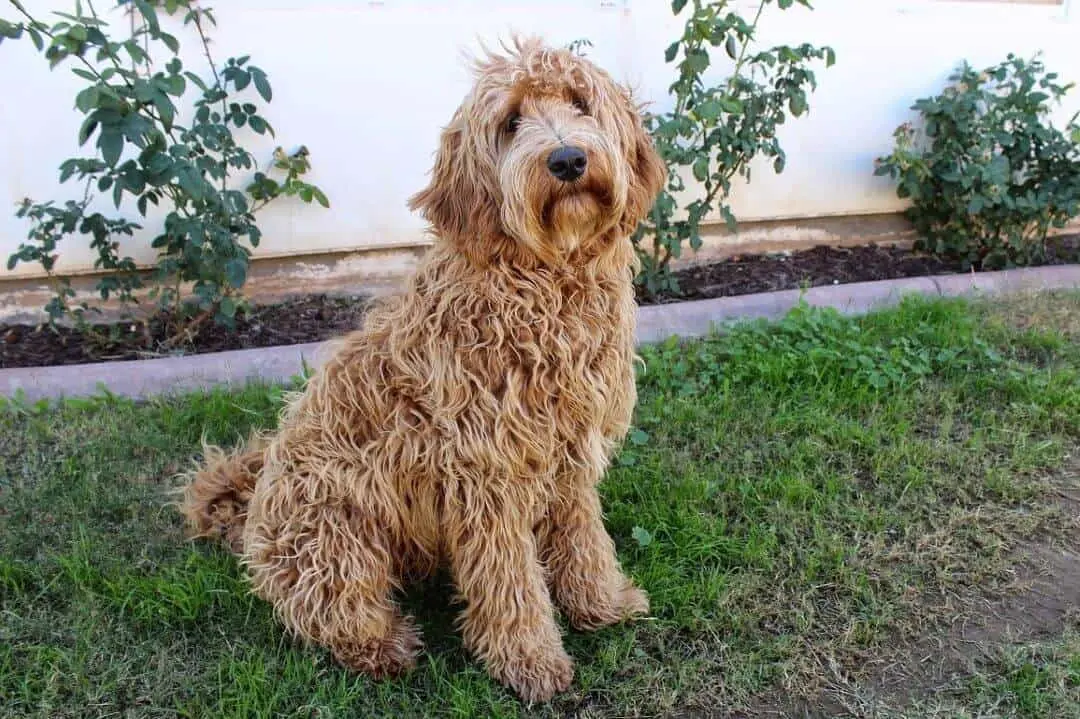
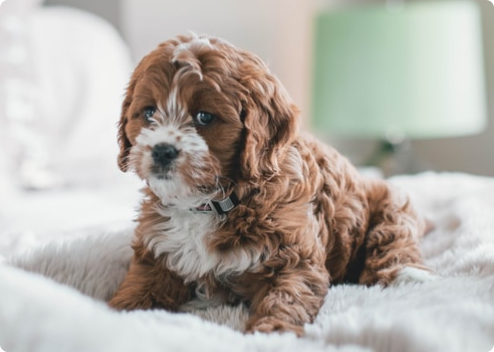
The Australian Cobberdog is your shadow, your snuggle buddy, and your personal cheerleader wrapped in a soft, fleece-textured package. They’re warm-hearted, keen to interact, and brilliant with kids.
Social by nature, these dogs carry none of the aloofness or reactivity found in other breeds. Their personality feels like sunshine in dog form.
Expect a Cobberdog puppy to follow you room to room, press their head into your lap when you’re feeling flat, and wag like mad at the sound of your voice.
Filter 
Search

Breed
Location

Price Range
Breed Characteristics
Grooming


Exercise
Size Range

Recently Posted
View More
Find Australian Cobberdogs
For Sale
1 Result
Australia's No. 1 Free Pets Classified
The Australian Cobberdog is your shadow, your snuggle buddy, and your personal cheerleader wrapped in a soft, fleece-textured package. They’re warm-hearted, keen to interact, and brilliant with kids.
Social by nature, these dogs carry none of the aloofness or reactivity found in other breeds. Their personality feels like sunshine in dog form.
Expect a Cobberdog puppy to follow you room to room, press their head into your lap when you’re feeling flat, and wag like mad at the sound of your voice.

 Questions To Ask A Breeder
- Are you are registered breeder?
- Can we meet in person?
- Have they been socialised?

Breed Characteristics
Grooming
Exercise
Size Range
The Ultimate Australian Cobberdog Guide
About Australian Cobberdog
Lovingly crafted in Australia as a therapy and companion breed, the Australian Cobberdog is cheerful, intuitive, and endlessly affectionate. With their expressive eyes, shaggy curls, and an almost uncanny knack for knowing how you’re feeling, these dogs are bred to connect.
They thrive on human contact, live to please, and do best in households where they’re part of the furniture (and probably sleeping on it, too).
While their Labradoodle cousins made waves as crossbreed dogs, the Cobberdog was purpose-bred with steadier temperament and allergy-friendly coats in mind, making them especially popular with families and individuals who want a gentle, emotionally intelligent sidekick.

Lifespan
13 to 15 years

Weight
10 to 30 kg

Height
35 to 61 cm

Grooming
Brush at least three times a week.
Origins
Unlike accidental designer crossbreeds, the Australian Cobberdog was bred with care and intent. In the 1990s, Australian breeders took the Labradoodle and refined it across generations, focusing on predictability in temperament, coat type, and trainability.
The goal? Create a therapy-grade dog with a calm presence, minimal shedding, and emotional intelligence. The result was the Cobberdog (“Cobber” being Aussie slang for mate or friend) and the name fits perfectly.
These dogs are now recognised under a developing breed registry and continue to grow in popularity as versatile family dogs, support animals, and loyal mates to both kids and adults.
Key Characteristics Of Australian Cobberdogs
Are Australian Cobberdogs Family-Friendly?
Without question. These dogs were built for family life. They’re gentle, tolerant, and respond beautifully to children, even the noisy, toy-stealing kind.
Common Health Issues & Considerations
Australian Cobberdogs may suffer from:
Hip Dysplasia
This is a common joint condition where the hip socket doesn’t form properly, leading to discomfort, limping, or arthritis over time. Responsible breeders screen for this and provide hip scores for both parents before breeding.
Progressive Retinal Atrophy (PRA)
A hereditary eye disease that gradually causes vision loss and can lead to blindness. Genetic testing helps reduce the risk — always ask breeders for proof of PRA screening.
Allergies and Skin Sensitivities
Some Cobberdogs may develop sensitivities to certain foods, grass, or grooming products. Symptoms include itching, ear infections, or patchy fur. A balanced diet and vet-recommended skin care can help manage flare-ups.
Nature / Temperament
Gentle, Intuitive, and Affectionate
Suitable Environment
Australian Cobberdog puppies thrive in family homes, apartments with access to daily walks, and anywhere they can stay close to their people. Loneliness doesn’t suit them.
Other Considerations
- Hypoallergenic coat options (fleece and wool textures).
- Often used in therapy or support roles.
- Love to learn, which makes them ideal for trick training or agility.
How can I take good care of my Australian Cobberdog?
Nutrition
Australian Cobberdog pups may look like teddy bears, but they grow fast and play hard. That means they need a diet that fuels their energy without packing on extra kilos.
Choose a high-quality dry food with real meat — chicken, lamb, or fish — listed up top. If you’re a fan of fresh or raw feeding, make sure the meals are balanced with muscle meat, offal, calcium (like crushed eggshells or bone meal), and a variety of dog-safe veg. These pups burn through calories, especially in their early months, so feed them little and often until they settle into a grown-up routine.
As with any breed, avoid feeding them scraps from the table — what smells like heaven to them might lead to upset tummies or worse.
Grooming
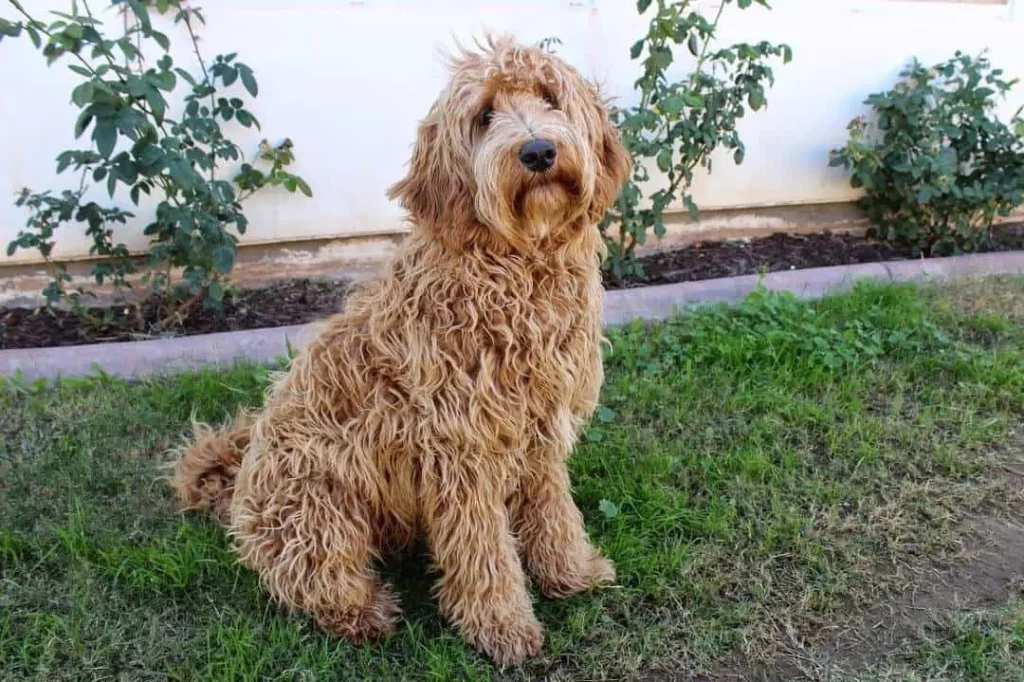
The Cobberdog’s coat is one of its standout features — soft, curly, and allergy-friendly. But that fancy fleece doesn’t maintain itself.
Start brushing your Cobberdog pup from day one so they grow used to the fuss. A slicker brush and a comb with rotating teeth will help work through tangles before they become full-blown knots. Aim for a solid brushing session at least three times a week.
While they don’t shed like other dogs, they still need regular trims — every six to eight weeks — to keep their coat manageable and mat-free. Clean their ears often (floppy ears trap moisture), and keep an eye on nail length. If you hear clicking on hard floors, it’s time for a clip.
Recommended Grooming Tips
Use a slicker brush followed by a comb with rotating teeth to reach the undercoat and prevent hidden matting. Start at the skin and work your way out — those dense curls can hide knots that turn into painful mats if ignored.
Even though Cobberdogs don’t shed like other breeds, their coat keeps growing. Regular trims help avoid tangles, reduce overheating, and keep their fleece soft and tangle-free.
Their floppy ears look adorable but can trap moisture, leading to infections. Use a gentle, dog-safe ear cleaner weekly and dry their ears thoroughly after baths or swimming.
Exercise
Cobberdogs aren’t couch potatoes, but they’re not high-octane chaos gremlins either. A daily walk, backyard games of fetch, and a few rounds of puzzle toys will satisfy both body and brain.
They’re keen to please and love having a job — even if that job is carrying a ball around like it’s made of gold. Keep them stimulated with scent work, obedience games, or light agility once they’re old enough.
Training
This is where the Cobberdog shines. With a gentle voice and consistent guidance, these pups soak up training like sponges.
Use positive reinforcement: treats, praise, and a bit of fuss go a long way. They’ll quickly pick up basics like sit, stay, and come — and with their therapy dog roots, they’re naturals at reading body language and adjusting their behaviour.
Start socialising early. Take them to markets, playgrounds, and anywhere they can meet people and friendly dogs. The more sights, smells, and sounds they get used to, the more balanced they’ll be as adults.
This is general information and should not be relied on for adopting or purchasing advice.
Most Asked Australian Cobberdog Questions

Many Cobberdogs have coats that produce less dander and shed far less than other breeds, making them a popular pick for allergy-prone households. But there’s no such thing as a truly hypoallergenic dog — it depends on the individual. If allergies are a concern, spend time with a Cobberdog first to see how you react.
They’re not yappy by nature, but they will speak up if bored or left out of the action. Regular exercise and mental stimulation keep their vocal cords in check. If you’re after a dog that sounds the alarm when the postie arrives but settles quickly after, the Cobberdog hits the mark.
Yes — they’re practically built for it. Their gentle nature and steady temperament make them ideal for families with kids, cats, or even other dogs. Just remember: early socialisation and respectful handling go both ways. Don’t leave toddlers unsupervised and expect the dog to be a saint.
A backyard is a bonus, not a requirement. What matters more is daily enrichment. Cobberdogs living in apartments do well when they get consistent outings, training time, and cuddles. They’re more concerned about being near you than having space to run laps solo.
Australian Cobberdogs from responsible breeders tend to cost between AUD $3000 and $6000, depending on lineage, coat type, and breeder reputation. Make sure the breeder provides health testing, early socialisation, and detailed info about the parents’ temperament.

Safe

Responsible

Accountable
Find your next pet with PetsForHomes - Australia’s number one free website to find a pet for sale or adoption.
Trusted & Viewed by over 1 Million Australians