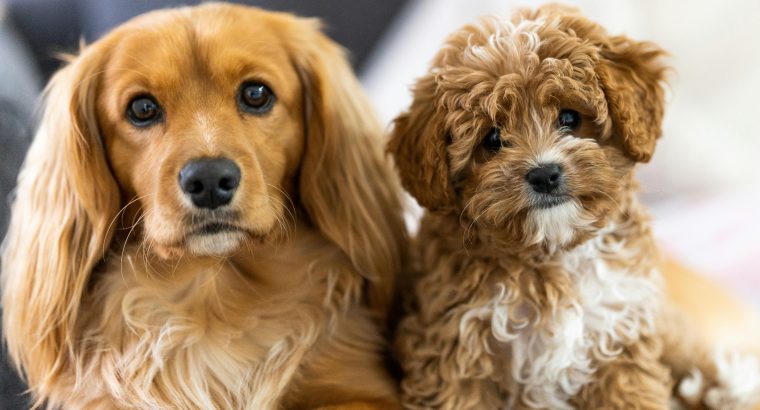
Popular Dog Breeds for Sale in Australia
Australia is a country of dog lovers; in fact, there are millions of pet dogs across the country, with millions of households welcoming these furry companions into their lives. From those who need an active playmate for outdoor adventures to others in search of a calm, affectionate family member or small, low-maintenance pooch for apartment living, knowing the most popular dog breeds for sale in Australia can help guide you into finding your next pet. This is the ultimate list of dog breeds that are most wanted by Australian families.
Labrador Retriever
History
The Labrador Retriever originated from Newfoundland, Canada in the 1800s when they were bred to assist fishermen in retrieving nets and catch. The breed was further established in England, and has since become one of the world’s favourite family dogs.
Temperament
Labradors are friendly, outgoing and gentle. They are very tolerant with children, making them one of the best family companion animals. They’re incredibly intelligent with a “want to please” attitude, making training easier. They’re also known for their levels of playful energy into adulthood.
Care Tips
- Exercise: 1-2 hours a day of exercise from walking, swimming, playing
- Grooming: Once a week for brushing plus more during shedding/seasonal coats
- Training: Early positive reinforcement; easy to train with obedience
- Health: Overweight monitoring is crucial; vet checks for hip and elbow dysplasia
- Diet: High-quality food for limited portions to avoid gluttony
- Living space: Suitable for many places, but must have enough space to roam
Golden Retriever
History
The Golden Retriever was developed in mid-19th century Scotland by Lord Tweedmouth for the purpose of retrieving waterfowl while hunting. The breed consists of the Yellow Retriever, now extinct, and the Tweed Water Spaniel.
Temperament
Golden Retrievers have unparalleled intelligence, and are incredibly loyal and gentle dogs. They are also widely regarded as very forgiving and sensitive, especially around young kids. Golden Retrievers are also inherently friendly, which doesn’t make them great as guard dogs, but makes them amazing as family pets. Their eagerness to please and high intelligence make them popular choices for therapy and service work.
Care Tips
- Exercise: Need at least 1-2 hours of daily activity including walks, fetch, and swimming
- Grooming: Daily brushing recommended due to their long, dense coat; professional grooming every 6-8 weeks
- Training: Highly trainable and responsive to positive reinforcement methods
- Health: Regular screening for hip dysplasia, eye conditions, and heart issues
- Diet: Quality nutrition with appropriate portion control
- Living Space: Best suited to homes with yards, though adaptable with sufficient exercise
French Bulldog
History
Despite their name, French Bulldogs originated in England as smaller versions of the English Bulldog. However, when lace workers left for France during the Industrial Revolution, they took their small bulldogs with them and they took off in France, creating the Frenchie we know and love today.
Temperament
French Bulldogs are loving, playful and easy-going. They love their families and are great with children. They are relatively calm for a small dog but can be stubborn as well. They are friendly and love being around people, but they do experience separation anxiety if they’re left alone for long periods.
Care Tips
- Exercise: Moderate exercise needs; short walks and indoor play are sufficient
- Grooming: Weekly brushing; facial wrinkles need regular cleaning to prevent infections
- Training: Can be stubborn; patience and consistency are key
- Health: Brachycephalic breed requiring careful monitoring in hot weather; prone to breathing issues
- Diet: Quality food in controlled portions; prone to food allergies
- Living Space: Excellent for apartments and city living; cannot tolerate extreme heat or cold
German Shepherd
History
The German Shepherd originated in Germany in the late 1800s when Captain Max von Stephanitz endeavoured to create the perfect herding dog. It didn’t take long for this breed to adapt to any situation, becoming a phenomenal police dog, a military dog, and a family pet.
Temperament
Confident, courageous and highly intelligent, the German Shepherd Dog is a naturally protective dog that possesses an amiable temperament if properly socialised. This incredibly loyal breed connects deeply with its owners and as one of the most intelligent and trainable breeds, often serves as a great working dog. However, without proper exercise and mental engagement, this dog can easily become bored.
Care Tips
- Exercise: High energy requiring 1-2 hours of vigorous daily exercise
- Grooming: Brush several times weekly; heavy shedding requires regular maintenance
- Training: A must from puppyhood when they are easy to train and eager to please
- Health: Hip and elbow dysplasia testing; sensitive stomach
- Diet: High protein to support their activity level
- Space: Need space to roam; decent sized yards are best
Cavalier King Charles Spaniel
History
This breed boasts a royal pedigree from 16th century England where they were the breed of choice for King Charles II. Today’s Cavalier was bred in the 1920s to resemble this toy Spaniel that we know and love.
Temperament
Cavalier dogs are calm, loving, and adaptable. They enjoy snuggling on the couch just as much as they enjoy going for walks. They’re friendly with everyone (strangers, children, other animals) and their sweet dispositions and low to moderate energy levels make them perfect companions for many different living situations.
Care Tips
- Exercise: Average; daily walks and playtime are enough.
- Grooming: Regular brushing required to avoid matting and ears require attention to avoid infection.
- Training: Willing to please; relatively easy to train.
- Health: Heart tests required regularly; prone to mitral valve disease.
- Nutrition: Needs to be monitored with food; can easily be overweight.
- Space: Adaptable; works well in an apartment or house.
Border Collie
History
The Border Collie breed originated along the Scotland/England border as a livestock herding dog for sheep in rough terrain. They are one of the oldest herding breeds and are known as the most intelligent dog breed.
Temperament
The Border collie is extremely intelligent, very active, and highly driven. This breed operates as a working dog, and their herding instincts are always on high alert. They are incredibly loyal to and love their families, yet they need an experienced owner with lots of time to dedicate to physical and mental stimulation. Otherwise, they can develop behavioural issues.
Care Tips
- Exercise: Extremely high energy; require 2+ hours of intensive daily exercise
- Grooming: Moderate; weekly brushing, more during shedding seasons
- Training: Need consistent mental challenges; excel in agility and obedience sports
- Health: Generally healthy; screen for hip dysplasia and eye conditions
- Diet: High-quality food to fuel their active lifestyle
- Living Space: Not suited for apartments; need large yards and preferably acreage
Australian Shepherd
History
Many people believe that Australian Shepherds hail from Down Under, but this is not the case. The breed emerged in the United States in the 1800s for herding purposes and naturally came to be associated with the Australian sheepers brought over to California.
Temperament
Highly intelligent, loyal, energetic working dogs, Australian Shepherds are protective but friendly when socialised. They love having jobs to do, often getting destructive if they don’t have a purpose. They’re affectionate with family members and generally good with children.
Care Tips
- Exercise: Very high energy; need 1-2 hours of vigorous daily activity
- Grooming: Weekly brushing; more frequent during shedding seasons
- Training: Require early socialization and consistent training; excel in dog sports
- Health: Test for hip dysplasia, eye conditions, and MDR1 gene mutation
- Diet: Quality nutrition to support their active lifestyle
- Living Space: Need room to run; best with large yards or rural properties
Staffordshire Bull Terrier
History
The Staffordshire Bull Terrier was created in 19th century England and is a result of crossing bulldogs and terriers. Bred for bull-baiting, they became popular as family pets when the activity was made illegal, making them a staple among working class families.
Temperament
Staffies are people oriented, devoted and surprisingly gentle giants. They have a stocky, muscular body, a large head, and a strong jaw but are considered nanny dogs for their love of children. They’re courageous and determined but also rambunctious and silly with their families. Early socialisation is key to helping them get along with other dogs.
Care Tips
- Exercise: High energy requiring daily vigorous exercise
- Grooming: Minimal; weekly brushing is sufficient
- Training: Start early with firm, consistent positive reinforcement
- Health: Generally robust; monitor for skin allergies and eye conditions
- Diet: Quality food with appropriate portions to maintain muscle mass
- Living Space: Adaptable but need daily exercise opportunities
Poodle (Standard, Miniature, and Toy)
History
Poodles originated in Germany as water retrievers but were refined in France, where they became the national dog. The three size varieties were developed for different purposes, with Standards used for hunting and smaller versions as companions.
Temperament
Poodles were originally bred in Germany to be water retrievers but were honed to perfection in France as the country’s national dog. The three varieties of size were created for different tasks, Standard Poodles are used for hunting and the smaller versions tend to serve as lapdogs.
Care Tips
- Exercise: Moderate to high; daily walks and mental stimulation essential
- Grooming: High maintenance; professional grooming every 6-8 weeks; daily brushing to prevent matting
- Training: Highly intelligent and trainable; respond well to positive methods
- Health: Screen for hip dysplasia, eye conditions, and bloat in Standards
- Diet: Quality food appropriate for their size
- Living Space: Adaptable; toy and miniature varieties suit apartments
Cavoodle (Cavalier King Charles Spaniel x Poodle)
History
The Cavoodle, or Cavapoo as it’s referred to the rest of the world, is one of the most beloved designer breeds in Australia. It was bred in Australia in the 1990s, taking the friendly disposition of the Cavalier King Charles Spaniel and mixing it with the intelligence and low-shedding appeal of the Poodle. The goal was to make a companion dog that was loving and relatively hypoallergenic.
Temperament
The Cavoodle temperament is friendly, loving, and super sociable. They have the Cavalier’s temperament and personality with the Poodle’s intellect. Family-oriented, these dogs are usually friendly with children, strangers, and other animals. They love to play when there’s energy in the room but can also snuggle up and be just as happy while lounging about. Generally, they don’t like to be left alone very much and are companion animals at heart.
Care Tips
- Exercise: Moderate energy; 30-60 minutes of daily activity including walks and play
- Grooming: Regular brushing 3-4 times weekly; professional grooming every 6-8 weeks to maintain coat
- Training: Intelligent and eager to please; respond well to positive reinforcement
- Health: Monitor for inherited conditions from both breeds including heart issues, hip dysplasia, and eye problems
- Diet: Quality food in appropriate portions; can be prone to weight gain
- Living Space: Highly adaptable to apartments or houses; ideal for city living
- Size Variation: Ranges from 5-12kg depending on whether a Toy or Miniature Poodle was used
Groodle (Golden Retriever x Poodle)
History
The Groodle, or Goldendoodle as it’s known in other parts of the world, was created in the 1990s in Australia and North America, breeding it naturally after the creation of the Labradoodle. Given the friendly yet gentle Golden Retriever temperament and the Poodle’s intelligence and low-shedding coat, they quickly became popular family pets and therapy animals.
Temperament
Groodles are friendly, smart and gentle. They possess many of the parent breed’s best qualities and are incredibly social and affectionate to be beautiful companions. They are tolerant of children, social with strangers, and generally amiable with other pets. They’re playful and energetic but also like to chill out with the family. The Groodle gets the Golden Retriever’s need to please and the Poodle’s intellect, making it easily trainable.
Care Tips
- Exercise: Moderate to high energy; require 1-2 hours of daily exercise including walks, swimming, and play
- Grooming: Coat type varies; most require brushing every 2-3 days and professional grooming every 6-10 weeks
- Training: Highly intelligent and trainable; excellent candidates for therapy and service work
- Health: Screen for hip dysplasia, elbow dysplasia, eye conditions, and heart issues from both parent breeds
- Diet: Quality, balanced nutrition to support their active lifestyle
- Living Space: Adaptable but do best with access to a yard; size requires adequate space
- Size Variation: Standard Groodles (20-35kg), Medium (13-20kg), and Miniature (5-13kg) depending on Poodle parent
Choosing the Right Breed for Your Lifestyle
What factors should help you select what’s best for you?
Energy Levels. Always consider how much energy a dog has versus your lifestyle. If you’re a very on-the-go family, then maybe a Border Collie would be good for you. If you’re more sedentary, a French Bulldog might be more ideal.
Living Arrangements. The living space plays a significant role in deciding which breed is best for you. Smaller breeds and lower energy levels work well in apartments. If you have a large home with a big yard, you can opt for more active breeds if you would like.
Children in the Home. If you have young children, breeds known for patience and gentleness like Labrador Retrievers and Golden Retrievers are excellent choices.
Grooming Needs. Some dogs are more low maintenance than others and some require professional grooming (Poodles, for example, need extensive grooming time).
Owner Experience. If this is your first time owning a dog, it’s better to start with a trainable and adaptable dog instead of one that needs more assertiveness and training. Experienced dog owners may be able to have more challenging breeds.
Weather Climate. Australia’s climate varies greatly. Consider heat tolerance, especially for brachycephalic breeds like French Bulldogs.
Finding a Responsible Breeder
When looking for dogs for sale in Australia, always prioritize reputable breeders who:
- Health test their breeding dogs
- Provide clean, appropriate facilities
- Allow you to meet the puppy’s parents
- Offer health guarantees and support
- Are registered with recognized kennel clubs
- Ask you questions about your suitability as an owner
Alternatively, consider rescue organizations and shelters, where many purebred and mixed-breed dogs await loving homes.
Conclusion
Whatever breed you love, each offers something special. Ultimately, the best dog for you is one that suits your lifestyle, dedication to care, and home so that all relationships flourish.
From Labradors to Poodles to German Shepherds, it’s all about responsible ownership and ownership begins with knowing what you need before your new best friend comes home. Do your research, see what works, and be honest about what you can provide.
Related posts:



You must be logged in to post a comment.

Dachshund Pet Stairs
$135.99 AUD
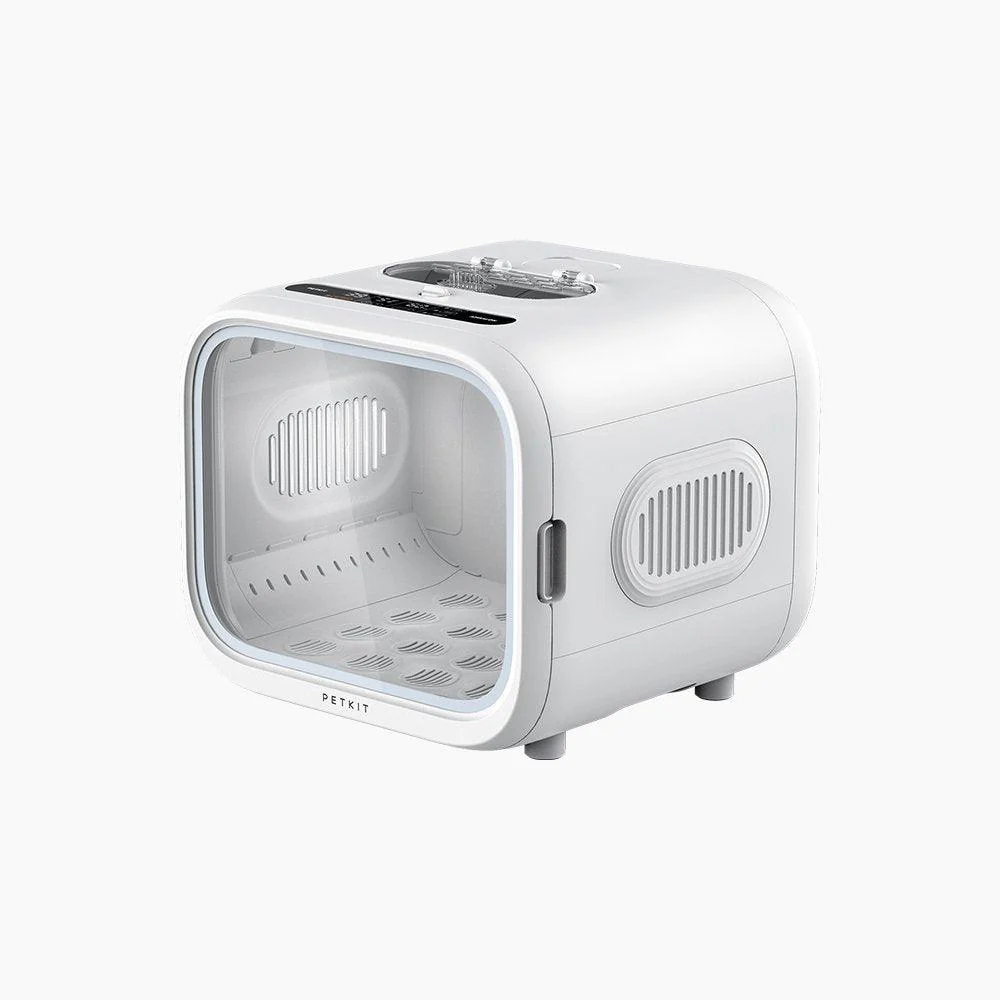
PETKIT AIRSALON Smart Pet Dryer Box
$622.99 AUD
Premium Dog Training Leasg
$29.99 AUD

Argyle Dog Car Seat Cover
$87.99 AUD
Durable Pet Carrier
$536.99 AUD