Puppy Desensitization and Counterconditioning
When your puppy flinches at a vacuum cleaner, trembles at the vet, or panics when strangers knock on the door, it’s easy to brush it off. “She’ll grow out of it,” you might think. But fear rarely fades on its own. In fact, without careful support, it can deepen, cementing into behaviours that lead to reactivity, phobias, or even aggression later in life.
That’s where desensitisation and counterconditioning come in. These are two of the most effective, science-backed tools in behaviour shaping. When applied correctly during puppyhood, they can rewire how your dog feels about the world.
This isn’t about forcing your puppy to be brave. It’s about helping them feel safe—calm in the face of chaos, relaxed in new situations, and confident when life throws surprises their way.
What Is Desensitisation and Counterconditioning?
These two techniques often work together:
- Desensitisation is the gradual, controlled exposure to something that scares or unsettles your dog—like loud noises, busy footpaths, grooming tools, or unfamiliar people. The exposure always starts at a low enough intensity that your puppy doesn’t panic.
- Counterconditioning is about pairing that exposure with something your puppy loves: high-value treats, play, praise. Over time, your dog’s brain rewires the association: “Oh, that loud noise means cheese!” Instead of dread, they learn anticipation.
Let’s be clear: you’re not bribing your puppy to ignore fear. You’re reprogramming the emotional response itself. That’s a big difference—and one that sticks.
Why Start Early?
While puppies have a natural temperament that you can uncover during testing, they also experience a key “sensitive period” of brain development between 3–16 weeks. During this window, their emotional responses to novelty are forming fast. Negative experiences can imprint as lasting fears, but positive ones? They create resilience.
If you wait until problems surface at 6–12 months, you’re not too late—but you’re working against already-formed associations. Early work prevents problems rather than patching them.
For breeders and new owners, this matters. A Cavoodle pup who hears fireworks weekly at low volume with treats during week 10 will likely tolerate future storms with ease. A Groodle raised in silence, then suddenly exposed to New Year’s Eve chaos, may grow into a noise-phobic adult.
What Puppy Owners Often Miss
1. Flooding Doesn’t Work
You can’t “toughen up” a fearful puppy by throwing them into overwhelming situations. That’s called flooding. For example, dragging a leash-reactive pup into a dog park will likely worsen the problem—not fix it. Think trauma, not exposure therapy.
2. Exposure Without Positive Association = Risk
Many puppy socialisation programs encourage “exposing them to everything.” But exposure alone doesn’t build tolerance—it can sensitise fear. The key is pairing the experience with a good outcome.
Just taking your pup on a train won’t help unless you also feed them treats, keep them at a safe distance from scary stimuli, and watch for signs of stress.
How to Build Your Own DS/CC Plan
Let’s say your 10-week-old Labrador is afraid of the hairdryer. Here’s how you’d handle it:
- Identify the trigger: The sound and rush of air from the hairdryer.
- Break it into small pieces:
- Sound off, dryer visible = treat.
- Sound on, dryer far away, low setting = treat.
- Slowly move the dryer closer over multiple sessions.
- Keep sessions short. End on a positive note—before fear appears.
- Watch body language: Lip licking, turning away, stiff tail, slow blinking, or refusing food? You’ve gone too far. Dial it back.
- Layer in response substitution: Teach your puppy to sit on a mat or make eye contact during trigger exposure. This replaces panicked reactions with calm behaviours.
Repeat this process with any fear: doorbells, buses, umbrellas, kids on scooters. The structure remains, only the trigger changes.
Tools of the Trade
- Treats: You want high-value, smelly treats. Chicken, cheese, kangaroo jerky—whatever makes your puppy drool.
- Clicker (optional): Mark calm behaviour precisely.
- Notebook or app: Log progress. Note how close you got to the trigger before a reaction. Tracking matters.
- Trigger recordings: YouTube has endless firework, thunder, baby crying and city noise videos. Use a Bluetooth speaker to control volume and distance.
- Mat or target: Teach your puppy to settle in one spot during exposure. This helps lower arousal.
How Long Does It Take?
Weeks, sometimes months. You’re working on emotional memory, not just surface behaviour. Think of it like physical therapy—done slowly, steadily, with wins that build over time.
Some triggers resolve in days (e.g., the vacuum). Others take months (e.g., fear of strangers). But every success adds confidence. The more your puppy learns “scary thing = good stuff happens,” the more they trust you—and themselves.
When to Call a Pro
You should work with a qualified trainer or behaviourist if:
- Your puppy shows aggression (growling, snapping).
- You’re seeing regression—new fears cropping up rapidly.
- You feel overwhelmed or unsure of how to manage intensity.
- Your pup shuts down completely during exposure.
Look for trainers who use positive reinforcement and science-based methods—not “dominance” or “alpha” language.
Final Thoughts
Desensitisation and counterconditioning aren’t just tools to fix “problem dogs.” They’re preventative, proactive, and powerful ways to shape emotionally resilient companions.
A puppy raised with DS/CC becomes the dog who doesn’t flinch when guests visit, who walks calmly past skateboards, who tolerates the vet like a champ. That’s not just good manners—it’s emotional health.
In the same way that we vaccinate puppies against illness, DS/CC helps inoculate them against fear. And for any family bringing home a new pup in Australia, that’s one of the kindest, smartest things you can do.
Related posts:



You must be logged in to post a comment.


Dachshund Pet Stairs
$135.99 AUD
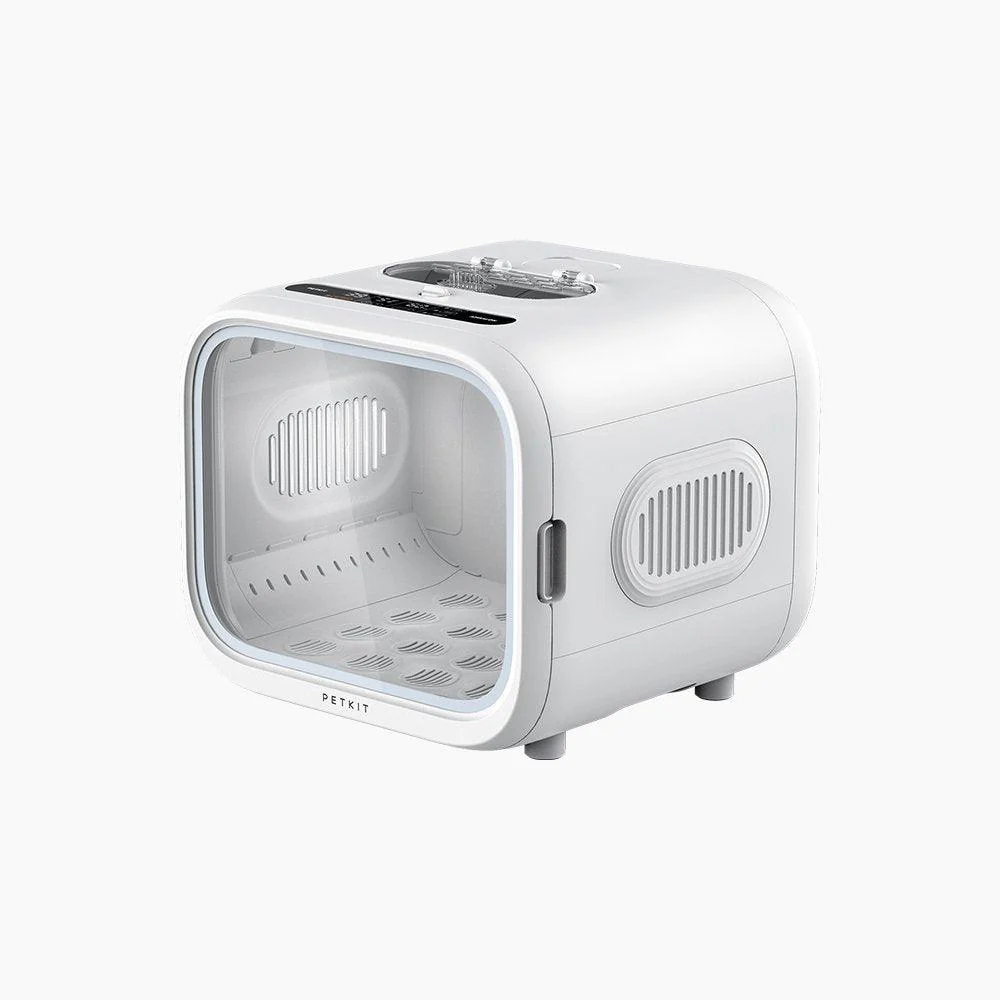
PETKIT AIRSALON Smart Pet Dryer Box
$622.99 AUD
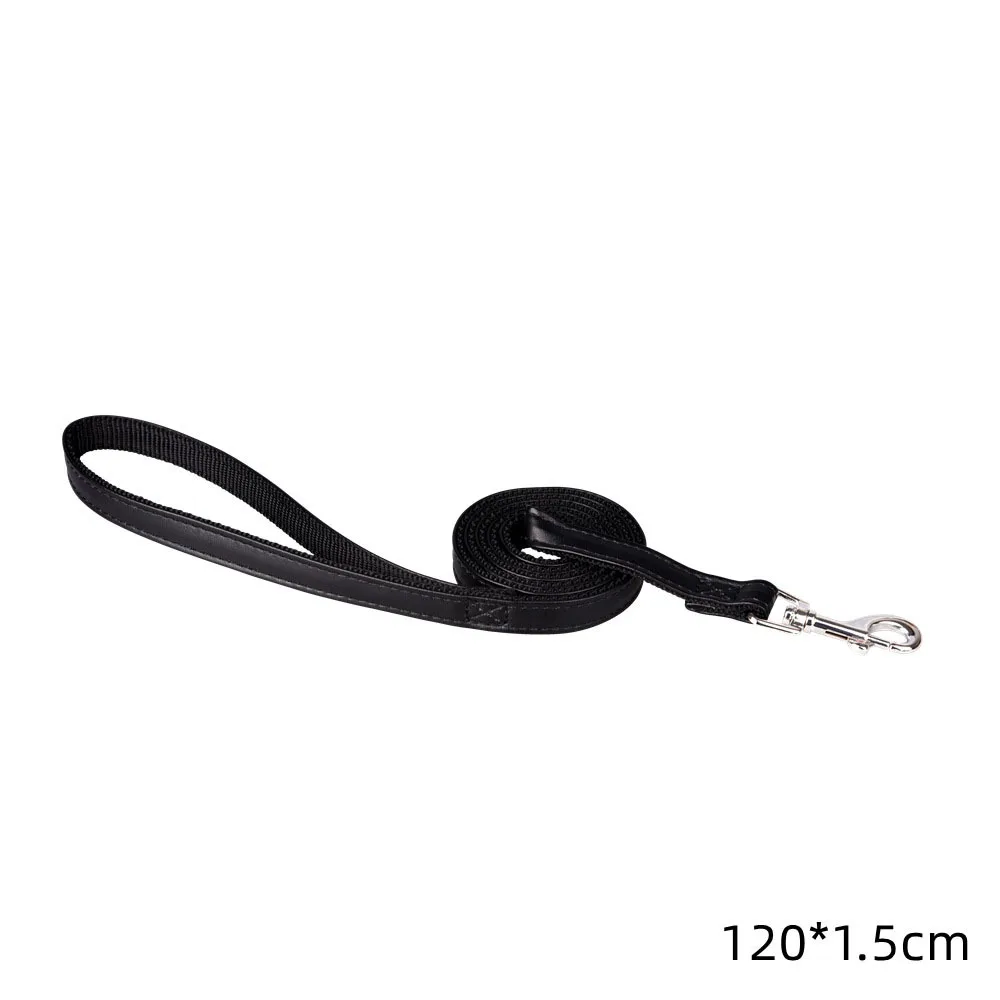
Premium Dog Training Leasg
$29.99 AUD
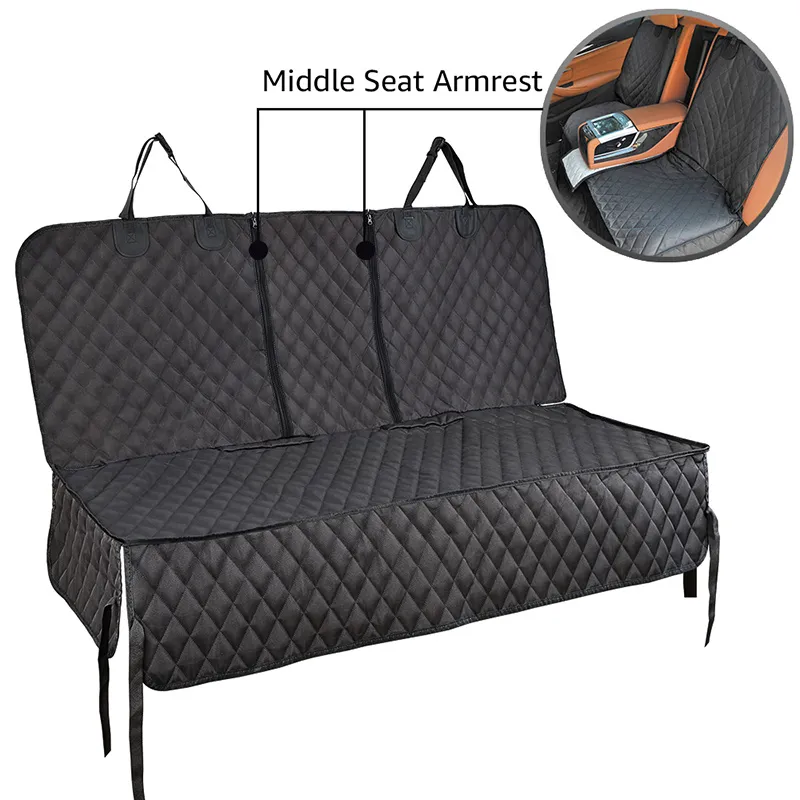
Argyle Dog Car Seat Cover
$87.99 AUD
Durable Pet Carrier
$536.99 AUD