5 Common Cavoodle Health Issues
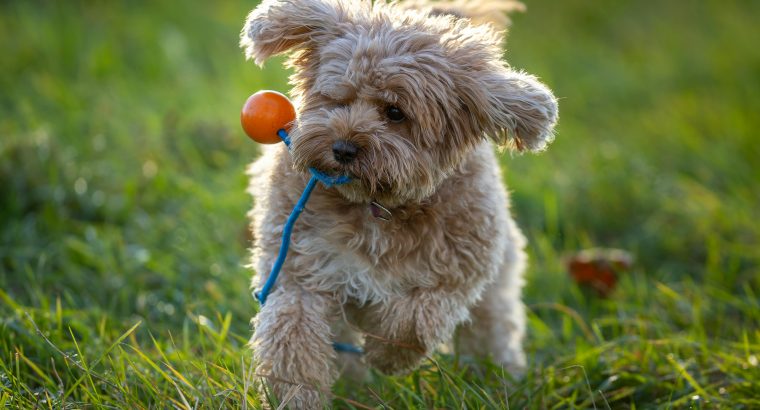
Cavoodles are one of Australia’s most beloved hybrid dog breeds — affectionate, intelligent, and ideal companions for many families. Part Cavalier King Charles Spaniel and part Poodle, these pups often combine the best traits of both breeds. But like all dogs, Cavoodles aren’t immune to health issues. What’s unique about a hybrid like the Cavoodle is that they can inherit conditions from both parent breeds.
Understanding the most common health issues helps you care proactively for your dog throughout their life. If you’re ready to find your next Cavoodle puppy, you can browse PetsForHomes Cavoodle listings.
1. Mitral Valve Disease (Heart Issues)
What it is
Mitral Valve Disease (MVD) is one of the most common cardiac problems in Cavalier King Charles Spaniels, and related breeds like the Cavoodle can inherit a genetic predisposition. MVD involves the deterioration of the heart’s mitral valve, leading to inefficient blood flow and sometimes heart murmurs, congestive heart failure, or coughing.
Signs to watch for
- Persistent coughing
- Exercise intolerance
- Rapid breathing or difficulty breathing
- Lethargy
- Heart murmur detected by your vet
Prevention and management
Early detection is key. Ask your breeder whether parent dogs have undergone heart screening (such as echocardiograms) before breeding. Regular veterinary check‑ups, especially as your Cavoodle enters middle age (around 5–7 years), help catch murmurs or rhythm changes early.
Treatment may include medication to support heart function and reduce fluid build‑up. With careful monitoring, many dogs can live full, happy lives despite MVD.
2. Progressive Retinal Atrophy & Eye Problems
What it is
Poodles are genetically predisposed to certain eye disorders, including Progressive Retinal Atrophy (PRA). PRA is a group of inherited conditions that cause degeneration of the retina, leading to night blindness or vision loss over time.
Other eye issues Cavoodles can inherit include:
- Cataracts
- Corneal dystrophy
- Dry eye (keratoconjunctivitis sicca)
What it looks like
Signs of vision issues can be subtle at first:
- Bumping into objects at night
- Reluctance to navigate stairs in dim light
- Excessive tearing or discharge
- Red or irritated eyes
Screening and care
Responsible breeders often have parent dogs screened by veterinary ophthalmologists. Tests such as CERF (Canine Eye Registration Foundation) or exams by a specialist help reduce the chance of passing on serious eye conditions.
If your Cavoodle is diagnosed with an eye issue, treatments range from topical medication and anti‑inflammatories to surgery in advanced cases.
3. Patellar Luxation (Kneecap Slipping)
What it is
Patellar luxation happens when a dog’s kneecap (patella) slips out of place. Small breeds — including Cavaliers and many Poodle crosses — are more prone to this condition.
Patellar luxation is graded on a scale of I–IV:
- Grade I: Kneecap slips occasionally but returns to normal
- Grade IV: Kneecap is permanently displaced
Symptoms to watch for
- Skipping or “bunny hopping” gait
- Sudden lameness in a hind leg
- Difficulty jumping or climbing stairs
- Pain when touched around the knee
Diagnosis and treatment
Your vet will assess gait and may use X‑rays to confirm luxation. Mild cases often respond to weight management and joint supplements (e.g., glucosamine and chondroitin). Moderate to severe cases may require surgery to realign the kneecap.
4. Ear Infections
Why Cavoodles are prone
Cavoodles inherit ears from both parents: long, drop‑style ears from the Cavalier side and hair growth down the canal from the Poodle side. Both traits increase the risk of ear infections because airflow is reduced and moisture can become trapped.
Signs of an ear problem
- Head shaking
- Ear scratching
- Red, swollen ear canals
- Foul smell or discharge
- Sensitivity when ears are touched
Prevention and care
Routine ear cleaning — especially after baths or swimming — reduces infection risk. Send a sample to your vet if you suspect an infection, as bacteria and yeast both respond to different treatments.
For dogs with recurrent infections, your vet may recommend regular ear rinses or medicated drops.
5. Skin Allergies and Dermatitis
What it is
Many Cavoodles are sensitive to environmental or food allergens. Allergic reactions can cause itchiness, hot spots, and repeated scratching.
Food allergies (often to common proteins like beef, chicken, or dairy) can show up as skin problems, ear infections, or digestive issues. Environmental allergies — pollen, dust mites, mould — can flare seasonally.
Typical signs
- Excessive scratching or licking
- Red or inflamed skin patches
- Recurrent ear infections
- Hair loss or hot spots
Diagnosis and management
Your vet can help diagnose allergies by reviewing diet history, performing elimination diets, or recommending allergy testing. Omega‑3 supplements, specialised diets, and medicated shampoos often help control symptoms.
Identifying triggers and adjusting your dog’s environment can significantly improve long‑term comfort.
What These Issues Mean for Owners
Cavoodles tend to be healthier than some purebred dogs due to hybrid vigour, but that doesn’t make them immune to inherited conditions. The mix of Cavalier and Poodle genetics can expose them to issues common in both breeds — including heart murmurs, eye degeneration, kneecap luxation, ear infections, and skin sensitivities.
Proactive steps you can take:
- Choose a reputable breeder. Ask about health screening for heart, eyes, hips, and knees. Ethical breeders prioritise long‑term wellness over quick sales.
- Schedule regular check‑ups. Annual vet visits help catch issues early, before they become serious.
- Monitor behaviour and symptoms. Early recognition of changes in appetite, gait, activity level, or coat condition makes treatment more effective.
- Invest in insurance. Pet insurance in Australia can help manage the cost of long‑term conditions.
A Healthy Cavoodle Is a Well‑Cared‑For Cavoodle
Owning a Cavoodle is a joy, but responsible ownership means knowing what health issues can arise and when to act. With thoughtful breeding, early screening, and attentive care, many of these conditions are manageable, and dogs can enjoy long, happy lives.
If you’re considering adding one of these lovable companions to your family, start by exploring options near you: browse current Cavoodle listings on PetsForHomes Australia.
Related posts:



You must be logged in to post a comment.

Dachshund Pet Stairs
$135.99 AUD
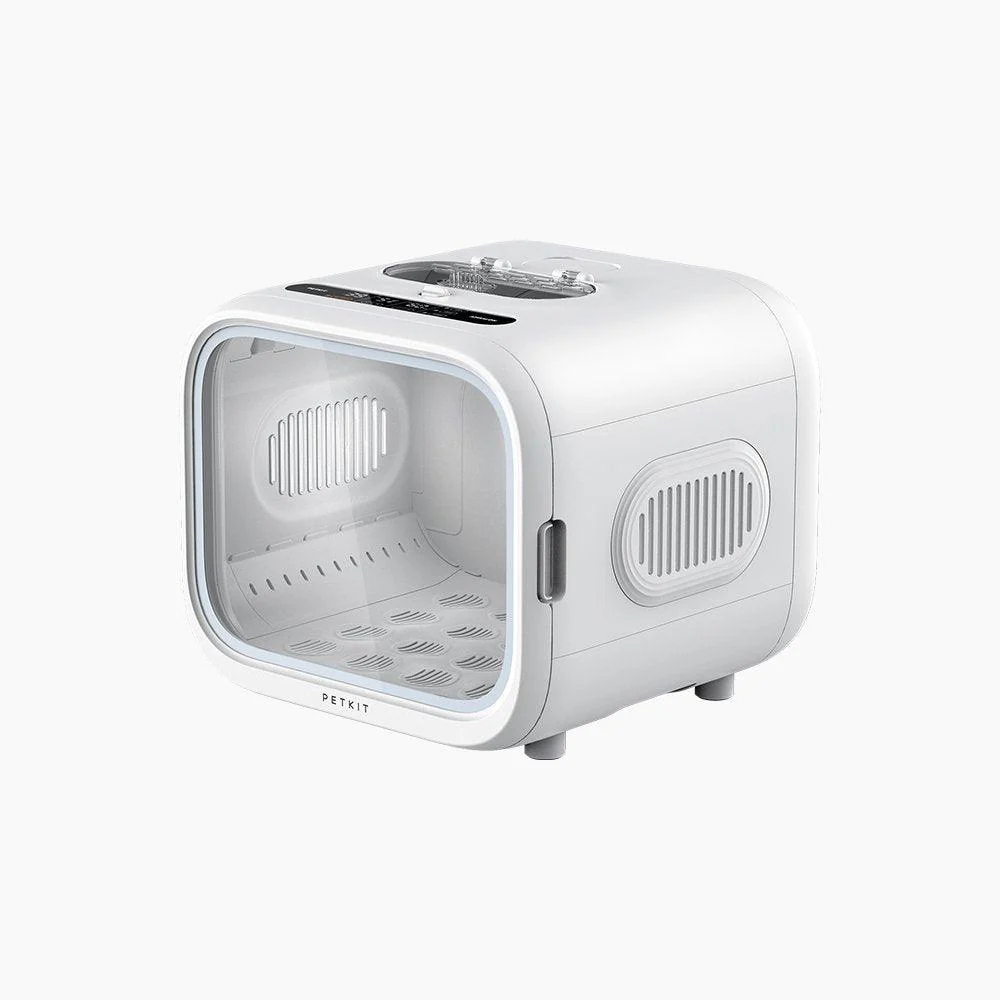
PETKIT AIRSALON Smart Pet Dryer Box
$622.99 AUD
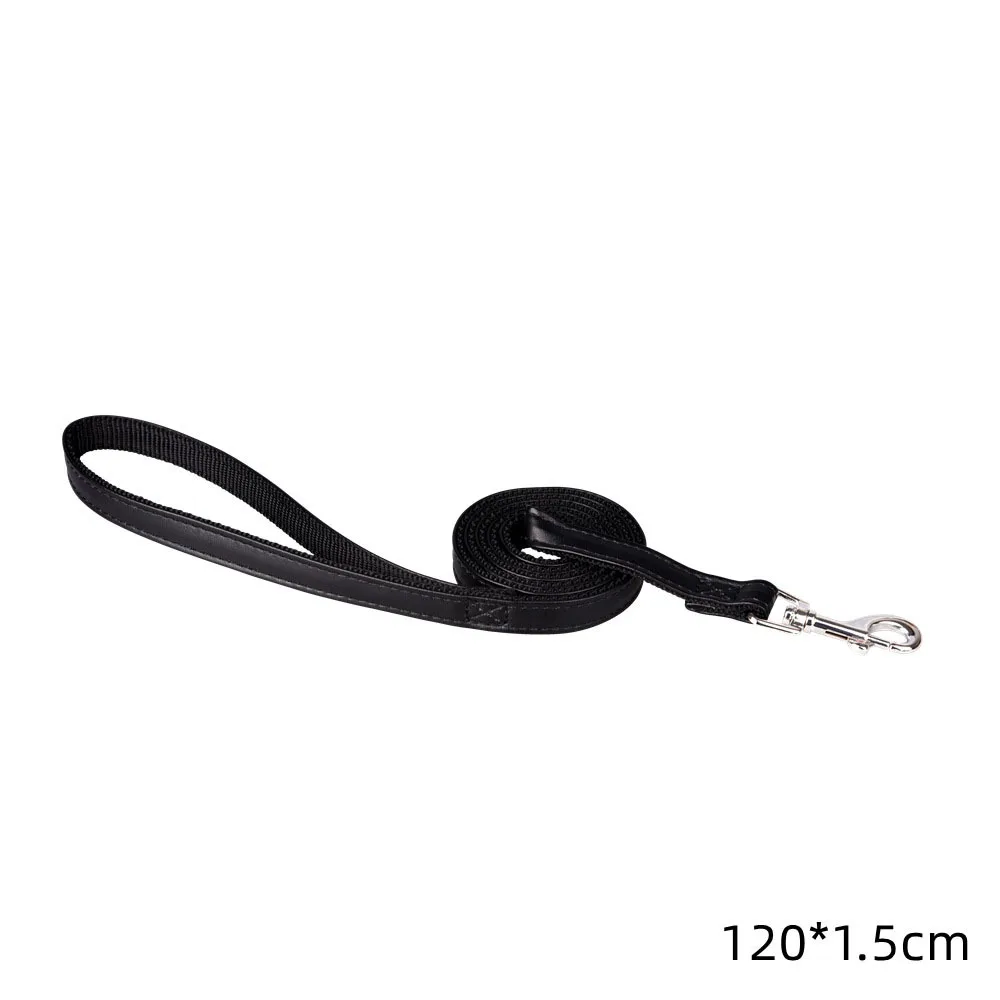
Premium Dog Training Leasg
$29.99 AUD

Argyle Dog Car Seat Cover
$87.99 AUD

Durable Pet Carrier
$536.99 AUD