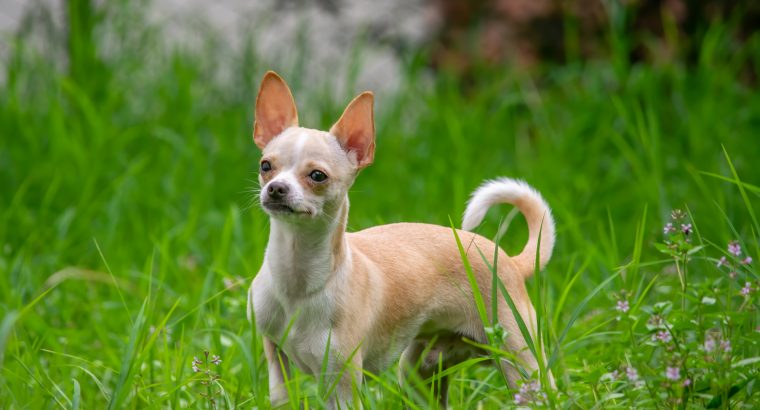
Potty Training a Chihuahua
Chihuahuas may be tiny, but they sure come with big personalities and an even bigger challenge when it comes to housebreaking. Ask any long-time Chi owner and they’ll likely agree: these pocket-sized pups don’t make toilet training easy. Between their dislike for the cold, their microscopic bladders, and a certain stubborn streak, it’s no surprise many new owners struggle to get their little mate to go where they should.
But don’t throw in the towel just yet. With a few clever strategies tailored to small breeds, you can teach your Chihuahua to do their business like a pro. Whether you’re preparing for a new puppy or trying to retrain an older rescue, here’s a guide to mastering toilet training for one of Australia’s cheekiest companion dogs.
Why Are Chihuahuas Harder to Toilet Train?
Before jumping into solutions, it helps to understand the root of the issue. Chihuahuas often have a harder time with housebreaking compared to larger breeds for three main reasons:
- Tiny Bladders – These dogs need to relieve themselves much more often. Even an adult Chihuahua may not be able to hold it for more than 4–5 hours.
- Sensitive to Weather – Chihuahuas dislike wet grass, rain, cold wind, and anything resembling a winter morning in Melbourne. That resistance to going outside can create bad habits quickly.
- Territorial Behaviour – Males in particular may mark inside the house, especially if not desexed. Females can also pick up this habit, especially in multi-dog homes.
Recognising these quirks is key to creating a training plan that actually works.
Strategy #1: Crate Training for Small Dogs
Crate training is one of the most effective methods for housebreaking any dog—but it’s especially useful for Chihuahuas. Why? Dogs don’t like to soil their sleeping area, so they’ll naturally try to hold it while inside the crate.
Tips for crate success:
- Choose a crate just big enough for your Chihuahua to stand, turn around, and lie down, and no larger. Too much space invites accidents.
- Let your pup nap and sleep in the crate, and take them outside the moment they wake up.
- Never use the crate as punishment. It should feel safe, not like doggy jail.
Start with short intervals and build up. Be sure to take them out before they start whining or pacing. Timing is everything.
Strategy #2: Use Indoor Toilet Options
Sometimes, especially in apartment living or during wet seasons, getting outside quickly isn’t realistic. That’s where indoor options like puppy pads or real-grass toilet trays come in.
For Chihuahuas, indoor grass patches can be a game-changer. Unlike synthetic pads, they look and smell like the real thing, which makes the transition to outdoor toileting easier later.
Set up the space with care:
- Place it somewhere quiet and consistent, don’t keep moving it.
- Always lead your pup there after meals, naps, and playtime.
- Reward with praise or a small treat the moment they go on the patch.
Over time, you can gradually shift the grass patch closer to the door, then outdoors.
Strategy #3: Stick to a Routine
Routine builds reliability. For a dog with a fast metabolism like a Chihuahua, you’ll need to offer bathroom breaks:
- First thing in the morning
- After every meal
- After every nap
- After playtime
- Before bed
- Every 2–4 hours in between (especially when young)
Set alarms if you must. The more you predict their needs, the fewer indoor surprises you’ll clean up.
Strategy #4: Praise the Good, Ignore the Bad
Many small dogs shut down or become sneaky if they’re punished for accidents. If you catch your Chihuahua mid-wee on the carpet, interrupt with a gentle clap or “uh-oh” and move them to the right spot. If they finish there, offer enthusiastic praise.
What doesn’t work?
- Rubbing their nose in it (cruel and confusing)
- Yelling (only teaches them to hide when they go)
- Scolding after the fact (they won’t connect the dots)
Instead, throw a party every time they go in the right place: treats, gentle cheer, a happy voice. Positive reinforcement always wins.
Strategy #5: Consider Belly Bands or Dog Nappies (For the Short-Term)
Male Chihuahuas who mark can benefit from a belly band—a soft, washable wrap that prevents accidents on furniture or floors while training. Just make sure it’s a temporary tool, not a lifelong crutch.
Dog nappies can also help if you’re dealing with a senior Chihuahua or one with special needs. But for a healthy puppy, the goal is always full potty independence.
When Should You Worry?
If your Chihuahua is over six months old and still having daily accidents, or if there’s a sudden regression in behaviour, talk to your vet. Urinary tract infections, bladder stones, or anxiety can cause setbacks, even in fully trained dogs.
Patience Is the Secret Weapon
Some Chihuahuas may take several months to become fully toilet trained, especially if they’re stubborn or have come from less structured backgrounds. Don’t give up. Keep the schedule tight, the praise flowing, and the indoor options available, and progress will come.
These little dogs may take their time, but once they learn, they tend to be quite clean animals. And the bond built during this training journey? Worth every puddle.
Looking to bring a Chihuahua into your life? Be sure to browse current Chihuahua listings on PetsForHomes to find available pups near you from ethical breeders and loving homes.
Related posts:



You must be logged in to post a comment.

Dachshund Pet Stairs
$135.99 AUD
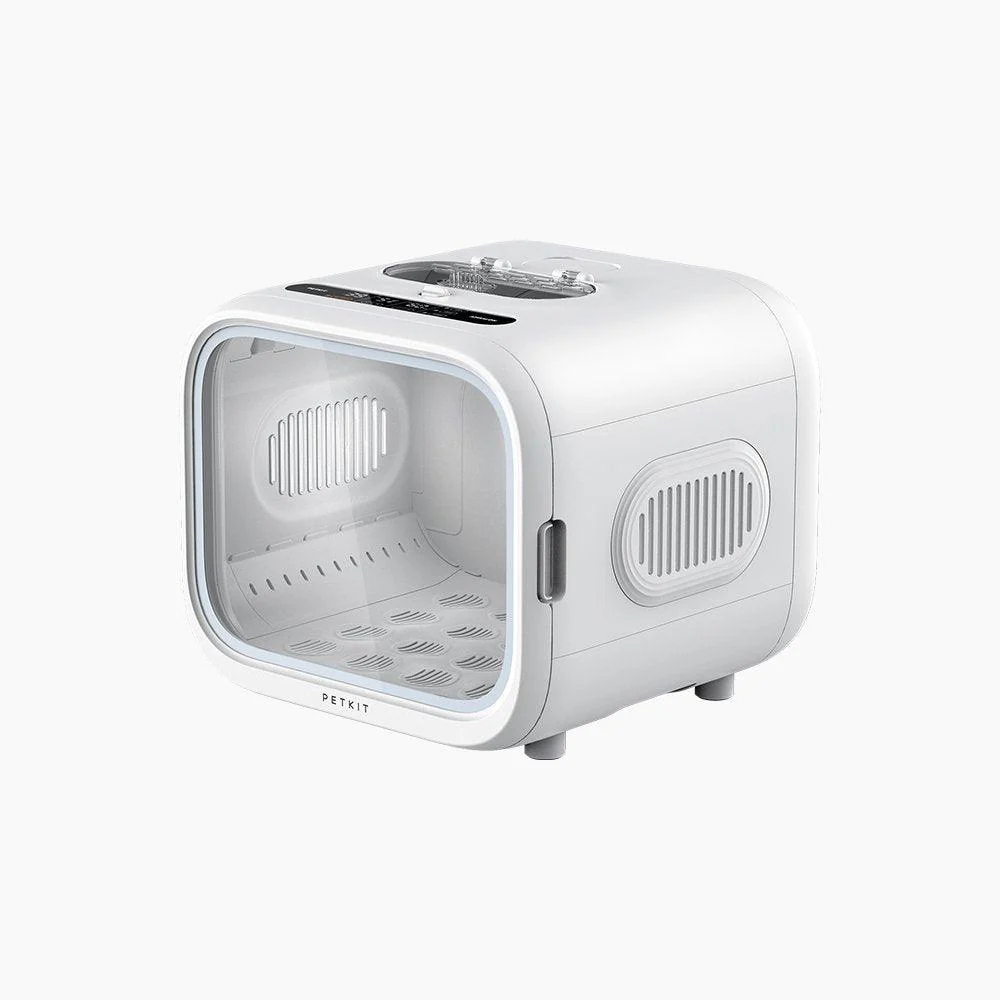
PETKIT AIRSALON Smart Pet Dryer Box
$622.99 AUD
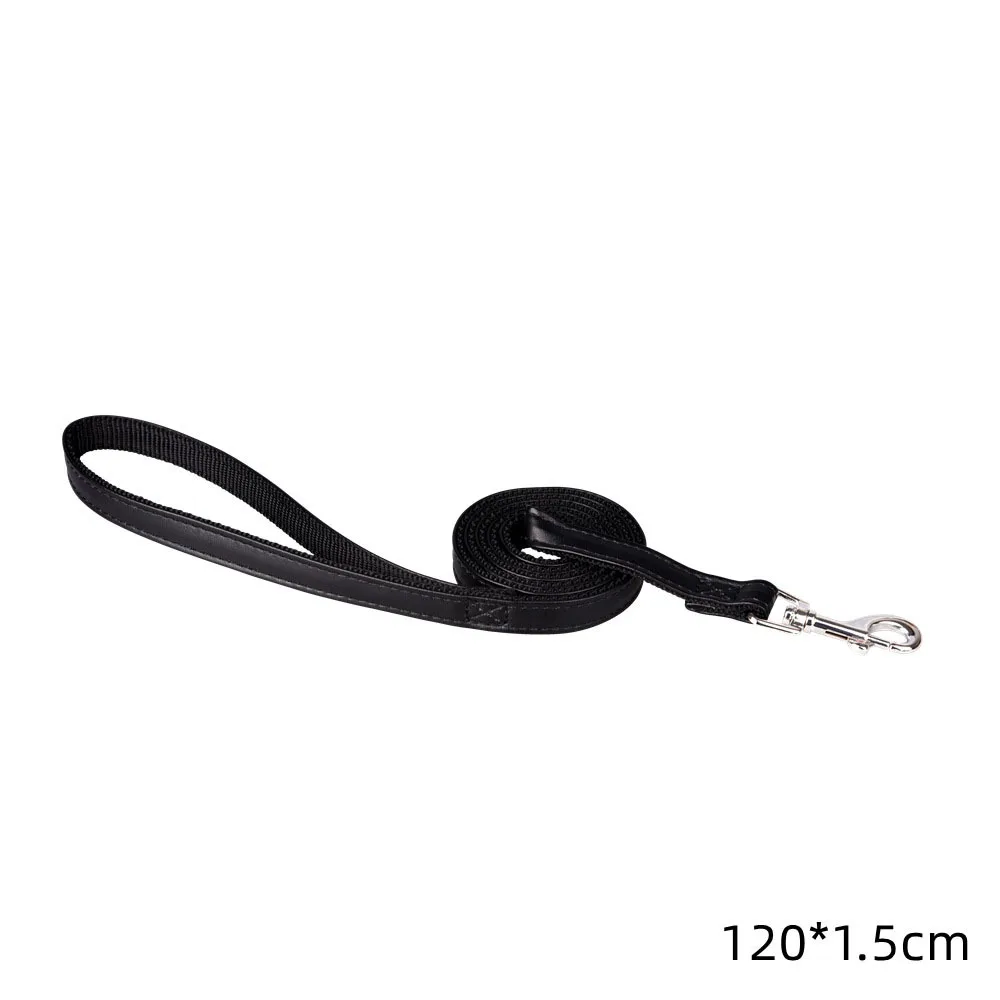
Premium Dog Training Leasg
$29.99 AUD
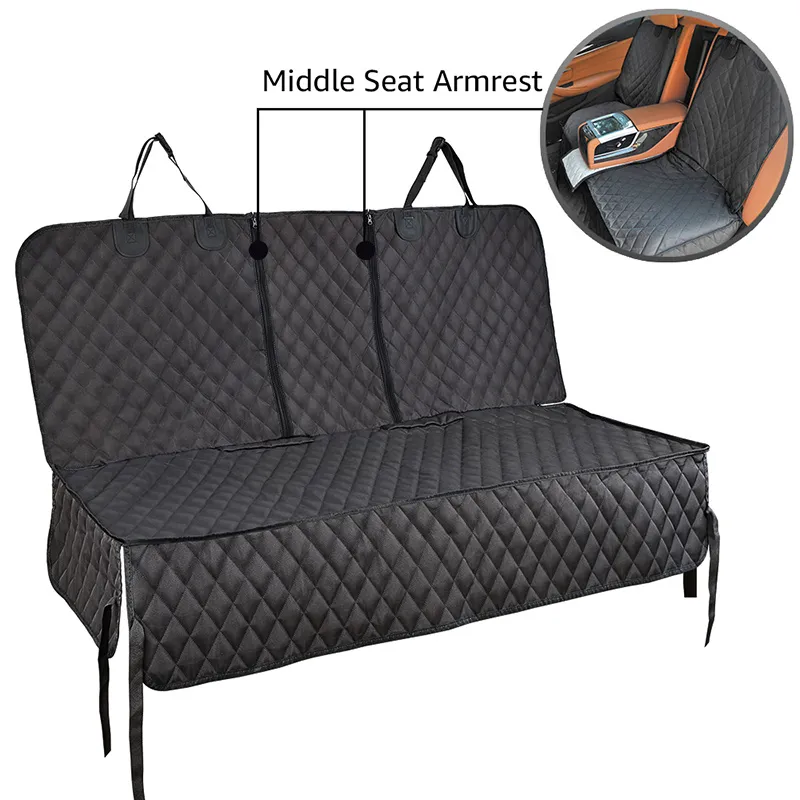
Argyle Dog Car Seat Cover
$87.99 AUD
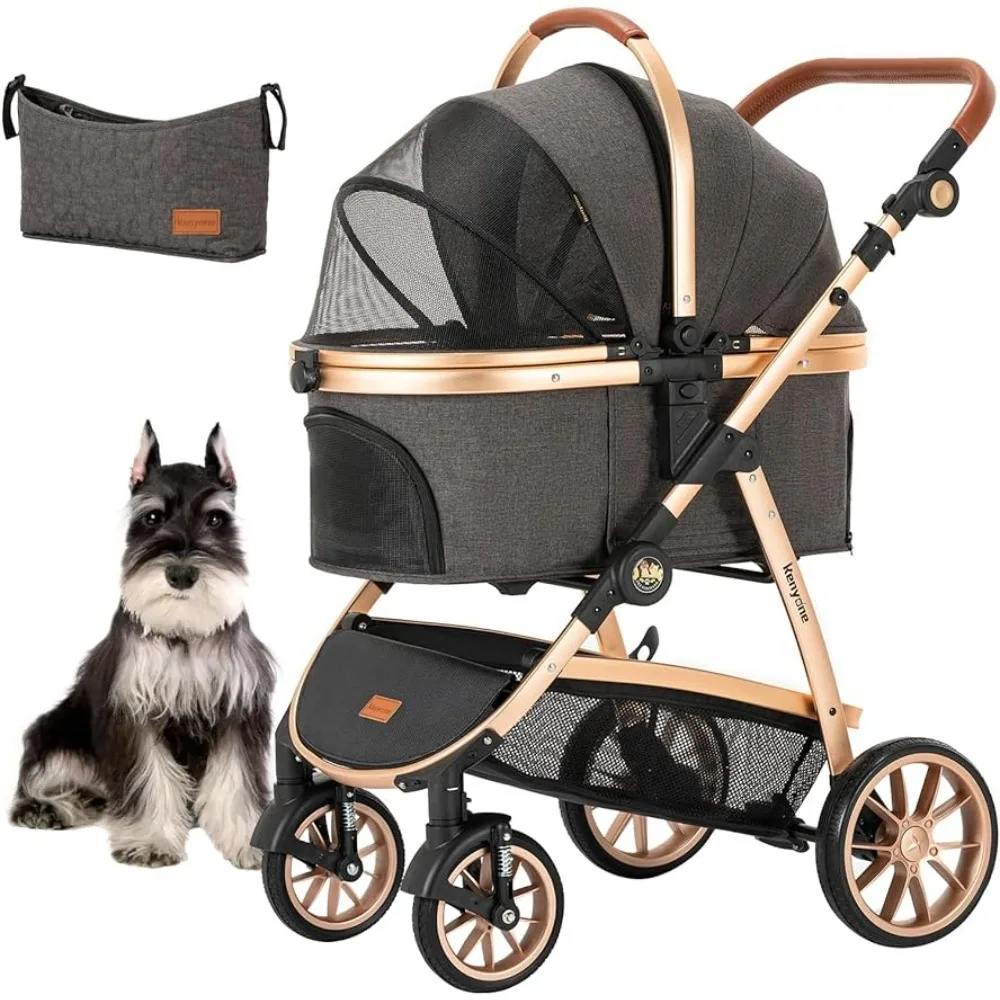
Durable Pet Carrier
$536.99 AUD