Useful Products for Australian Apartment Dogs
Apartment living has surged across Sydney, Melbourne, Brisbane, and other growing Australian cities. More pet parents now share high-rises, compact townhouses, and inner-city apartments with small-to-medium dogs, and that shift has cracked open an old myth: dogs do not need a massive backyard to live a happy, enriched life.
What they do need is a home set up with care.
A small space can feel cosy, calm, and connected for a dog, but it can also create a few tricky moments. There may be no grass patch downstairs. The lift might take ages. Balcony sun can scorch. Hard floorboards can punish little joints. Boredom can brew into barking, chewing, pacing, or scratching at the door.
The good news? A smart apartment setup can turn those pain points into comfort. With the right essentials, your dog can toilet with less stress, climb with less strain, play indoors without chaos, lounge outside with protection, and cope better when you step out.
Here are five game-changing essentials for Australian apartment dogs.
Useful Products for Australian Apartment Dogs
1. The Indoor Potty Solution
Every apartment dog owner knows the panic: your dog starts circling, the lift is slow, it is bucketing down outside, and you are fifteen floors away from the nearest patch of grass. For puppies, senior dogs, small breeds, and dogs with tiny bladders, that gap between “I need to go” and “we made it outside” can feel huge.
An indoor or balcony toilet station solves that problem. A clean, designated potty area gives your dog a clear place to go when the weather turns, the lift stalls, or your schedule gets messy.
A premium dog litter box in australia can help protect rugs, reduce accidents, and make apartment toilet training far more manageable. It works well as a backup station, a puppy training aid, or a balcony toilet spot for dogs who need access between walks.
Benefits include:
- Helps reduce indoor accidents during bad weather
- Gives puppies and small dogs a consistent toilet zone
- Works for apartments, balconies, townhouses, and units
- Can support senior dogs or dogs with limited mobility
- Helps save carpets, mats, and floorboards from mess
For best results, keep the potty station in one consistent place. Dogs learn through routine, scent, and repetition, so moving it around can muddle the message.
2. Joint Protection for High Furniture
Modern apartments often look beautiful but can be hard on small dogs. High beds, deep sofas, polished timber floors, tiles, and compact layouts can all create jump hazards.
For small breeds such as Dachshunds, Chihuahuas, Toy Poodles, Cavoodles, Italian Greyhounds, and older terriers, leaping off furniture can place strain on the spine, knees, hips, and shoulders. One jump may seem harmless. Hundreds of jumps over months or years can add up.
That is where pet steps earn their place. A sturdy set of dog stairs for high bed setups can help your dog climb up and down furniture without launching onto hard apartment flooring.
Benefits include:
- Reduces jumping from beds, couches, and chairs
- Supports small breeds with delicate backs or legs
- Helps senior dogs keep independence
- May reduce strain after walks, play, or grooming
- Makes furniture access safer in compact homes
Pet stairs are not just for older dogs. They are a prevention tool. Teaching a young dog to use steps can build safer habits before sore joints or injuries appear.
Place the stairs against the bed or couch your dog uses most, then encourage them with praise and treats until the steps become part of their daily routine.
3. Sun and Wind Eye Safety on the Balcony
Many apartment dogs adore balcony time. They watch birds slice across the sky, sniff the breeze, spy on street life, and settle into that warm patch of light like tiny royalty.
But Australian conditions can be harsh. Balcony glare, strong UV, dusty wind, and road debris during car rides can irritate a dog’s eyes. Some dogs are more exposed than others, especially flat-faced breeds, light-eyed dogs, small breeds carried in bike baskets, or pets who love sticking their head into the breeze on weekend café runs.
Protective eyewear may look cute, but it can serve a real purpose. A pair of small dog goggles australia can help shield small dogs from sun glare, dust, wind, and airborne grit during balcony lounging, walks, and road trips.
Benefits include:
- Helps reduce wind and dust irritation
- Adds eye protection during sunny outings
- Useful for balcony dogs exposed to glare
- Great for café trips, car rides, and outdoor adventures
- Helps small dogs stay comfortable in bright conditions
Introduce goggles in short sessions. Let your dog sniff them, wear them indoors for a moment, then build up with treats. Comfort comes before photos.
4. High-Engagement Indoor Boredom Busters
A bored apartment dog can become a noisy apartment dog. Without a yard to sniff, dig, chase, and explore, dogs need indoor enrichment that keeps their mind busy without turning the lounge room into a wrestling arena.
Mental stimulation can help reduce nuisance barking, chewing, pawing, and restless pacing. It gives dogs something to solve, mouth, nudge, carry, or investigate.
A plush alligator toy can work as a fun indoor boredom buster, especially for dogs who enjoy soft toys, tug games, gentle shaking, or pretend “hunt and capture” play.
Benefits include:
- Encourages indoor play without needing a backyard
- Helps redirect chewing onto an approved toy
- Supports natural chase, grab, and carry instincts
- Can reduce boredom between walks
- Works well for rainy days, hot afternoons, and quiet evenings
The trick is to rotate toys instead of leaving every toy out all day. Keep a few hidden, then bring one back after a few days. To your dog, it can feel new again.
For apartment dogs, aim for a mix of sniffing games, chew-safe toys, training sessions, and calm play. Ten minutes of thoughtful engagement can tire a dog more than twenty minutes of aimless chaos.
5. Discreetly Monitoring Separation Anxiety
Apartment pet parents often worry about what happens after the front door closes. Is the dog crying? Scratching the door? Pacing between rooms? Sleeping by the mat? Barking at hallway noise?
In close-quarter living, separation anxiety can create stress for your dog and tension with neighbours. The challenge is that many owners only see the aftermath: claw marks, complaints, accidents, or a dog who looks unsettled.
A room camera can help, but it only shows one angle. A lightweight dog collar camera gives you a closer view of your dog’s world from their level. That perspective can reveal patterns you might miss, such as pacing routes, doorway scratching, water breaks, window watching, or moments when your dog settles.
Benefits include:
- Helps you understand your dog’s behaviour when alone
- Gives a first-person view without fixed blind spots
- Can support separation anxiety training plans
- Useful for reviewing pacing, barking triggers, or rest periods
- Works indoors and outdoors without needing a bulky setup
This kind of tool is not about spying on your dog. It is about learning what they experience, then making better choices. You might discover they need a calmer departure routine, more morning enrichment, less hallway noise, or a safer confinement zone.
Small Space Can Still Mean Big Comfort
Apartment living does not mean your dog has to miss out. In many ways, small-space homes can strengthen the bond between dogs and their people. You share routines, notice small changes, and create a home that fits your dog’s real needs.
The key is to think ahead. A potty station solves the lift problem. Pet stairs protect little joints. Goggles guard against harsh sun and wind. Interactive toys keep the brain busy. A collar camera helps you understand what happens when you leave.
A small home can still feel rich, safe, and full of comfort.
Ready to maximise your pup’s apartment comfort? Explore these essentials and more at the PetsForHomes Shop.
Related posts:
You must be logged in to post a comment.
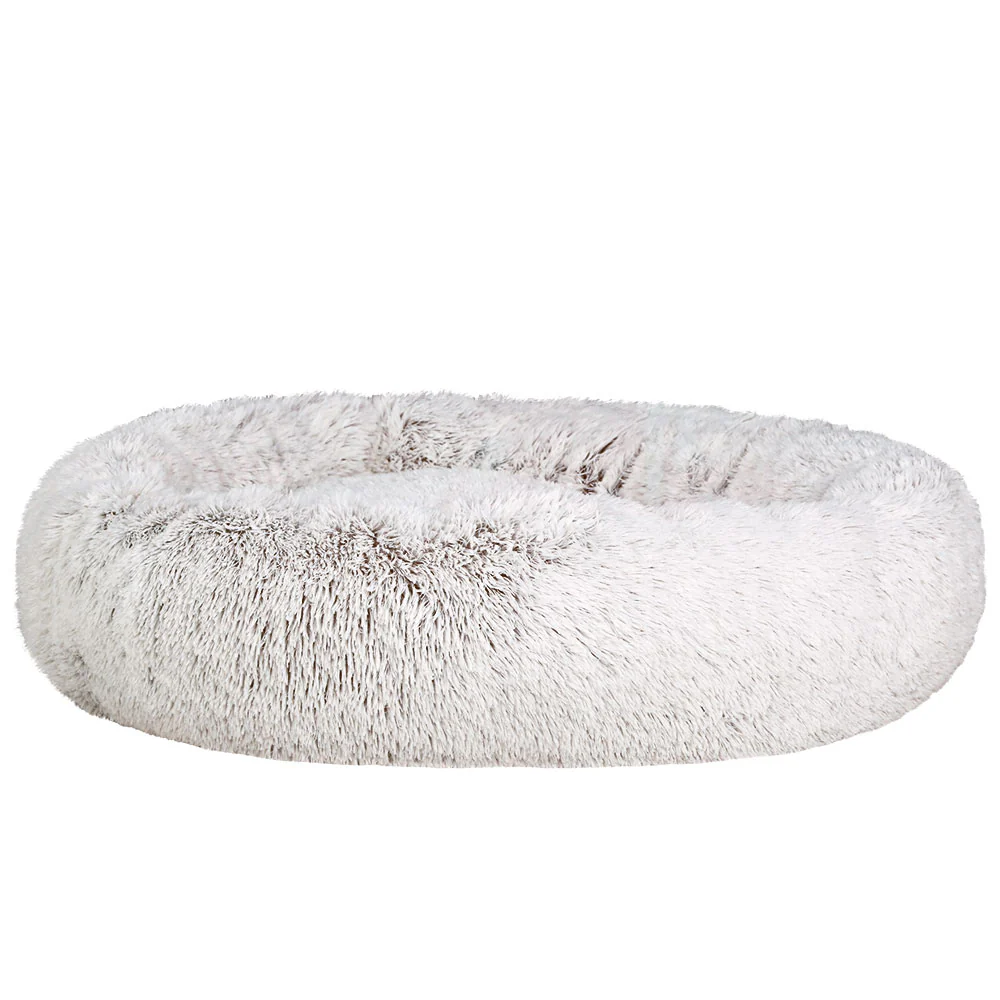

Dachshund Pet Stairs
$135.99 AUD
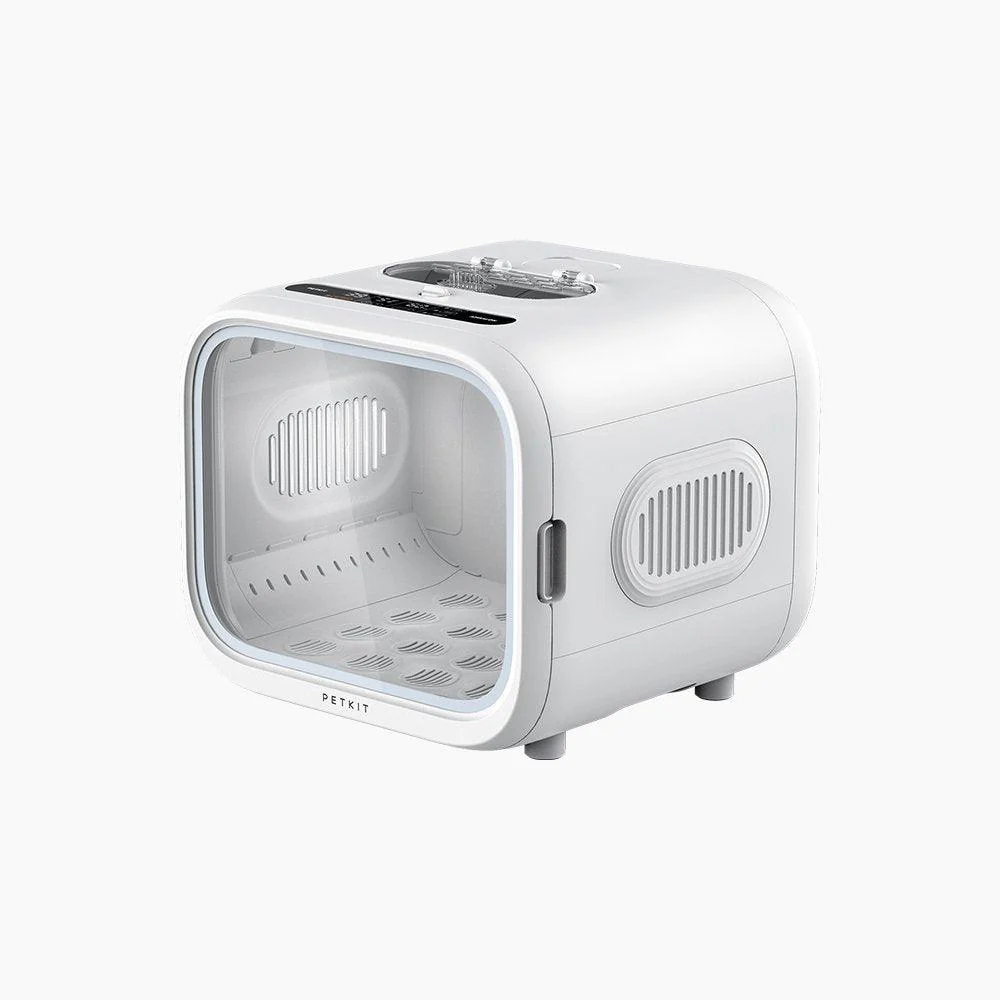
PETKIT AIRSALON Smart Pet Dryer Box
$622.99 AUD
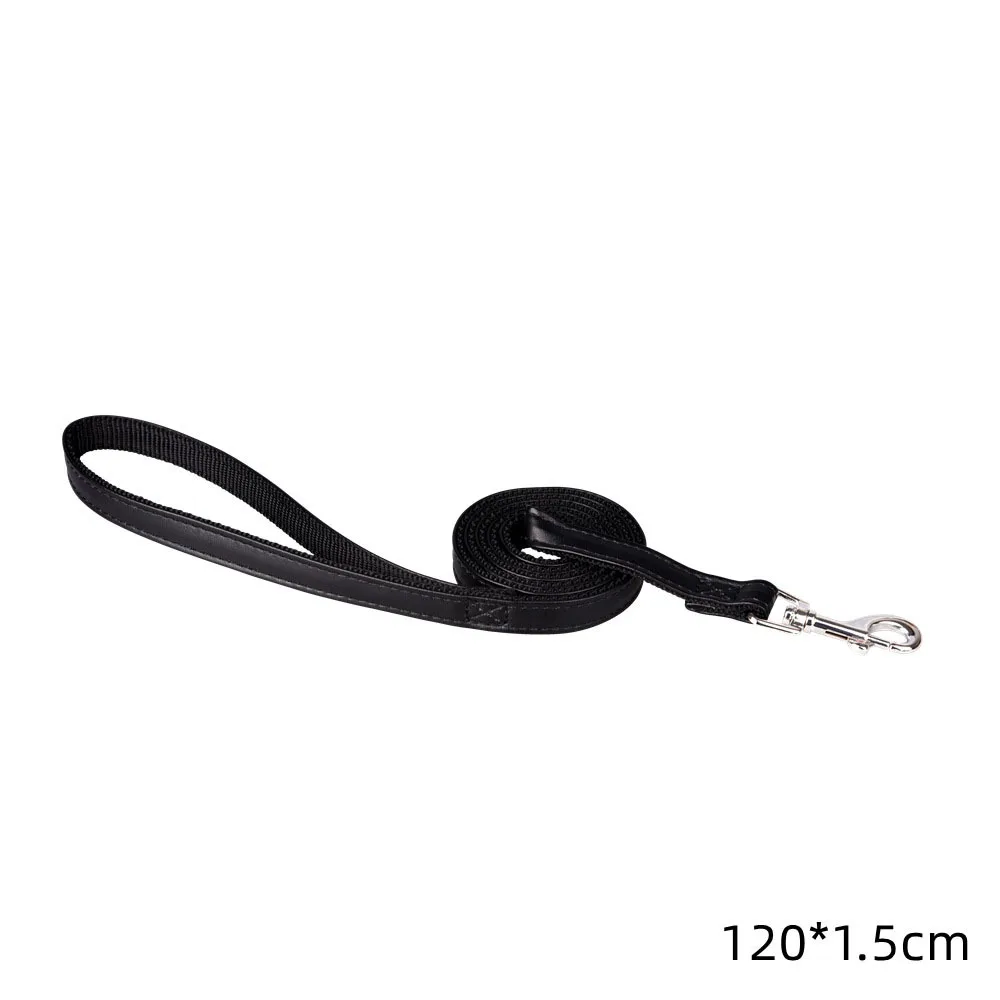
Premium Dog Training Leasg
$29.99 AUD
Argyle Dog Car Seat Cover
$87.99 AUD
Durable Pet Carrier
$536.99 AUD