Search over 2 donkeys across Australia
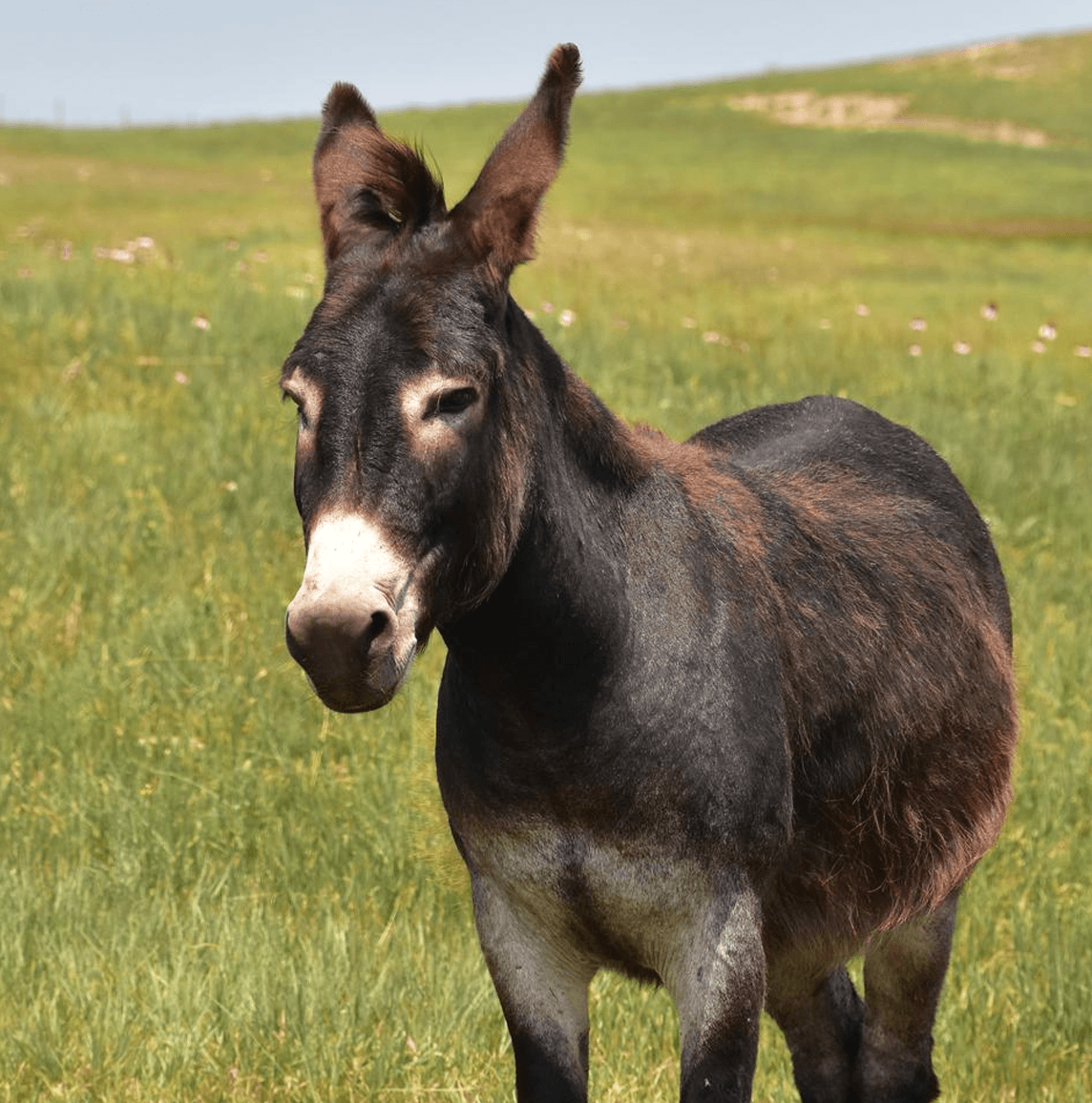
Donkeys are extraordinary animals that have lived alongside humans for thousands of years. Donkeys are known for their loyalty, hard work, and affectionate companionship with humans. These animals are calm and make excellent animal companions for children, the elderly, or those with disabilities. Donkeys are even used in equine-assisted therapy programs throughout Australia.
Unlike horses, donkeys are known to be stoic and have a great deal of independence as animals. Once they trust you, however, they can become very attached to and loyal companions.
Filter 
Search

Location

Price Range

Find Donkeys For Sale
2 Results
Australia's No. 1 Free Pets Classified
Donkeys are extraordinary animals that have lived alongside humans for thousands of years. Donkeys are known for their loyalty, hard work, and affectionate companionship with humans. These animals are calm and make excellent animal companions for children, the elderly, or those with disabilities. Donkeys are even used in equine-assisted therapy programs throughout Australia.
Unlike horses, donkeys are known to be stoic and have a great deal of independence as animals. Once they trust you, however, they can become very attached to and loyal companions.
 Questions To Ask A Breeder
- Are you a registered breeder?
- Can we meet in person?
- Have they been socialised?

Breed Characteristics
Grooming
Coming soon.
Exercise
Coming soon.
Size Range
Coming soon.
The Ultimate Donkey Guide
About Donkey
Donkeys (Equus asinus) are members of the horse family (Equidae) that have been domesticated for over 5,000 years in Africa and the Middle East. Today, donkeys are kept all over the world for a variety of reasons, including companionship and as therapy animals. Due to their calm and methodical nature, donkeys are a favourite animal of those on rural properties and hobby farms across Australia.

Lifespan
25–40 years

Weight
180–480 kg (depending on breed)

Height
91–137 cm at the withers (standard)

Grooming
Moderate – brush 2–3 times per week; farrier every 6–8 weeks
Origins
The domestic donkey (Equus africanus) descended from the African wild ass. These donkeys were first domesticated in northeast Africa around 3000 BCE by Egyptians, Romans, and Greeks for their ability to trek heavy loads over rough terrain that horses could not navigate.
Donkeys were introduced to Australia by European settlers during the 18th and 19th centuries for the purpose of undertaking pack duties during the gold rush and in the outback regions of the country. Feral populations of donkeys still live in parts of Australia today.
Domestic donkeys are bred today for a variety of purposes, the most common of which include companionship, light riding, farm work, guarding livestock from predators like foxes and dogs, and as therapy animals.
Key Characteristics Of Donkeys
Are Donkeys Family-Friendly?
Yes, donkeys can be excellent family animals – especially for families that have acreage to afford the donkey’s lifestyle. Donkeys are known for being gentle and often very affectionate with their families once they form a bond with the family members. Miniature donkeys are especially common as pet animals for children due to their small size.
Donkeys are social animals and should never be kept alone. Donkeys should always be kept with at least one other donkey or with other herd animals like horses, goats, or sheep. Keeping a donkey alone can lead to anxiety and behavioral issues in the animal.
Common Health Issues & Considerations
Donkeies may suffer from:
Colic
Laminitis
Respiratory infections
Nature / Temperament
Donkeys are often seen as intelligent, curious, and surprisingly affectionate. They are cautious animals that take time to assess new situations — what is often perceived as “stubbornness” is actually a deeply ingrained self-preservation instinct. Once a donkey trusts you, they form a strong and lasting bond.
Donkeys have excellent memories and can hold a grudge if treated poorly, so patient, positive-reinforcement training is essential. They respond very well to routine and consistency, and dislike sudden changes to their environment.
They are also known for their vocal communication — the iconic “hee-haw” bray is a donkey’s way of calling out to companions or alerting their owners.
Suitable Environment
Donkeys need adequate shelter from rain and cold, as their coats are not waterproof like a horse’s. A stable or covered shed that allows them to come in out of the weather is essential, especially in wetter climates.
They require a dry, well-drained paddock with secure fencing — at least 1 acre per two donkeys is recommended as a minimum. Access to fresh water at all times is critical. Donkeys are natural foragers and do well on sparse pasture or meadow hay, but should not have access to lush, high-sugar grass as this can trigger laminitis.
Donkeys are escape artists when bored, so ensure fencing is solid and check it regularly.
Other Considerations
How can I take good care of my Donkey?
Nutrition
It’s important to understand that donkeys have very different nutritional needs from horses. They evolved in arid environments where food was scarce and low in nutrition, so their digestive systems are highly efficient — meaning they can become overweight on the rich pastures that are common in Australia.
The foundation of a donkey’s diet should be high-fibre, low-sugar meadow hay or straw. Barley straw is particularly good as it provides bulk without excessive energy. Avoid feeding large amounts of lush pasture, high-energy feeds, or cereal grains, as these can rapidly lead to obesity and laminitis.
Key feeding guidelines include:
- Forage first: Hay or straw should make up the vast majority of the diet (at least 70–80%)
- Limit pasture access: Use a dry lot or grazing muzzle if your pasture is lush or high in fructans
- Avoid high-sugar treats: Carrots and apples are fine in small amounts, but avoid bread, molasses-based feeds, and high-sugar commercial horse feeds
- Mineral supplementation: A salt/mineral lick formulated for donkeys or equines should always be available
- Fresh water: Donkeys will need access to clean, fresh water. They usually drink about 15–30 litres per day depending on their size and the weather conditions.
It’s important to consult a vet or nutritionist familiar with donkeys to develop a feeding plan, especially if your donkey has health conditions.
Grooming
Regular grooming keeps your donkey comfortable, helps you spot any health issues early, and is a great way to build trust and strengthen your bond. Unlike horses, donkeys do not have waterproofing in their coats, so remove mud and moisture promptly.
Recommended grooming routine:
- Brush 2–3 times per week with a stiff-bristled body brush to remove dirt and loose hair
- Check hooves daily for stones, mud, or signs of thrush (a bacterial infection causing a foul smell and soft, black material around the frog)
- Farrier visit every 6–8 weeks — donkeys’ hooves grow differently from horses and need specialist attention; untrimmed hooves can curl upwards and cause serious lameness
- Clean ears gently every few weeks, checking for mites or dirt build-up
- Dental check annually by an equine vet or dental technician
- Annual veterinary health check including vaccinations and parasite management
Recommended Grooming Tips
Exercise
Donkeys are naturally active animals and need regular movement to maintain a healthy weight and mental wellbeing. A donkey confined to a small space with nothing to do will become bored, anxious, and potentially destructive.
Provide daily opportunities for movement through a paddock large enough to allow trotting and exploring. Enrichment items such as hanging hay nets, safe objects to investigate, and the company of other animals all help keep donkeys mentally stimulated.
Donkeys can be halter-trained and enjoy going for walks with their owners. They can also be trained to carry light loads or pull small carts, which many donkeys seem to enjoy as it engages their natural working instincts.
Avoid exercising donkeys in very hot conditions — provide shade and fresh water at all times during summer months.
Most Asked Donkey Questions

Donkeys are long-lived animals. With good care, most domestic donkeys live between 25 and 40 years. Some miniature donkeys have been known to live into their 50s. This longevity is one of the most important things to consider before purchasing a donkey.
No — donkeys are highly social herd animals and should not be kept in isolation. A lone donkey will become stressed, bray excessively, and may develop behavioural problems. At minimum, a donkey should be kept with one compatible companion, which can be another donkey, a horse, or even a goat or sheep.
Generally yes, although donkeys and horses have different methods of communicating with each other and exhibiting their body language, they can coexist well. However, their introductions should be made gradually over a fence before they are allowed to spend time together in a paddock.
Donkeys are often seen as low-maintenance compared to horses, but this can be misleading. While they are hardier and eat less, they have specific and important care needs — particularly around diet, hoof care, and dental health — that must not be overlooked. A neglected donkey can develop serious and painful health conditions.
Standard and large standard donkeys can carry riders, though they are not capable of carrying the same weights as horses. Miniature donkeys are generally not ridden. Any donkey used for riding should be trained by an experienced handler, have a well-fitted saddle, and not be overloaded in terms of weight.
Miniature donkeys are a smaller variety of donkey, standing no more than 91 cm at the withers. They originated on the Mediterranean islands of Sicily and Sardinia. They are popular as companion animals and pets due to their small size, friendly nature, and manageable care requirements.
Yes. Donkeys in Australia are typically vaccinated against Tetanus and Hendra virus (if you are in Queensland or northern New South Wales). Consult your vet about the appropriate vaccination schedule for your region.
A female donkey is called a jenny (or jennet). A male donkey is called a jack. A castrated male is called a gelding. A young donkey is called a foal.
Donkeys should eat primarily high-fibre, low-sugar forage such as meadow hay or barley straw. They should not be fed rich pasture, molasses, or high-energy horse feeds, as these can quickly cause obesity and serious health problems. Fresh water and a mineral salt lick should always be available.
A minimum of 0.5–1 acre per donkey is recommended, though more is always better. The paddock should be well-drained, securely fenced, and provide both shade and shelter from rain.
Similar Breeds

Safe

Responsible

Accountable
Find your next pet with PetsForHomes - Australia’s number one free website to find a pet for sale or adoption.
Trusted & Viewed by over 1 Million Australians