Australia’s Most Searched Puppy Breeds in 2026
Australians have always shared an unbreakable bond with their canine companions. But as we navigate 2026, search data and pet insurance trends reveal a fascinating evolution in what we look for when bringing a new puppy home. The days when the humble mixed-breed bitser or the traditional working Kelpie ruled every suburban backyard are making way for a new era. Driven by higher-density urban living, changing climate considerations, and a desire for hypoallergenic companions, the search trends for puppy breeds have shifted dramatically.
Whether it is a coastal Queensland family seeking a water-loving retriever or a Melbourne apartment dweller hunting for a low-shedding lapdog, our online search history paints an intriguing picture of modern Australian pet ownership.
The Rise of Crossbred Dogs
Perhaps the most defining trend of the 2020s has been the meteoric rise of the “Oodle”. What began as a niche crossbreeding experiment has transformed into a national obsession. According to recent pet insurance and search data, designer crossbreeds (specifically those crossed with Poodles) now dominate the puppy market, rivaling and even surpassing traditional purebreds.
The appeal is multifaceted. Australians are increasingly seeking dogs that fit seamlessly into indoor environments, shed minimally, and possess eager-to-please temperaments. Breeds like the Cavoodle and Groodle represent the ultimate compromise for modern families: they offer the intelligence and hypoallergenic coat of the Poodle, perfectly balanced with the gentle, affectionate nature of their respective Spaniel and Retriever lineages. As we can see in the data, this is a fundamental change in how Australians select their furry family members.
The Top 10 Most Searched Breeds in 2026
When we aggregate national search trends and pet insurance registration data for 2026, a clear hierarchy emerges. Here is the definitive breakdown of Australia’s most sought-after puppy breeds.
1. Cavoodle: Unsurprisingly, the Cavoodle retains its crown as the undisputed king of Australian dogs. Representing a massive share of pet insurance quotes (historically making up nearly 15% of all breeds), these small companions are the perfect apartment dogs. They usually weigh between 4 and 12 kilograms, boasting a friendly, social demeanor that thrives in family environments.
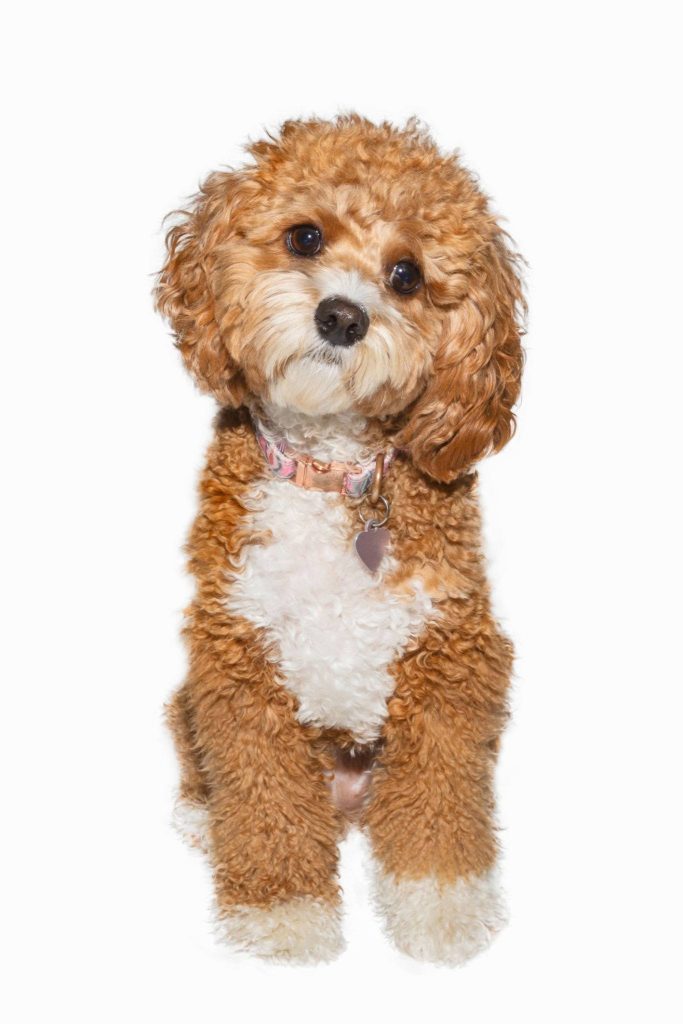
Cavoodle. Source: Lea Scaddan / Getty Images
2. Golden Retriever: A traditional favorite that refuses to fade. The Golden Retriever has reclaimed the runner-up spot nationally. Renowned for their glowing smiles, gentle personalities, and obedience, they are the quintessential family dog for households with outdoor space.
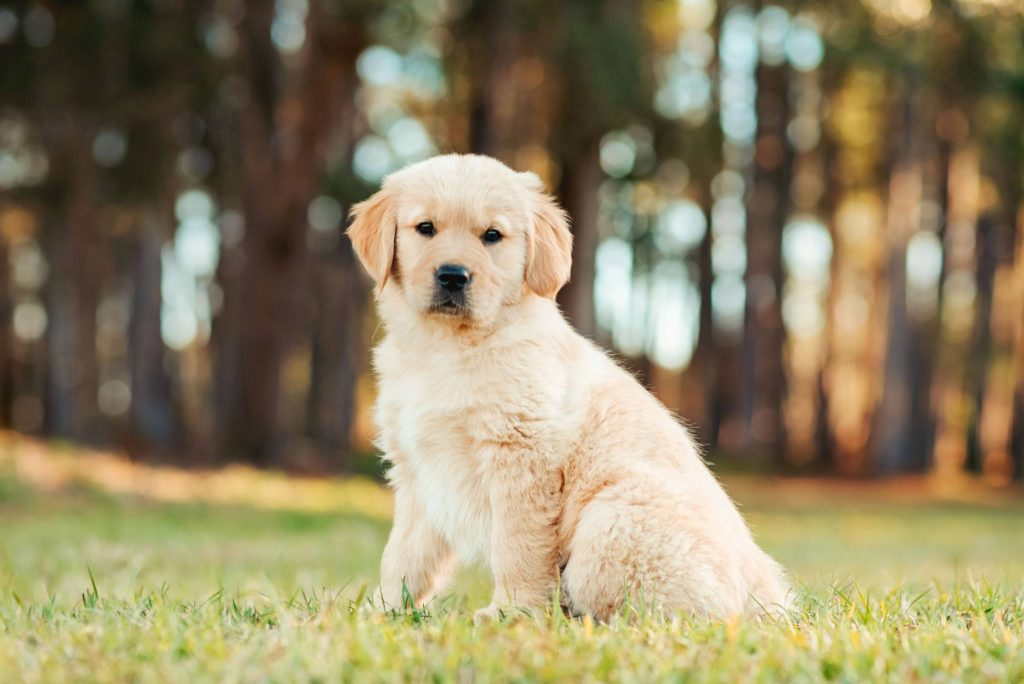
Golden Retriever. Source: Tatyana Consaul / Getty Images
3. Labrador Retriever: Tied closely with the Golden Retriever in popularity, the Labrador remains deeply embedded in Australian culture. They excel as family companions, assistance animals, and beach buddies. While they do shed heavily—especially during the Australian spring and summer—their loyalty and adaptability are unmatched.
4. Border Collie: Reflecting Australia’s strong agricultural roots, the Border Collie holds firm in the top five. These dogs are fiercely intelligent and thrive on mental and physical challenges. While they are a staple on rural properties, they are also highly sought after by highly active suburban households.
5. French Bulldog: Despite health concerns associated with flat-faced (brachycephalic) breeds, the “Frenchie” remains a beloved choice for urban dwellers. Known for their bat-like ears and comical expressions, they require only moderate exercise, making them ideal for apartment living.
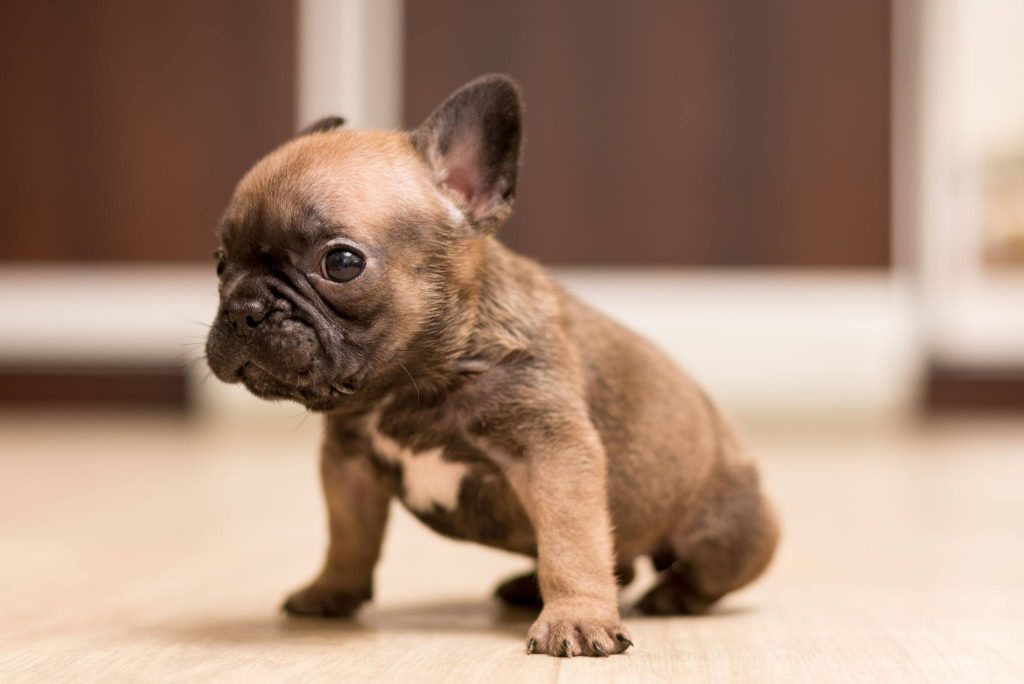
French Bulldog. Source: Sckrepka / Getty Images
Rounding out the top ten are the Groodle (Golden Retriever x Poodle), the Miniature Dachshund, the German Shepherd, the Maltese, and the Staffordshire Bull Terrier.
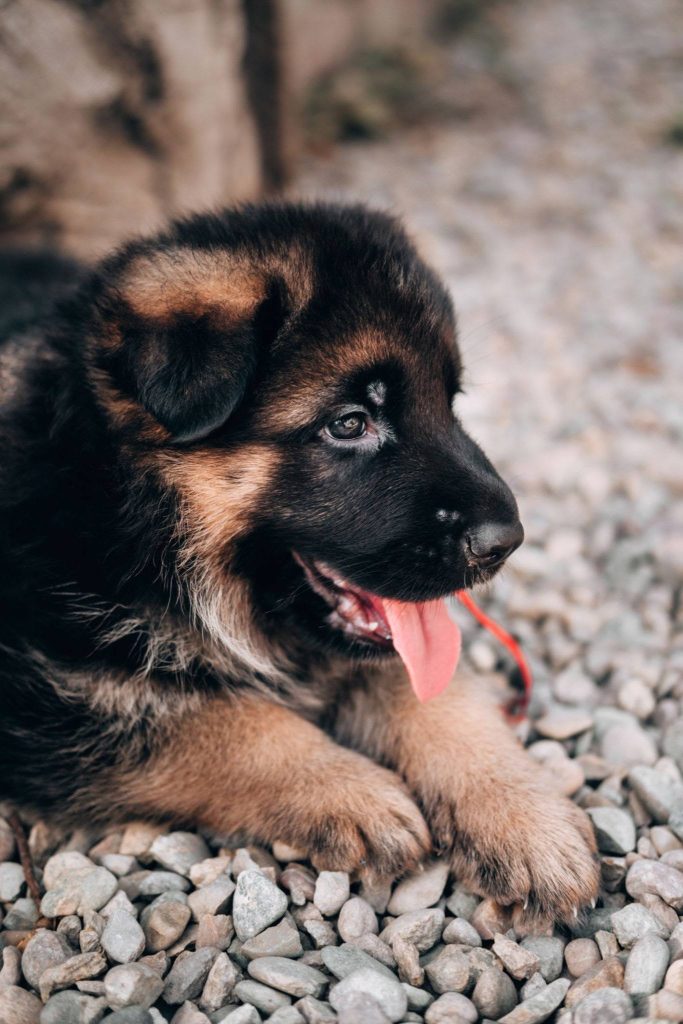
German Shepherd. Source: Ekaterina Kobalnova / Getty Images
Purebreds vs. Designer Crossbreeds
Historically, the top 10 list was almost exclusively populated by purebred dogs recognised by breed clubs. However, the 2026 data indicates a significant shift in the priorities of dog lovers.
While traditional purebred enthusiasts prioritise predictable genetics and strict breed standards, the modern Australian puppy buyer is heavily indexing on “lifestyle fit.” For example, the Groodle is rapidly climbing the charts for families who love the Golden Retriever’s famous personality but simply cannot manage the heavy shedding associated with a double-layered coat. The data shows that Australians are now perfectly willing to step outside traditional pedigree registries if it means finding a dog that better suits an indoor, low-allergy lifestyle.
State-by-State Variations
Australia’s diverse climate and geography mean that a one-size-fits-all approach to dog ownership simply does not exist. Regional search data reveals fascinating local preferences that perfectly mirror the surrounding environment:
| Region | Dominant Trend | Lifestyle Factors |
| New South Wales & Victoria | Cavoodles & French Bulldogs | In highly urbanised states where apartment living is common, small designer dogs reign supreme. They require less square footage and lower exercise volumes. |
| Queensland | Golden Retrievers & Labradors | The sunshine state favors dogs that can handle the heat and love the water. These retrievers fit perfectly into the active, coastal, beach-going lifestyle. |
| South Australia & Northern Territory | Border Collies & Working Breeds | In areas with stronger agricultural ties and rugged environments, working breeds take the lead. Border Collies, German Shepherds, and even Great Danes see massive search spikes here. |
| Western Australia | Staffordshire Bull Terriers | WA shows a unique preference for robust, protective, and highly loyal companions, with Staffies ranking unusually high compared to the national average. |
Health and Financial Realities for 2026
Bringing a puppy home in 2026 requires careful financial planning. The upfront cost of a puppy from a reputable breeder can range anywhere from $800 to $3,500 for standard popular breeds, with rare color variations (such as “blue” French Bulldogs) occasionally fetching upwards of $14,000.
However, prospective owners must look far beyond the purchase price and consider breed-specific health predispositions. For instance, working and large breeds like Border Collies and German Shepherds can be susceptible to joint issues like hip dysplasia. French Bulldogs are prone to skin allergies and respiratory distress; notably, female French Bulldogs frequently require expensive cesarean sections to give birth due to the puppies’ large heads and the mother’s narrow pelvis. Even the wildly popular Cavoodle can be genetically predisposed to certain gastrointestinal conditions.
The Bottom Line
It is overwhelmingly clear that Australian dog owners’ choices are becoming more pragmatic. Australians are tailoring their pet selections to their specific living situations, local climates, and daily routines.
Whether you are drawn to the low-shedding appeal of a Cavoodle, the unwavering loyalty of a German Shepherd, the intelligence of a Border Collie, or the goofy charm of a French Bulldog, the most important factor is aligning the dog’s energy and needs with your reality. Always seek out reputable, ethical breeders, and remember that bringing a dog into your home is a decade-long commitment to your new best friend.
Related posts:



You must be logged in to post a comment.

Dachshund Pet Stairs
$135.99 AUD
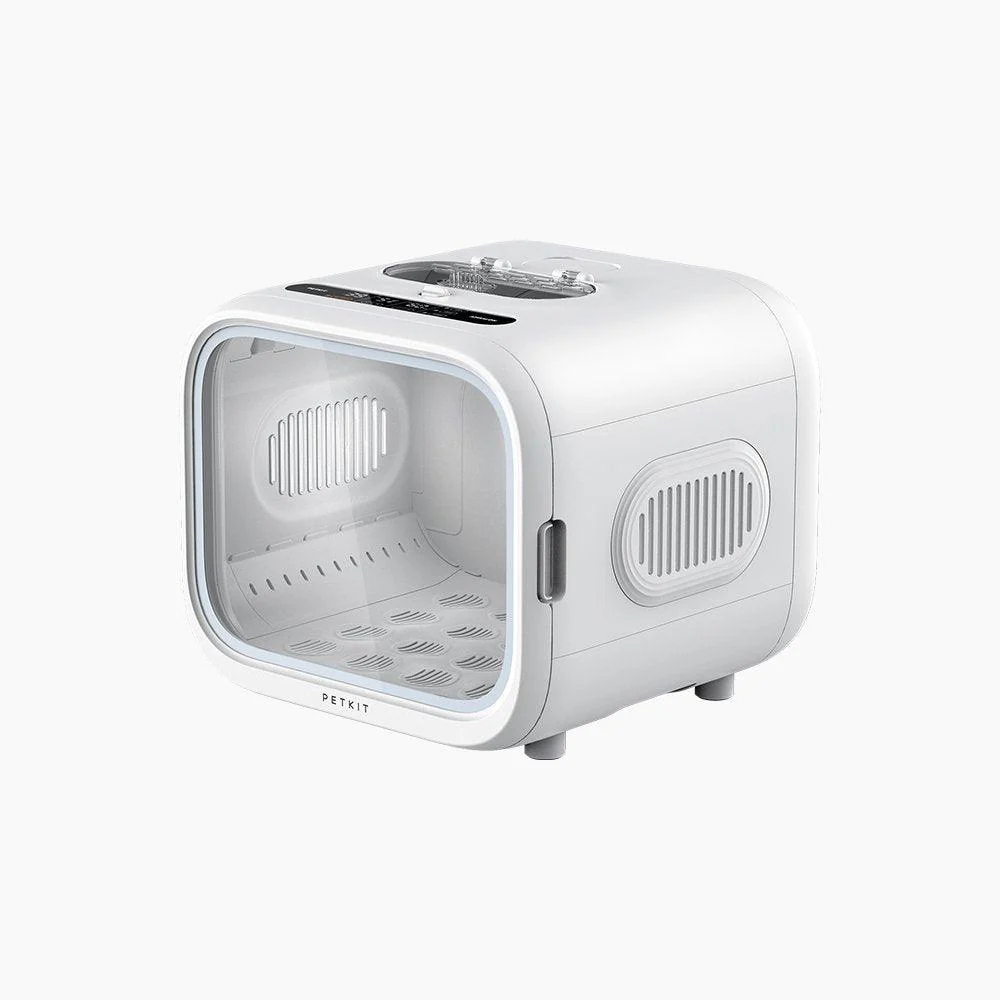
PETKIT AIRSALON Smart Pet Dryer Box
$622.99 AUD
Premium Dog Training Leasg
$29.99 AUD
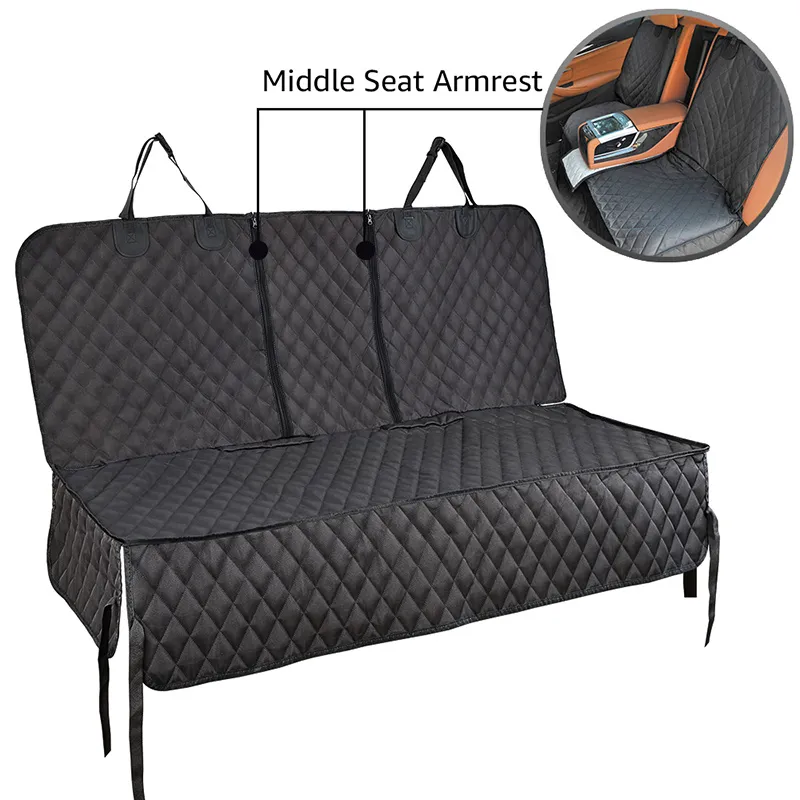
Argyle Dog Car Seat Cover
$87.99 AUD
Durable Pet Carrier
$536.99 AUD