Can I Let My Puppy Sleep with Me?
Quick Answer:
Yes, you can let your puppy sleep with you, but only if they’re old enough, mostly toilet-trained, and it won’t derail their independence. It’s a personal choice with pros and cons, so go with what suits your lifestyle, and build habits that set both of you up for restful nights.
Can I Let My Puppy Sleep with Me?
Your pup’s just landed in your home. Everything’s new—sights, smells, routines. Come nighttime, that little bundle of fur curls up near your feet and lets out a tiny whimper. Suddenly, your bed feels too quiet. Too big. Too empty. One look into those round, sleepy eyes, and you’re wondering: Should I just let them sleep with me?
It’s a question every new puppy owner faces. Sharing your bed can feel natural, comforting, even. But it also sparks debate. Trainers, vets, and seasoned dog owners all have strong opinions. Some say it deepens the bond. Others warn it could derail toilet training or create clingy habits that are harder to fix down the line.
Before you pull back the doona and let your pup snuggle in, it’s worth asking: Is it safe? Is it helpful? And will this make things easier or trickier for both of us down the track?
Is It Safe to Let a Puppy Sleep with You?
Safety comes first, especially when your pup’s still finding their feet. Sharing your bed might feel sweet, but there are a few things worth checking off before you lift them onto the mattress.
Age and size matter. Young pups, especially under 12 weeks, have fragile joints and soft bones. A tumble off the edge in the middle of the night could end in injury. Bigger dogs might manage early on, but smaller breeds can disappear under blankets or pillows without much warning.
Vaccination status counts too. Until your pup has finished their full course of shots, they’re more exposed to viruses. If your bedding has seen the outside world, it might carry germs that don’t mix well with a young immune system.
Toilet training isn’t automatic. Even if your puppy nails it during the day, holding it in overnight is a different story. If your pup hasn’t built the bladder strength to last the night or the habit to signal they need out, you’re likely to wake up with more than a cuddle companion.
Night wriggles and restless legs. Puppies kick. Puppies chew. Puppies scratch without meaning to. Sharing a bed too early might mean someone ends up with a paw in the face or a surprise nip mid-dream.
In short, it’s possible, but only if you weigh up the risks and feel confident your puppy’s ready. If not, don’t stress. There are plenty of ways to sleep nearby without giving up your own space just yet.
What Are Pros of Letting a Puppy Sleep in Your Bed
Few things feel better than curling up with a warm, snoring puppy tucked under your arm. For many Aussies, that closeness becomes the highlight of the day. And it’s not just about comfort. Sharing a bed with your puppy can offer some genuine benefits.
It strengthens your bond. Puppies are wired for connection. Sleeping beside their human can help them settle quicker into their new home. That skin-to-fur contact, even through the doona, reinforces trust and affection, which lays the groundwork for future training and socialisation.
Separation anxiety softens. For pups that fret when left alone, sharing your bed can work as a kind of emotional buffer. It gives them a sense of security, knowing you’re close. That peace can lead to better sleep for them and you.
It can soothe your own nerves. New puppy parenting comes with a fair bit of stress: “Are they breathing?” “Did they pee again?” “What was that noise?” Having them within arm’s reach makes night checks easier. It also helps you recognise their signals sooner, like if they’re unwell or need to toilet.
Many owners sleep better. The gentle rhythm of your pup’s breathing can work like white noise. And once they’ve stopped wriggling and found their favourite nook, both of you might snooze better knowing you’re safe and snug together.
Of course, there’s a flip side to all this comfort, which we’ll cover next.
What Are Cons to Consider
As comforting as it feels to snuggle up with your pup, letting them into your bed doesn’t always lead to sweet dreams. There are a few things to weigh up before flinging open the doona and patting the pillow.
Interrupted sleep. Puppies fidget, twitch, stretch, and squeak. Some burrow under blankets. Others sprawl like they own the mattress. All of it means you’re likely to lose a bit of shut-eye, especially during those first few weeks when they’re still adjusting to new surroundings.
Toilet training takes a hit. A pup that sleeps in your bed might struggle to hold through the night or skip giving you signs they need to go. You’ll either wake up to a wet patch or confuse their toilet schedule, which sets back your progress. And let’s face it, changing your sheets at 3am isn’t anyone’s idea of fun.
It can feed dependence. If your pup learns they can’t fall asleep without you beside them, it may lead to clingy behaviours during the day. Barking when left alone. Whining at closed doors. Refusing to nap unless they’re touching you. That sort of attachment can turn into separation distress down the track.
Hygiene and health matters. Puppies step in all sorts. They scratch, lick, and shed. Even the cleanest dog brings a bit of the outside world into your bed, especially if they’re not fully vaccinated yet. And if you’re a light sleeper, one flea bite or muddy pawprint could leave you tossing for hours.
Not all households are the same. If you’ve got young kids, a partner with allergies, or a dog that might grow to 40 kilos, co-sleeping could create more issues than comfort.
What Do Vets and Trainers Recommend?
Most Australian vets and dog behaviourists won’t tell you yes or no straight off the bat—but they’ll point out that timing, safety, and consistency matter more than the sleeping spot itself.
Dr Kate Mornement, an animal behaviourist based in Melbourne, often reminds new puppy owners that allowing a puppy to sleep on the bed can cause them to think that bed is theirs. “Dogs that are allowed to sleep on the bed are more likely to guard the bed as a resource, even from pets or from a partner,” she says.
Veterinarians usually focus on the health side. Puppies under 12 weeks who haven’t completed their vaccinations may be more vulnerable to germs, and it’s best to avoid close sleeping if your pup has picked up a bug or parasite.
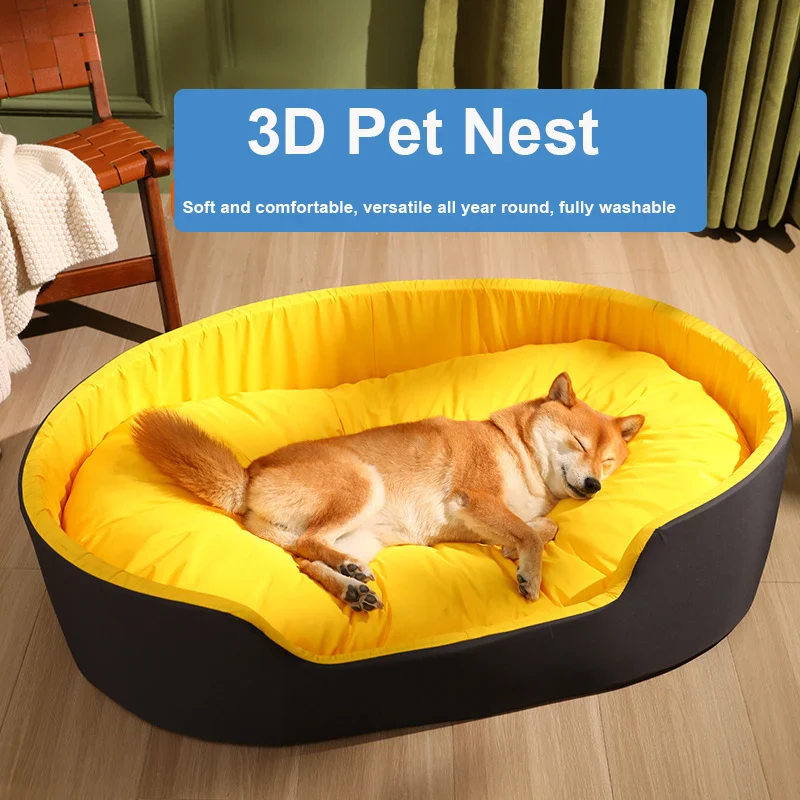
Many trainers lean towards keeping pups nearby but not necessarily in the bed at least for the first few weeks. That might mean a crate beside your bed or a comfy dog bed within arm’s reach. This gives the puppy security while still helping you guide their toilet routine and sleep schedule.
Bottom line? Experts don’t all agree on where your pup should sleep, but they do agree it should be a plan, not an accident of exhaustion.
Listen to Your Puppy, and Yourself
There’s no one-size-fits-all answer to the bedtime dilemma. Some puppies thrive curled beside you; others do better with their own space and routine. What matters most is safety, consistency, and choosing a setup that works for your household. Whether your puppy snoozes under the doona or settles nearby in a crate, a calm bedtime routine helps everyone sleep better, including you.
Related posts:




You must be logged in to post a comment.

Dachshund Pet Stairs
$135.99 AUD
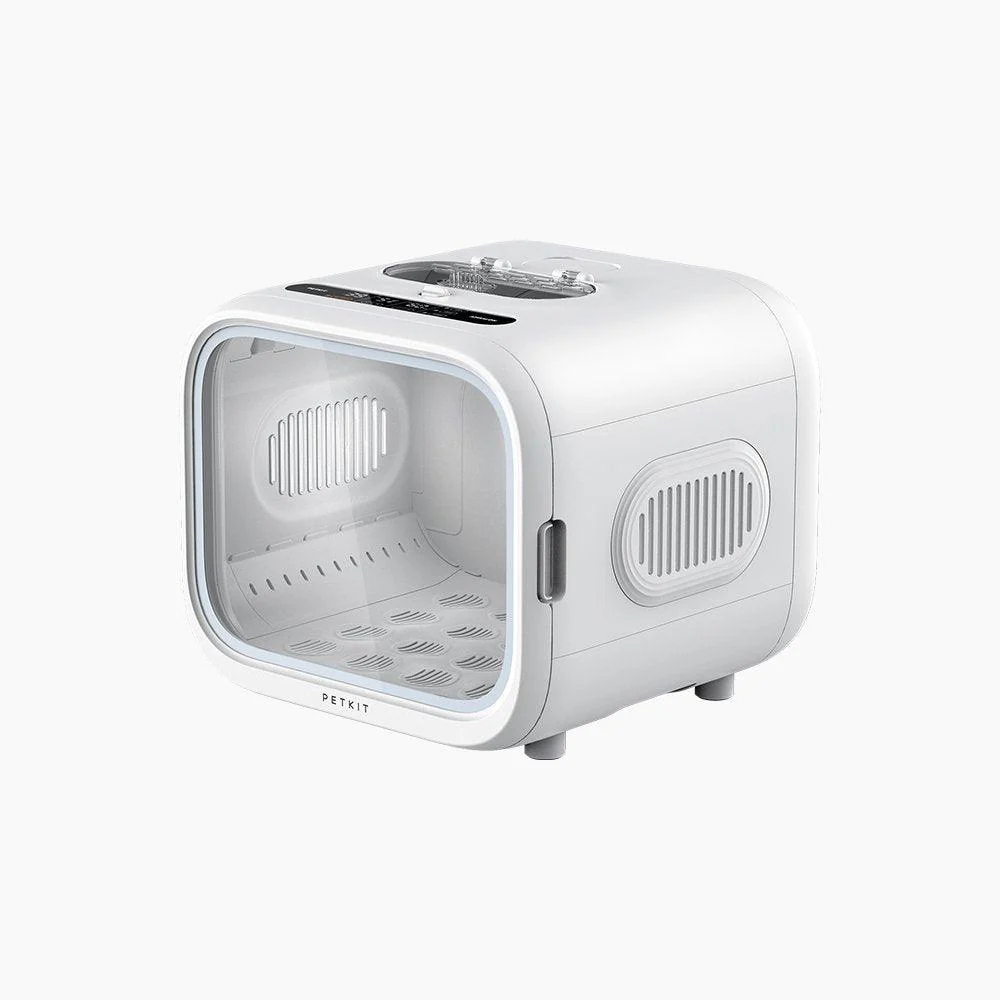
PETKIT AIRSALON Smart Pet Dryer Box
$622.99 AUD
Premium Dog Training Leasg
$29.99 AUD

Argyle Dog Car Seat Cover
$87.99 AUD

Durable Pet Carrier
$536.99 AUD