Caring for Animals: A Practical Guide for Responsible Pet Owners
Bringing an animal into the home is a significant commitment that entails real responsibility. The level of care that an animal receives while living in a household will have a profound impact on its physical health, emotional wellbeing, and behaviour for its entire life. Pets who receive proper and loving care live longer, have fewer health issues and be more bonded to their owners.
Caring for animals in a contemporary household involves much more than just feeding and providing a roof over the animal’s head. Animals have particular requirements that are specific to their species, and animals also need to be aware of the environment they are in and that it is a caring environment, and not one in which they feel threatened or scared.
This manual provides relevant information for responsible and informed pet care for Australian pet owners throughout the lifespan of their pets.
Understanding Animal Needs at Every Life Stage
Animals’ physical and emotional needs change with age, species and individual variation. A growing kitten needs more meals and more play than a geriatric cat, and a young Border Collie needs a great deal more exercise than an identical aged Cavalier King Charles Spaniel.
The most important tool in your day-to-day animal care kit is observation. Time spent with animals will help you learn what is normal for them so that any change in appetite, energy level, behaviour or appearance can be rapidly detected. These subtle changes are often the first sign of a problem before it becomes serious. Understanding your animal’s body language and sounds will help you meet your animal’s needs with confidence.
Daily Care Essentials for Animals
Nutrition and Feeding Basics
Feeding the proper diet to animals is the foundation of keeping them healthy. Dogs, cats, birds, rabbits, and other pets have different dietary requirements based on their biology. Cats require animal protein and taurine because they are obligate carnivores; rabbits are herbivores that require a high-fiber diet based on hay and greens.
Be sure to research the dietary requirements of your pet depending on their life stage before selecting food.
Commercially prepared diets that are balanced and formulated for your pet’s age and size make pet feeding convenient, but always check ingredient quality and consult your vet if your pet has any health problems or allergies. Always provide access to fresh water, and wash water bowls daily to limit bacterial growth.
Establish a routine feeding schedule instead of free-feeding (food always available) your pet. Free-feeding can contribute to obesity, and it does not aid in toilet training or digestion. Some other pet feeding practices to avoid include overfeeding dogs with treats, feeding pets inappropriate human food (such as chocolate, onions, or grapes), and switching diets abruptly instead of gradually.
Clean Living Spaces
Hygiene is also important in preventing disease and keeping animals comfortable. Beds should be laundered, food and water bowls cleaned daily and litter trays scooped at least once per day with complete change weekly. Unsanitary conditions can lead to bacteria, parasites and odours that affect animals and humans.
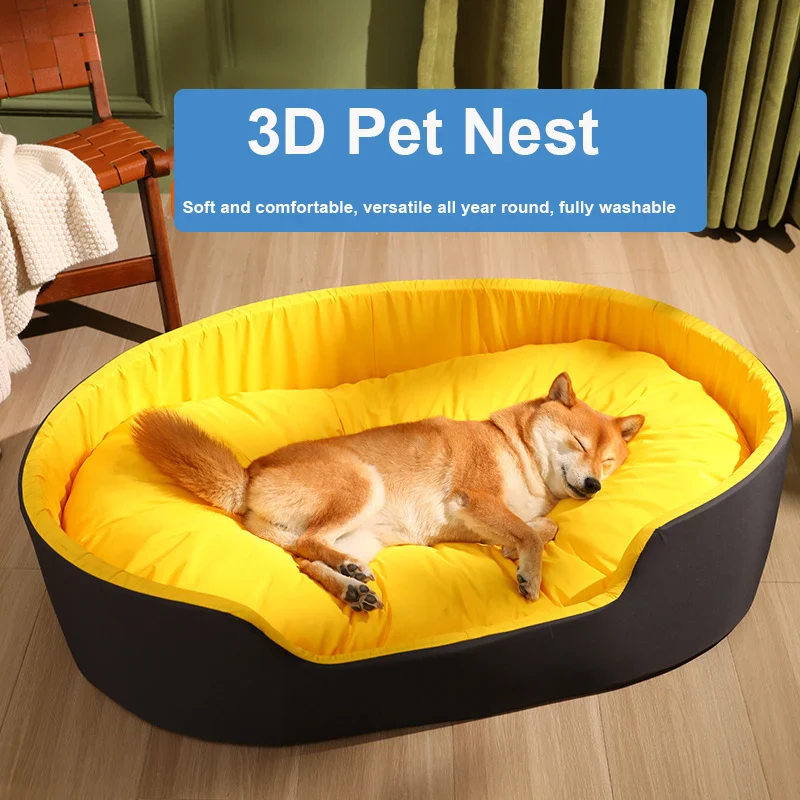
If you’re keeping an animal indoors, it will need a place to lie down. If the animal is kept outdoors, it will need a shelter from the elements, shade in summer and a dry, insulated sleeping area in winter. If you’re going to keep an animal indoors and outdoors, consider how the animal will transition between these environments so that it does not become stressed or exposed to extremes of temperature.
A safe, non threatening environment can be set up by removing hazards (toxic plants, electrical cords etc.), making chemicals inaccessible, and providing cover for animals that may be shy by nature. A predictable routine and quiet environment will help sensitive or anxious pets feel more at ease.
Health Care and Preventative Support
Routine Vet Care
Routine veterinary appointments are also necessary to monitor your pets for health issues and to keep them updated on vaccinations and parasite control. Puppies and kittens will require more frequent visits during their first year, but adult pets should still plan to see the vet at least once a year. Senior pets may only need to be seen every six months since they are more prone to age-associated diseases.
Look into vaccines for parvovirus, distemper, and feline enteritis. Vaccines depend on your vet and your pet’s lifestyle. Make sure you get flea and tick prevention, heartworm prevention, and deworming for intestinal worms since they can become sick if not treated regularly.
Watch for early symptoms of illness, such as changes in appetite or thirst, lethargy, vomiting, diarrhea, trouble breathing, limping, or lumps on your pet’s body. Any unusual behaviour could indicate your pet is sick or injured, so if your pet is being unusually aggressive, hiding from you, or overly vocal, check with your veterinarian. It never hurts to be overly cautious about these things. You will save more money in treatment costs with early intervention versus ignoring something that may be minor.
Grooming and Physical Maintenance
Grooming requirements vary by species and breed. Longhaired dogs and cats require brushing to prevent matting and excessive shedding but shorthaired ones may only require minimal grooming. Requirements may also vary by whether the dog is a breed that requires grooming every 6-8 weeks (e.g., Poodles or Bichon Frises) as opposed to many cats who can do it all themselves.
Grooming includes skin care, checking for infections in ears, cleaning teeth (as dental disease is common in companion animals and often leads to significant morbidity) and nail trimming (unless they wear down naturally). You may wish to add tooth brushing for dogs or dental chews to your routine.
When handling animals, be gently, use restraint, and reward them; make this a positive experience. Do not force an animal into an unnatural position or continue if they show signs of extreme distress. For procedures like nail trimming and ear cleaning which most pets do not like, you may wish to seek the assistance of a groomer or vet nurse.
Emotional Wellbeing and Behaviour
Animals are creatures of habit. They like to be fed at the same time each day, exercised, and have their environment maintained at a constant level. Routine and living environment changes can cause stress and behaviour problems in animals, so try to introduce changes, where possible, at a gradual pace.
Interaction is important not just for the animal’s socialisation but also for developing and maintaining the bond between you and your pet. Many dog breeds are highly social and can experience separation anxiety if left alone for too long, whilst others, such as some cat and rabbit breeds, are more solitary but still require interaction and handling every day.
Animals show they are stressed using body language. For example, dogs may start panting or pacing and may become reluctant to make eye contact with you when they are nervous, while cats may flatten their ears, swish their tails or urinate outside the litter box. Recognising these signs means that you can alter the environment or situation before the stress escalates into fear or aggression, resulting in behaviour problems.
Many common behaviour problems can be resolved with some patience, positive reinforcement and, if necessary, the help of a professional animal behaviourist.
Exercise, Enrichment, and Mental Stimulation
Physical activity helps animals to maintain a healthy body weight, heart, joints and digestive system. The amount and intensity of exercise required will vary enormously between species, breeds, ages and even temperaments. Working dog breeds like Australian Shepherds or Kelpies may need two or more hours of vigorous exercise every day, while elderly pets and brachycephalic (flat-faced) breeds will appreciate shorter, less demanding sessions of exercise.
Mental exercise is just as essential to prevent boredom and resulting destructive behaviour. Puzzle feeders, training, scent work and interactive playtime can all provide mental exercise and benefit your bond with your pet.
Cats appreciate vertical space, scratching posts and toys that mimic prey behaviour. Small mammals like guinea pigs enjoy tunnels and platforms in their cage, and safe opportunities to explore outside their cage.
Responsible Ownership and Long-Term Commitment
Owning a pet requires a long-term commitment of 10 to 20 years or more, depending on the animal. Before adopting or buying an animal, be sure you have the time and resources to devote to that animal for years to come. Consider the cost of providing quality food, regular vet care, emergency care, grooming, boarding, and supplies.
Planning ahead for when you’ll be away on holiday, sick, or in an emergency can give your pet consistent care even when you cannot directly care for them. Have a list of trusted people who you can call on if needed.
If your pet gets older, be prepared to increase vet visits and shoulder more costs. If you find yourself in a position where caring for animals is difficult, please do not abandon it; instead, find a new home or rescue organisation that can help them find a suitable new home.
How PetsForHomes Supports Caring for Animals
PetsForHomes.com.au connects prospective pet parents with available pets all around Australia looking for forever homes. If you decide to explore this site, be sure that you make a responsible and informed decision regarding your next pet.
You’ll be able to access all sorts of listings that can help you identify the age, personality, health status and requirements of each available pet so that you can look through options that may suit your household.
PetsForHomes.com.au is much more than just the listed different pets in its database. This website has a ton of information for first-time pet owners and even veteran pet parents. You can read articles and guides on practical pet care, health issues, behaviour problems and more, so you can make informed choices regarding your pet.
Related posts:




You must be logged in to post a comment.


Dachshund Pet Stairs
$135.99 AUD

PETKIT AIRSALON Smart Pet Dryer Box
$622.99 AUD
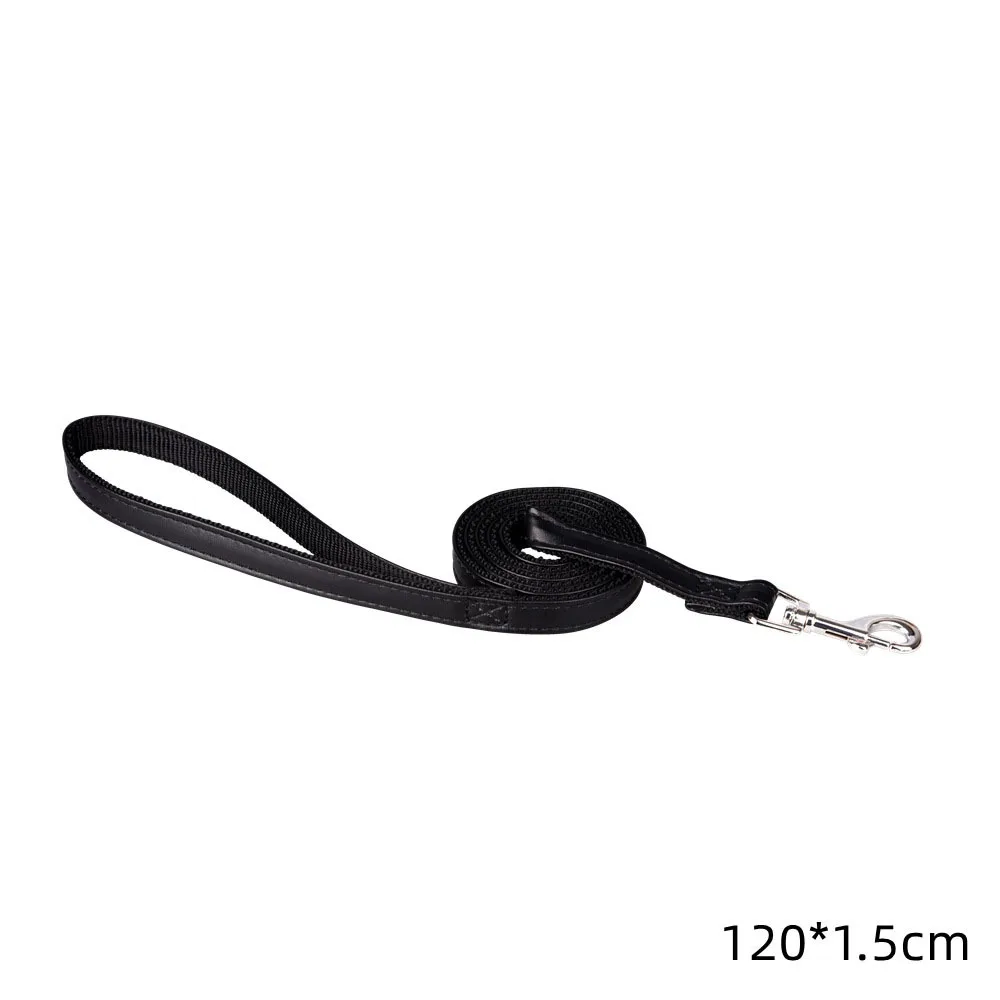
Premium Dog Training Leasg
$29.99 AUD

Argyle Dog Car Seat Cover
$87.99 AUD
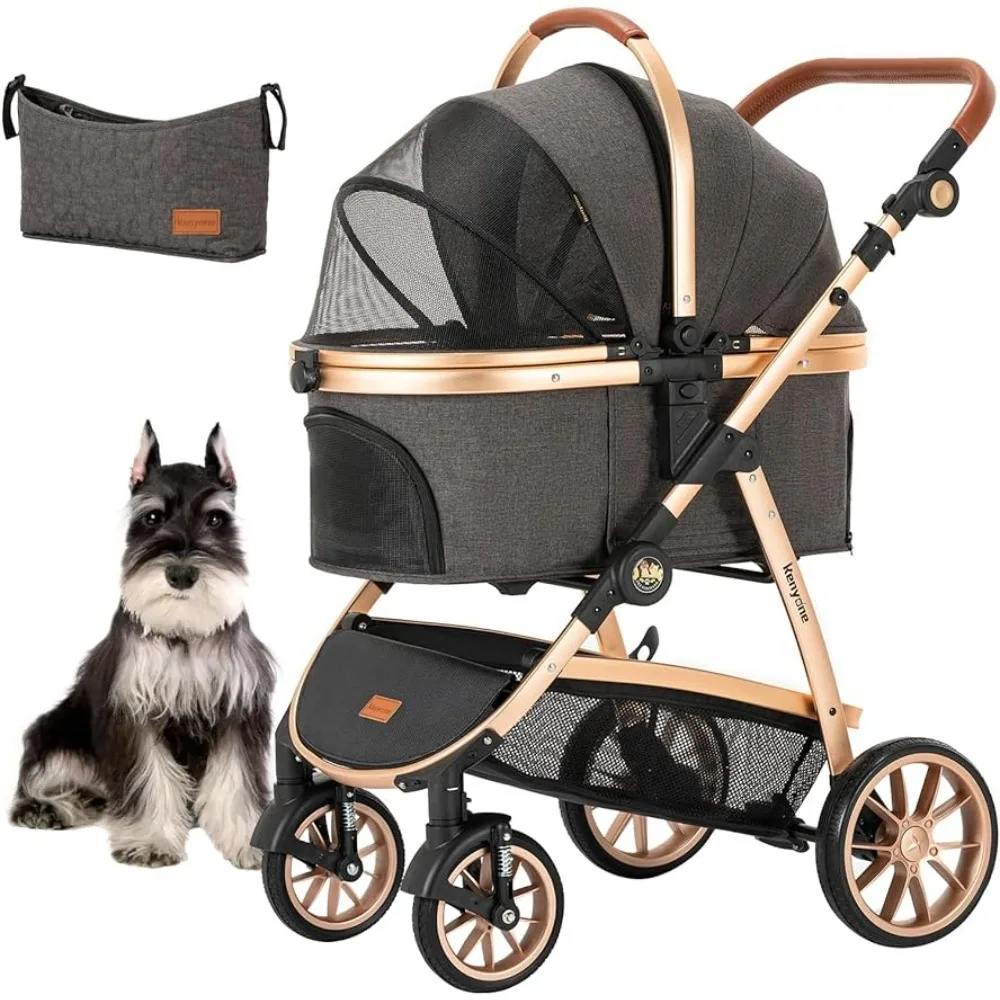
Durable Pet Carrier
$536.99 AUD