Do Tibetan Mastiffs Make Good Family Pets
Thinking about bringing home a Tibetan Mastiff? This article explores their temperament, suitability for homes with children, care needs, and what families should know before welcoming this powerful and independent breed.
Understanding the Tibetan Mastiff’s Temperament
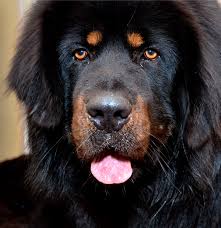
The Tibetan Mastiff has a long history as a guardian of livestock and monasteries in the Himalayas. This background has shaped their temperament: independent, protective, and deeply loyal to those they consider their own. They bond closely with their families but often remain aloof with strangers, a trait that can be both a strength and a challenge in a household setting.
Unlike many breeds that crave constant human attention, Tibetan Mastiffs value their autonomy. They’re affectionate in their own way but not overly clingy. Their protective instincts run deep, which makes them excellent watchdogs but can also lead to territorial behaviour if not managed correctly.
For families, this means they often thrive in environments where boundaries are clear. They respond well to calm, consistent leadership and will respect rules when they see their owners as confident decision-makers.
How Tibetan Mastiffs Interact with Children
Tibetan Mastiffs can develop strong nurturing bonds with children when raised in that sort of family environment. Many owners describe them as gentle giants when they’re properly socialised. However, their size and strength make them better suited for homes with older kids who know how to handle dogs.
For families that have younger kids, it’s important to exercise caution and train your Tibetan Mastiff to be extra careful with very young kids. Early training and supervision can help ensure safe interactions.
Teaching children how to respect the dog’s space—avoiding ear pulling or climbing—is equally important.
The breed’s natural guarding instincts may also come up when owners have friends over, especially when they’re young rowdy kids. A Tibetan Mastiff may misinterpret rough play as a threat.
When well-socialised, Tibetan Mastiffs can distinguish between normal household activity and genuine danger, making them reliable companions around children.
Tibetan Mastiffs and Other Pets
Tibetan Mastiffs can coexist peacefully with other pets, but this depends a lot on early socialisation and careful introductions. Their history as livestock guardians means they have strong territorial instincts and may view anything unfamiliar as a threat.
When raised with other dogs, Tibetan Mastiffs learn to develop stable relationships. However, they can tend to assert dominance over same-sex dogs, especially males. They tend to prefer calm, non confrontational companions.
Some Tibetan Mastiffs can adapt well to sharing a home with cats if they’re put together at a young age, but be careful when introducing them later on because cats can stimulate the Mastiff’s prey drive. Supervise interactions carefully.
People should also consider the breed’s protective nature when going to shared spaces like dog parks. They can intimidate other dogs, stimulating other dog’s aggressive tendencies.
Training, Socialisation, and Suitability for Family Life
Tibetan Mastiffs are intelligent but very independent, which can make training a challenge for first-time dog owners. They respond best to patient, consistent methods and clear boundaries rather than harsh corrections. Early obedience training is essential, starting from puppyhood, to manage their guarding instincts and establish good manners.
Socialisation is equally important. Exposing them to a range of people, animals, and environments early on helps reduce their suspicion of strangers and ensures they remain well-balanced family companions.
For families, Tibetan Mastiffs are best suited to homes with space—a secure yard is ideal. They do not thrive in apartment living or environments with constant visitors, as their protective nature can become stressful in high-traffic households. In the right setting, they make calm, devoted family dogs who will watch over their loved ones with unwavering loyalty.
Care Requirements: Exercise and Grooming
Tibetan Mastiffs have moderately high energy. They will require daily walks and will enjoy off-leash playtime but do not really need vigorous exercise like other working breeds as this can lead to injury. Keep them entertained to avoid boredom because this can lead to unwanted behaviours.
They have thick double coats that will need regularly brushing to prevent matting, and especially during shedding season where they can spread hair around the house. Bathing is infrequent but necessary when their coat becomes dirty, and routine care—like nail trimming and dental hygiene—should be part of their upkeep.
These dogs also do best in a secure outdoor space, as their guarding instincts make them natural guard dogs.
Conclusion: Are Tibetan Mastiffs Right for Your Family?
Tibetan Mastiffs can be excellent family pets, but they are not suited to every household. Their loyalty and protective instincts make them deeply devoted companions, yet those same traits demand confident ownership, clear boundaries, and early training. Families with older children, a lot of space, and experience handling dogs are best suited for Tibetan Mastiffs.
For those ready to invest the time in socialisation, grooming, and structured care, Tibetan Mastiffs are affectionate, loyal, and good companions.
Before committing to a dog, make sure you meet with reputable breeders or rescues. Ask about the temperament of the parents and about their socialisation practises.
Related posts:




You must be logged in to post a comment.

Dachshund Pet Stairs
$135.99 AUD
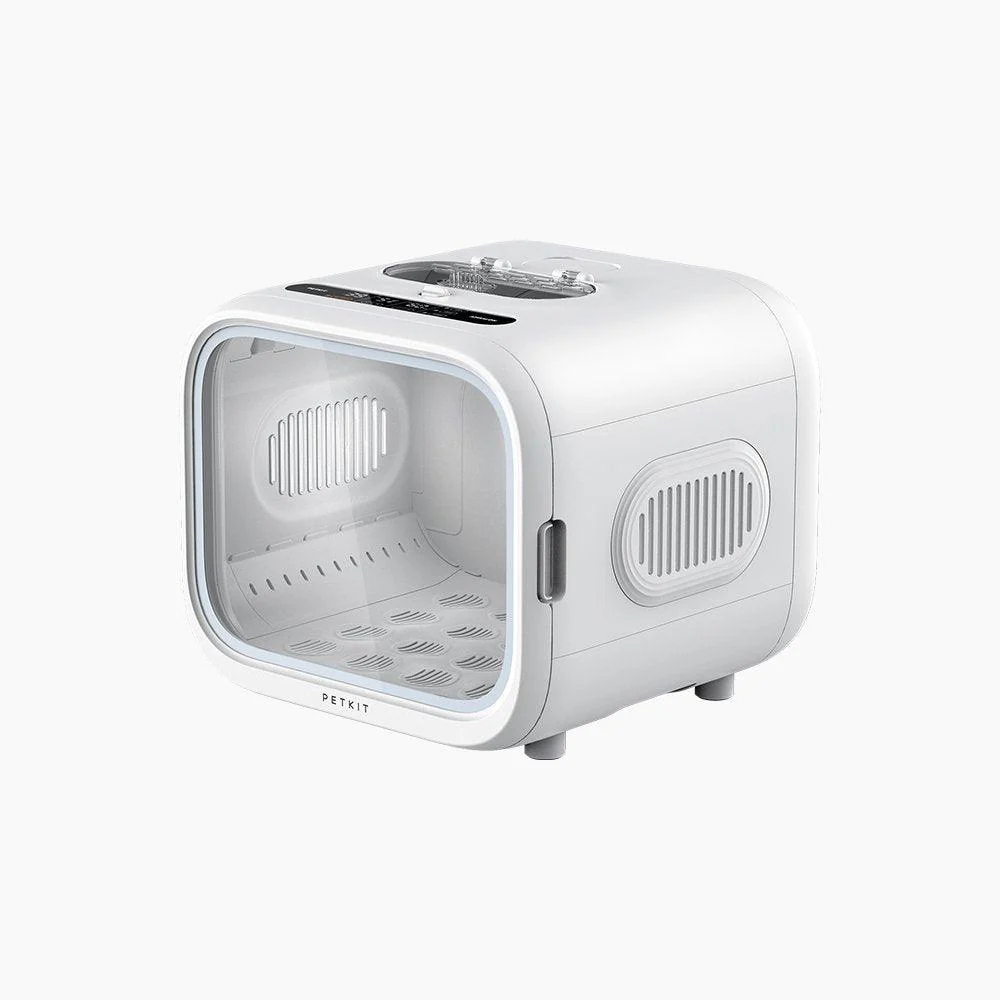
PETKIT AIRSALON Smart Pet Dryer Box
$622.99 AUD
Premium Dog Training Leasg
$29.99 AUD

Argyle Dog Car Seat Cover
$87.99 AUD
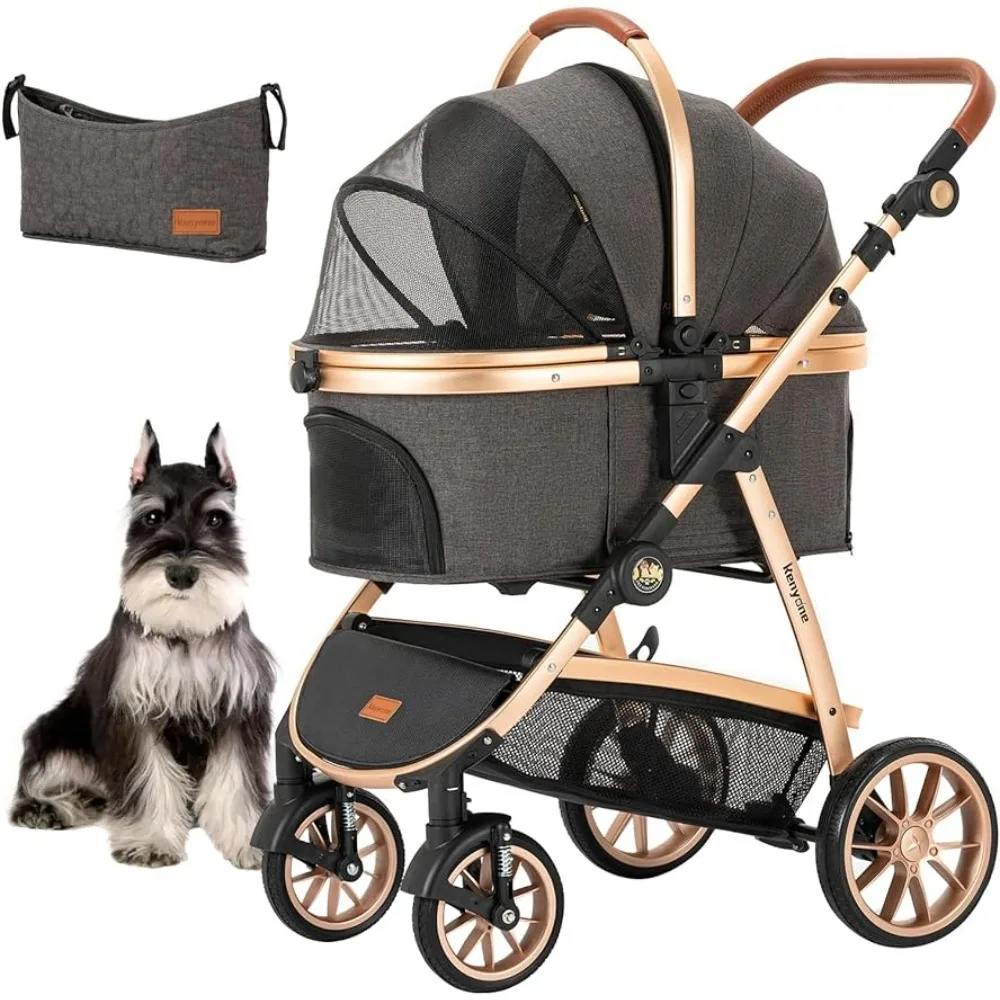
Durable Pet Carrier
$536.99 AUD