Dog Separation Anxiety: Signs, Causes & How to Help Your Dog Cope
Does the sound of your car keys send your dog into a panic? Do your neighbours complain about excessive barking when you’re at work? Your dog may be suffering from dog separation anxiety. This is one of the most common behavioural problems of dogs, but is very manageable if you know what to do!
What Is Dog Separation Anxiety?
Dog separation anxiety refers to the situation in which a dog experiences emotional distress when its owner or handler is not present.
The distresses can potentially lead to your dog misbehaving, like chewing on your favourite couch or tearing up your pillows. But it’s important to note that they’re not being angry at you, they’re actually having a panic attack.
Signs of Dog Separation Anxiety
Symptoms typically begin within 30 minutes of you leaving and may include:
- Excessive barking, howling, or whining
- Destructive behaviour — chewing furniture, scratching doors, digging
- Attempts to escape the house or yard
- Pacing, restlessness, or repetitive behaviours
- Toileting indoors (even in house-trained dogs)
- Refusing to eat or drink while you’re away
- Excessive drooling or panting
- Clingy or ‘velcro dog’ behaviour when you’re at home
If you’re not sure whether your dog has separation anxiety, put a pet camera on them and watch the footage later on. Watch how they react to you leaving. The behaviour is usually easy to spot once you see it.
What Causes Separation Anxiety in Dogs?
There isn’t always a single clear cause, but several common triggers include:
Change in Routine
Just like us, dogs thrive on routine. When those routines suddenly change – perhaps due to a new job, a move, the kids going back to school, or returning to the office after working from home – dogs who aren’t used to being alone can start to feel anxious.
Rehoming or Adoption
Rescue dogs, in particular, may arrive with pre-existing anxiety related to abandonment or trauma. Even well-loved dogs can struggle with the transition to a new home and new owners.
Breed Predisposition
Some breeds are naturally more prone to separation anxiety, including Labrador Retrievers, Border Collies, German Shepherds, Vizslas, and Toy breeds. These dogs were often bred to work closely alongside humans — being alone feels deeply unnatural to them.
Lack of Socialisation
Puppies who were not gradually introduced to alone time during their critical socialisation window may grow into adults who struggle with isolation.
How to Help a Dog With Separation Anxiety
The treatment approach depends on the severity of the anxiety. Here are strategies that work:
1. Desensitisation and Gradual Alone Time Training
Be the most effective in the long run if you slowly get your dog accustomed to being alone over time, starting with very short periods (even 30 seconds), and then gradually increasing the length of time you leave them alone. Never leave them alone for longer than they can handle, even when you’re doing this training.
2. Don’t Make a Big Deal of Arrivals and Departures
Calm, low-key hellos and goodbyes help signal that coming and going is no big deal. Avoid lengthy, emotional farewells — they can actually heighten anxiety rather than reassure your dog.
3. Create a Safe, Enriching Environment
When you’re away, make sure to provide puzzle feeders, enrichment toys (such as a frozen Kong), or chews to keep your dog’s mind busy.
Additionally, providing your dog with a comfortable, familiar space in the home can make him feel secure.
4. Exercise Before You Leave
A well-exercised dog is a calmer dog. Take your dog for a walk or play a game of fetch before you head out. A tired dog is far more likely to settle down and sleep than to pace and panic.
5. Consider a Dog Walker or Doggy Daycare
For cases of moderate to severe anxiety, one of the solutions is reducing the amount of time your dog spends alone. This can be accomplished through visits by a dog walker or friend, through regular doggy daycare,
6. Try Calming Aids
Products that are designed to calm down dogs and reduce anxiety can often be helpful. Examples include Adaptil, which is a synthetic pheromone that mimics the calming pheromones mother dogs release to puppies, or calming music playlists that have been created specifically for dogs.
7. Seek Professional Help
If your dog’s anxiety is severe — meaning they are injuring themselves, causing serious property damage, or unable to cope at all — it’s time to speak to a veterinarian or a qualified veterinary behaviourist. In some cases, medication may be recommended alongside behaviour modification to give your dog the best chance of improvement.
What About Getting a Second Dog?
You might have heard that getting a second dog can help with separation anxiety. If your dog’s separation anxiety specifically refers to them being separated from you, a second dog won’t fix the problem. It’s worth speaking with a behaviourist before making this decision.
Preventing Separation Anxiety in Puppies
The best time to prevent dog separation anxiety is during puppyhood, During this time, you can all but guarantee that your dog will not get anxious!
Teach them that being alone is safe and normal is crucial – because it absolutely is, and that you will always come back.
You’re Not Alone — and Neither Is Your Dog
Feeling overwhelmed by dog separation anxiety is understandable, especially when it’s impacting their quality of life. However, with consistency, compassion, and the right guidance, most dogs can learn to feel safe and comfortable on their own.
Need help finding the right dog for your lifestyle? Browse our listings at petsforhomes.com.au — where every pet deserves a great home.
Related posts:




You must be logged in to post a comment.


Dachshund Pet Stairs
$135.99 AUD
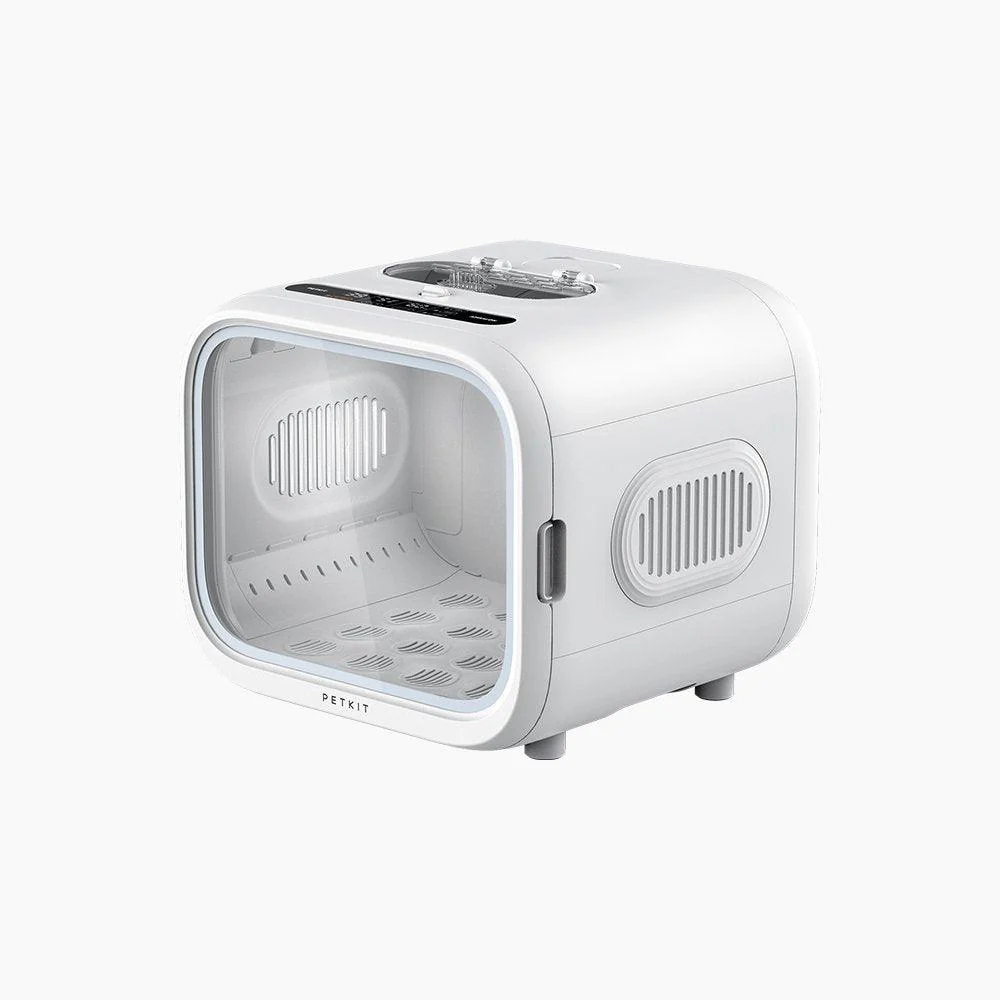
PETKIT AIRSALON Smart Pet Dryer Box
$622.99 AUD
Premium Dog Training Leasg
$29.99 AUD
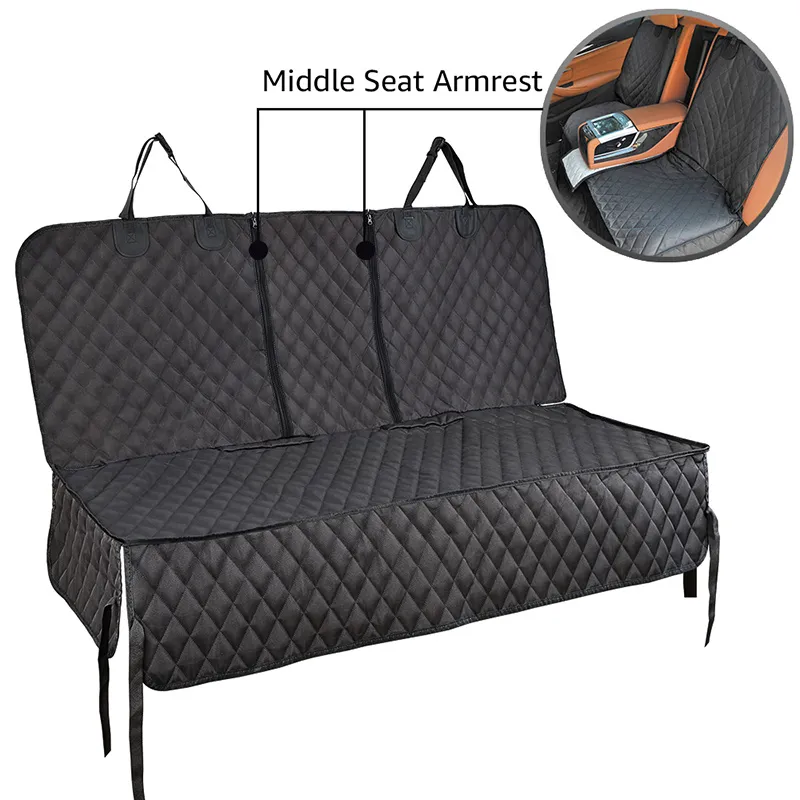
Argyle Dog Car Seat Cover
$87.99 AUD
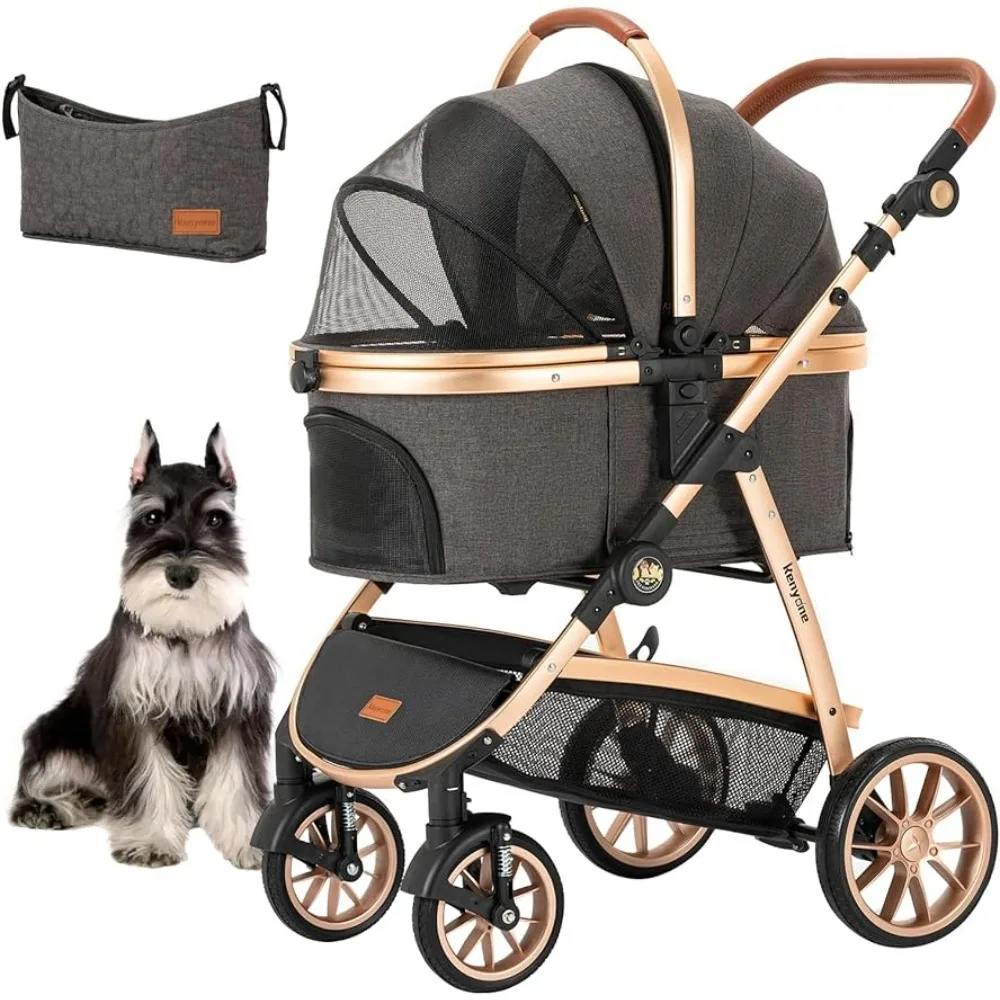
Durable Pet Carrier
$536.99 AUD