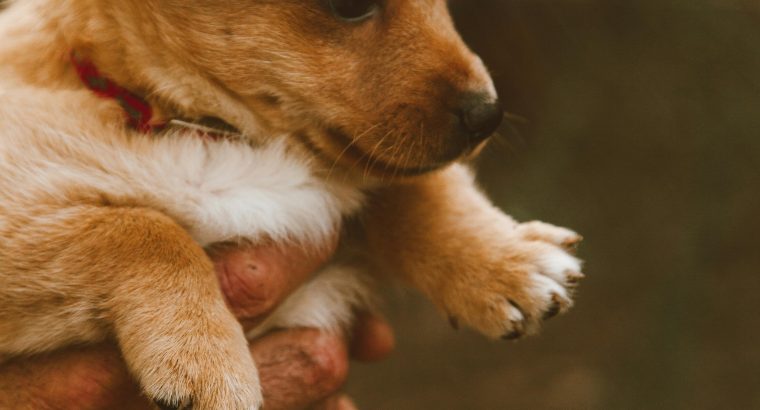
Essential Puppy Care Advice for New Pet Parents
Bringing a new puppy home is one of the most exciting times in life, but it can be overwhelming, too! The first few weeks and months of puppy care are essential to setting your new canine buddy up for a wonderful and healthy life ahead. Whether this is your first puppy or you already have a dog pack at home, it’s essential to have some good puppy care advice!
Creating a Safe Space for Your New Arrival
Before your puppy even steps foot inside your home, you’ll need to create a safe space for him (puppy-proofing your house may not be enough; you should also puppy-proof your furniture). You can think of it as creating a nursery for your new family member.
Find a quiet area of your home where your puppy can go when he’s had enough of the rest of the (busy) household. A crate or bed with some soft blankets will do. Then make sure that the area is puppy-proofed. Put up puppy-proof barriers so your puppy can’t get into areas that are off-limits, and puppy-proof the area itself.
Puppies are little (and very curious) explorers, and they will chew on anything they can reach. Get down on your hands and knees and look at the world from a puppy’s perspective. You will be amazed at what you find that could be dangerous! A little bit of pre-puppy diligence here will save you hundreds of emergencies later!
Nutrition: Building Blocks for Growth
Good puppy care involves proper nutrition. Give your puppy a special nutrient-rich puppy diet. No adult dog food for these little guys! Puppies need a different level of protein, fat, and nutrients, such as DHA to nourish those growing brains.
Feed puppies regularly throughout the day. Very young puppies need 3 to 4 meals per day, but this will decrease to 2 meals per day as they grow. Always keep fresh water available and don’t feed your puppy table scraps. Puppy stomachs can’t handle it and it will create habits that are tough to break later.
Your veterinarian can guide you with how much food to give your puppy since portion sizes can vary from puppy to puppy. What works for your neighbour’s labrador will not necessarily work for your Cavoodle!
Veterinary Care and Vaccinations
One of the most important puppy care advice is to find a good veterinarian as soon as you can. Vaccination is very important for puppies because many diseases are life-threatening. Puppies will begin receiving vaccinations for parvovirus, distemper, and kennel cough beginning at six to eight weeks of age, and will continue to receive them at intervals determined by the veterinarian.
In addition to vaccinations, your veterinarian will monitor your puppy for growth, weight, and parasites. Your veterinarian will also recommend treatments for flea, tick, and heartworm prevention. You should also ask your veterinarian when your puppy should be desexed. This will help prevent unwanted puppies and health issues later on in life.
You should visit the veterinarian even if your puppy seems perfectly healthy. Regular examinations will ensure that any problems are caught as soon as possible when treatment is still an option.
Socialisation: The Window of Opportunity
Between approximately three and fourteen weeks of age, puppies go through a socialisation period. The impact of their early experiences with people, animals, environments and situations will create a positive outlook on the world for life. A well socialised puppy grows into a self-assured and friendly adult dog.
Gently and gradually introduce your puppy to a wide range of experiences. They should meet friendly vaccinated dogs. Introduce your puppy to a variety of noises such as vacuum cleaners and thunderstorms. Take them to different locations when ready and vaccinated. The goal is to positively reinforce these experiences and never make them overwhelming.
Puppy preschool programs offer fantastic structured socialisation and a starting point for training. They are worth their weight in gold for you and your puppy!
Training Starts Now
Effective puppy care advice always includes training, and there’s no such thing as starting too early. From the moment your puppy arrives home, you’re teaching them about their new world, whether you realise it or not. The question is whether you’re teaching them what you actually want them to learn.
First, you’ll want potty training, crate training, and basic commands like sit, stay and come.
Use positive reinforcement – treats, praise and play for the behaviours you want to see. Don’t punish or correct too harshly – that’s just going to ruin your relationship and cause fear or anxiety.
Be consistent. If it’s sometimes okay to jump on the couch but not other times, you’ll have a very confused puppy! Everyone in your household needs to be consistent with the rules and commands.
Exercise and Mental Stimulation
Puppies are very energetic but also need a lot of sleep, so getting the exercise balance right is key. As a rule of thumb, aim for five minutes of exercise per month of age, twice daily. So a three-month-old puppy might like two 15-minute sessions, while a six-month-old could manage 30 minutes.
Excessive exercise can damage developing joints and bones, particularly in large breed puppies. Don’t let your puppy run or jump until fully grown. Exercise should be restricted to play (gentle fetch, tug of war) and exploration, on lead walks.
Mental stimulation is just as important as physical exercise. Puzzle toys, training sessions, and scent games tire out busy puppy brains and prevent destructive behaviours born from boredom.
Grooming and Health Maintenance
Getting your puppy accustomed to grooming makes life easier for all. Start handling their paws, ears and mouth early. This will make vet and grooming visits easier.
Brush your puppy often even if they have short hair. This will remove loose hair, prevent mats and get them used to being handled. Check their ears weekly for dirt and infections. Introduce tooth brushing with dog specific toothpaste gradually.
Some breeds require professional grooming but all dogs will benefit from an occasional bath. Use dog shampoo and not people shampoo!
Sleep and Rest
Puppies require a great deal of sleep—up to eighteen to twenty hours a day. Sleep is needed to help them process what they learn and for all that growing. Ensure your puppy has a quiet, comfortable, and disturbance-free place to sleep.
Resist the urge to constantly play with or wake a sleeping puppy. Adequate rest prevents overtiredness, which can lead to nipping, hyperactivity, and difficulty learning. Think of an overtired puppy like an overtired toddler – they can become difficult to manage and struggle to regulate their behaviour.
The Journey Ahead
Raising a puppy takes time and commitment—and a lot of love. You’ll encounter your fair share of puppy chewed shoes, potty accidents, and sleepless nights. But by following the right puppy care and can put in the work, you’ll be well on your way to a beloved canine companion who follows the rules.
No two puppies grow up the same, so don’t worry if your pup seems different from the pups in this article. Go with your gut, be patient, and consult your veterinarian or a qualified dog trainer if you need assistance. The puppy stage doesn’t last long, so enjoy it!
Related posts:




You must be logged in to post a comment.

Dachshund Pet Stairs
$135.99 AUD
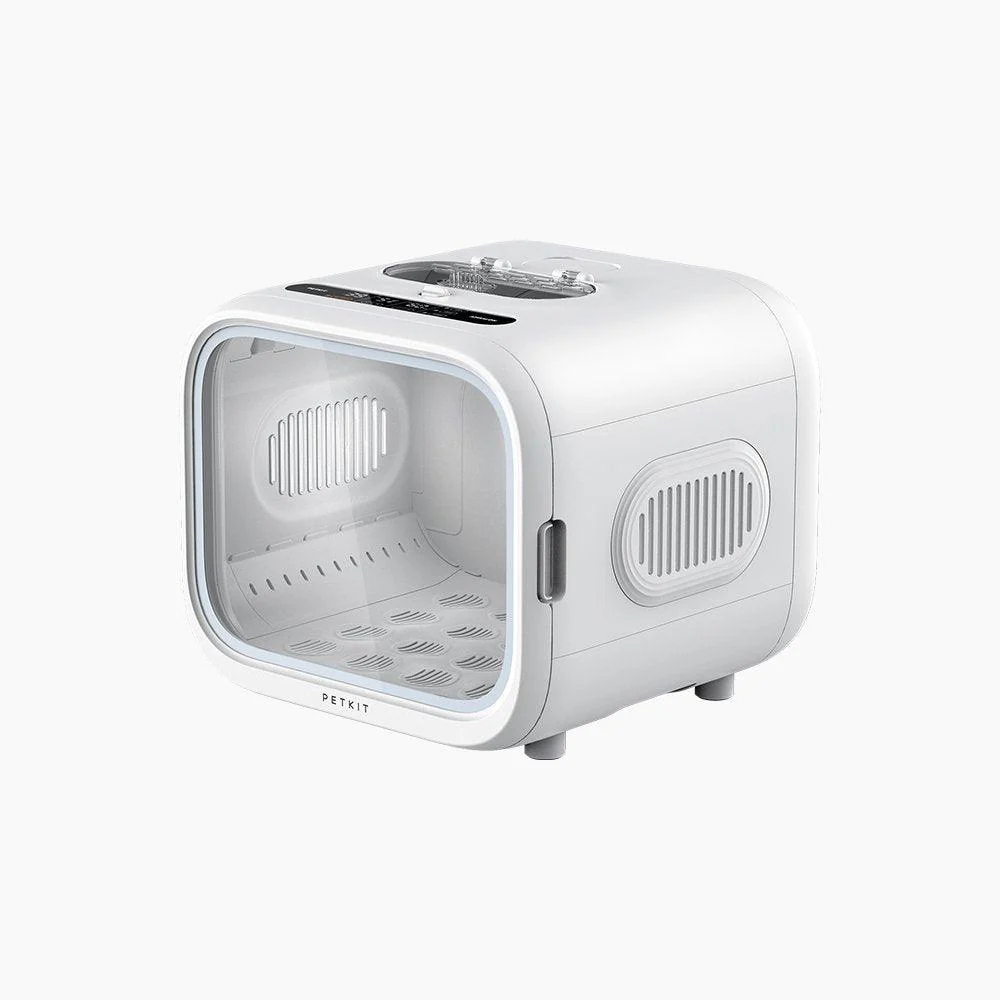
PETKIT AIRSALON Smart Pet Dryer Box
$622.99 AUD
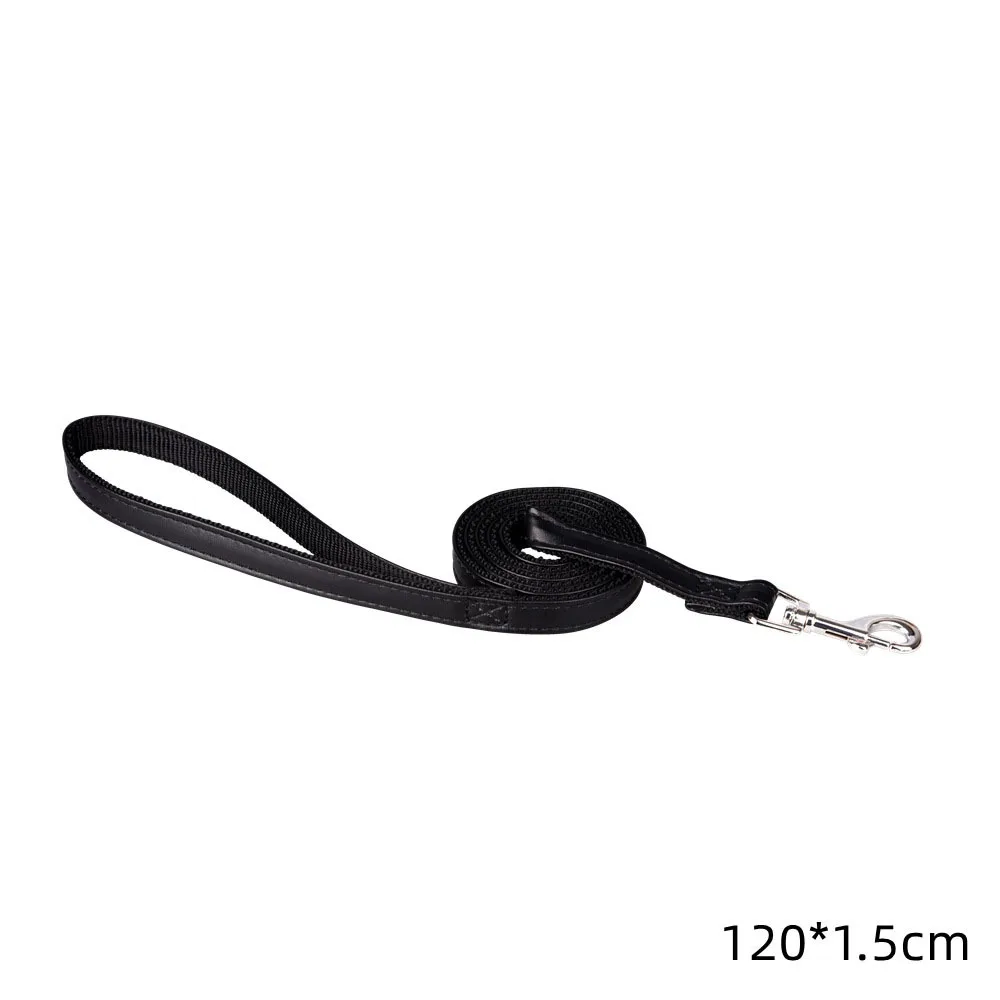
Premium Dog Training Leasg
$29.99 AUD

Argyle Dog Car Seat Cover
$87.99 AUD

Durable Pet Carrier
$536.99 AUD