How to Deal with Your Dog’s Separation Anxiety
Quick Answer: To help a dog cope with separation anxiety, start by easing them into short alone-times using calm, low-key departures and predictable routines. If their stress feels too big to manage, speak to a vet or behaviourist who can guide you with a plan that fits your dog’s needs.
There’s something gut-wrenching about closing the front door and hearing your dog lose the plot behind it – howling, scratching, pacing, or letting out the kind of bark that sounds like you’ve left them in the middle of a thunderstorm with no torch. You stand there, keys in hand, wondering if you’re being cruel or just doing what life demands: going to work, popping down to Coles, or sitting through a long meeting you’d rather skip too.
You’re not the only one caught in that tricky middle space – where love and guilt clash. A fair whack of Aussie dogs have come to expect constant company. They’ve known life with their human nearby at all times, whether working from the couch, pottering in the garden, or streaming bad telly on loop. So when that changes, and the house falls silent, some of them don’t take it well.
But here’s the good news: separation anxiety doesn’t mean you’ve messed up or raised a “bad dog.” It just means your mate’s struggling with being left behind.
What Is Separation Anxiety
A bit of barking when the bin truck rolls past or a chewed slipper now and then doesn’t mean your dog’s battling anxiety. That’s more like boredom or cheekiness – normal stuff for a dog figuring out their world. But separation anxiety? That runs deeper.
It’s the kind of stress that ramps up as you get ready to leave. Some dogs start pacing as soon as you pick up your bag. Others shake, drool, or refuse breakfast altogether. And once you’re gone, the behaviour snowballs – barking that goes on for hours, scratched-up door frames, chewed skirting boards, or messes left in places they’d never touch when you’re home.
What you’re seeing is panic – full-body stress caused by the absence of the one person they count on. And that fear doesn’t ease with time – it tends to build, which makes long days or sudden changes feel worse.
Understanding this for what it is – distress, not mischief – helps shift your mindset from punishment to support. And that’s where the real change begins.
Why Dogs Get Anxious
Dogs are wired to stick close. Their whole history’s built around bonding – with other dogs, with humans, with whoever feeds and walks them. So when that connection suddenly gets interrupted by a closed door and an empty hallway, some dogs don’t know how to cope.
There are a few reasons a dog might come undone when left alone. Some get too attached too fast – especially if they’ve had a rocky start. Rescue dogs, for instance, might’ve been passed from place to place and now cling to the first person who treats them kindly. Puppies adopted too early or raised in constant company might never learn how to be alone in a calm, safe way.
Even adult dogs who seemed fine before can suddenly hit a patch of clinginess if their routine changes. Maybe your work hours shifted. Maybe someone moved out. Maybe they lost their doggy housemate. Dogs notice more than we give them credit for – and big shifts in the daily rhythm can knock them sideways.
What’s worth repeating, especially for owners feeling like they’ve stuffed it up, is this: separation anxiety isn’t caused by spoiling your dog or showing them affection. It’s not the result of letting them sleep on the bed or giving them one too many treats. It’s a mix of temperament, early life, and circumstance – and while you didn’t create the issue on purpose, you can help ease it with a few smart changes.
Training Techniques That Help
Easing separation anxiety isn’t about flipping a switch – it’s more like patching up a wobbly fence with careful, steady effort. It takes repetition, a bit of strategy, and a fair bit of patience on your end. But it works.
One approach that helps many dogs is teaching them that alone time isn’t scary – it’s just another part of the day. Start by stepping away inside the house. Go into another room, close the door, and stay there for a minute. Don’t make a sound. Then return calmly, no big greetings, no fuss. Gradually build this up – from a minute to five, from five to ten. Your dog learns, bit by bit, that being alone doesn’t mean being abandoned.
Some dogs do well with a crate, as long as it’s introduced gently. The crate should feel like a nook or a den – a spot they choose to relax in, not a punishment box. Toss treats in, leave the door open, feed meals nearby. Over time, it becomes a cue for rest, not worry.
Reward calm behaviour like it’s gold. If your dog settles near the door while you get your shoes, mark that with quiet praise or a tasty morsel. Catch the good moments and reinforce them – don’t just wait for the barking to start before you act.
This sort of training is slow-moving by nature. It’ll test your patience, especially on days where you feel like nothing’s working. But over time, you’ll spot the shifts. A little less whining. A longer pause before the pacing starts. Those tiny signs? That’s progress in disguise.
When to Seek Extra Support
Sometimes, despite your best efforts – the treat toys, the routines, the gentle training – your dog still unravels the second you’re out of sight. Maybe they’re drooling buckets, barking non-stop, or injuring themselves trying to escape. That level of distress goes beyond what most owners can manage solo – and that’s where outside help steps in.
If your dog’s showing signs of real panic – shaking, howling for hours, chewing through doors, or refusing to eat when left alone – it’s time to loop in someone with more know-how. A qualified behaviourist, especially one who uses fear-free methods, can piece together a plan that’s shaped to suit your dog’s temperament and your lifestyle. They’ll watch your dog, listen to your story, and spot patterns that might not be obvious at first glance.
Conclusion
Living with a dog who panics when you leave can feel heavy. It’s draining, unpredictable, and sometimes even embarrassing – especially when neighbours complain or furniture gets destroyed. But behind the barking and the chewed-up doorframes is a dog who isn’t trying to give you grief. They’re scared. That’s all.
Separation anxiety doesn’t mean your dog is broken or badly behaved. It means they haven’t yet figured out how to feel safe without you. And with time, patience, and a few steady habits, most dogs can learn to cope. Some just need more help than others – and that’s okay.
Related posts:




You must be logged in to post a comment.


Dachshund Pet Stairs
$135.99 AUD
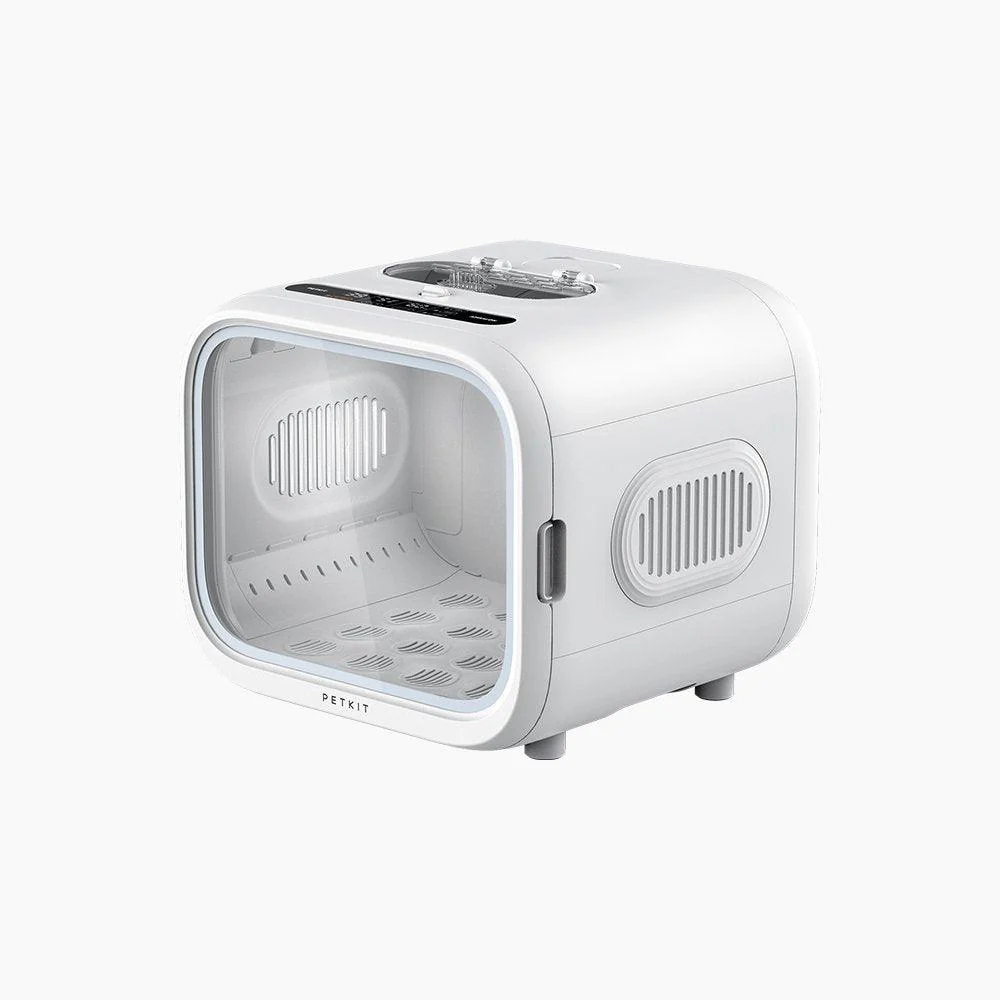
PETKIT AIRSALON Smart Pet Dryer Box
$622.99 AUD
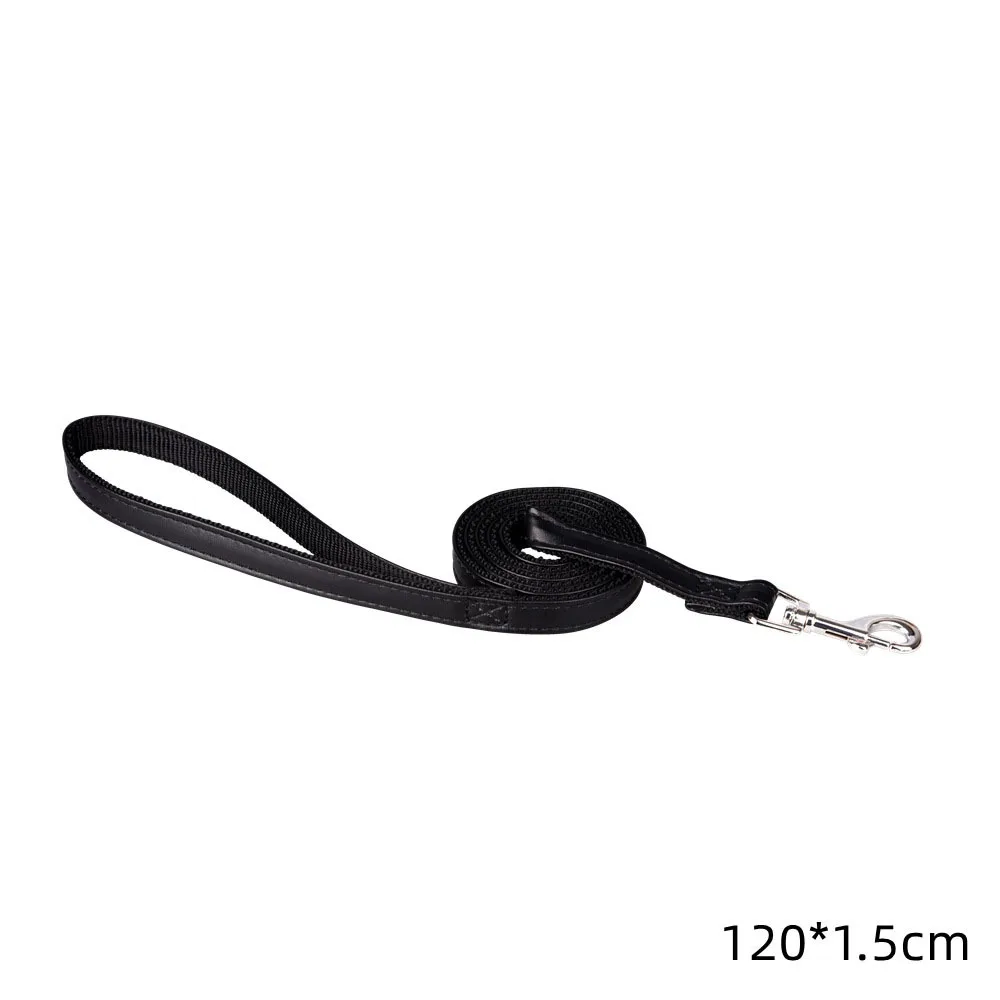
Premium Dog Training Leasg
$29.99 AUD
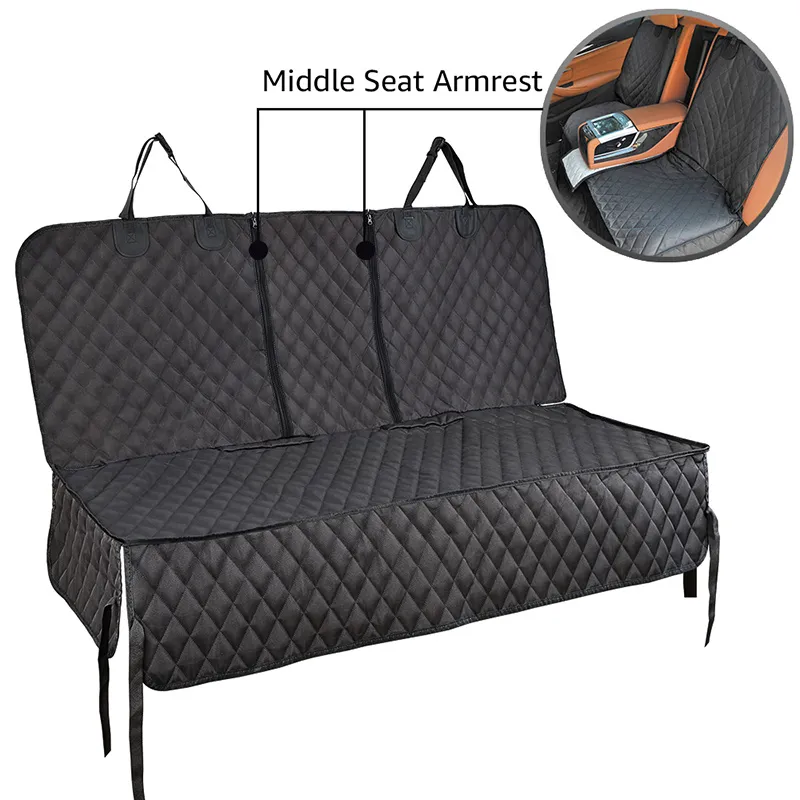
Argyle Dog Car Seat Cover
$87.99 AUD
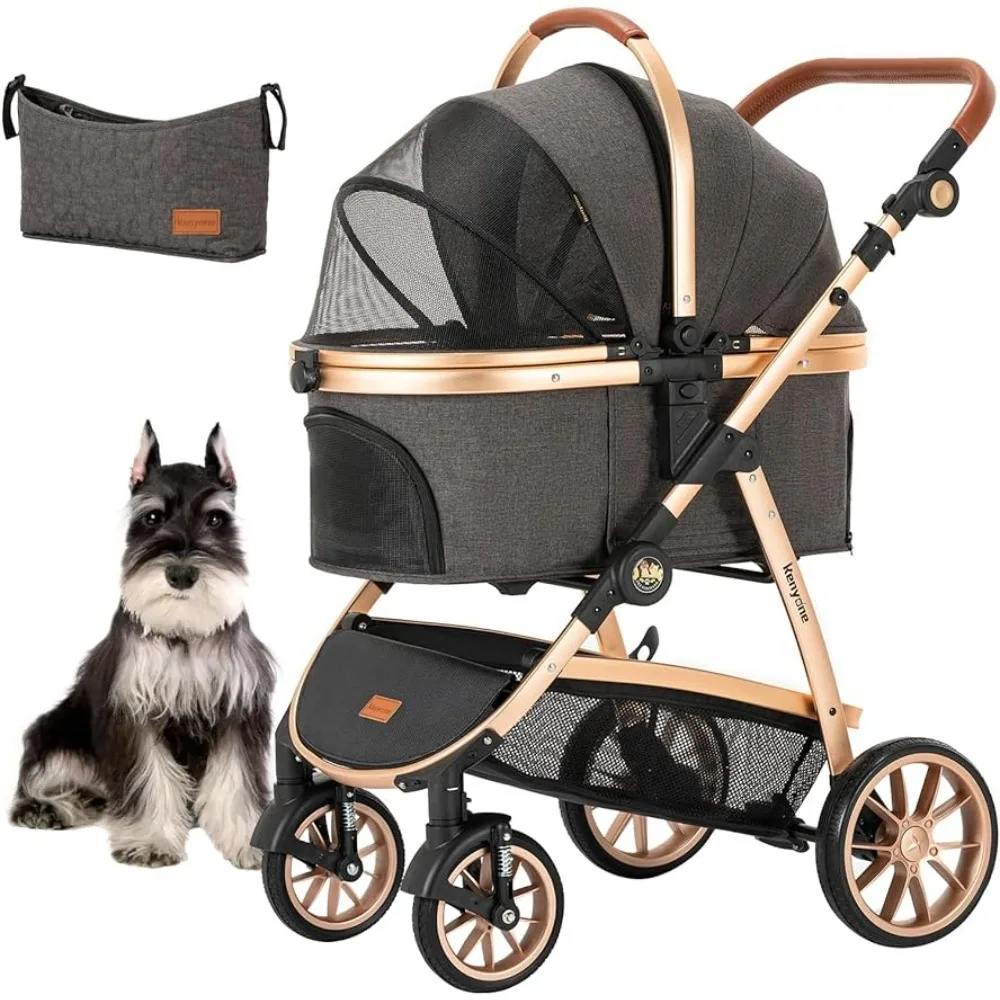
Durable Pet Carrier
$536.99 AUD