How to Raise a Confident Chihuahua
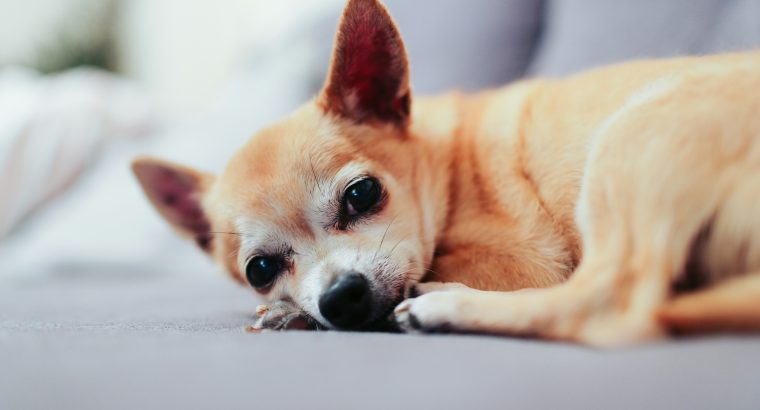
Chihuahuas are pocket-sized powerhouses with big personalities, but they often get a bad rap. Known unfairly as “yappy” or “snappy,” these tiny dogs are sometimes branded as aggressive ankle-biters. But more often than not, that reputation comes down to how they’re raised, not how they’re wired.
In truth, Chihuahuas can be confident, friendly, and well-adjusted companions. The key is to treat them like a dog, not a handbag. If you’ve got a Chi puppy or you’re thinking about getting one, here’s how to raise them right from the start.
Why Chihuahuas Get a Bad Reputation
Many Chihuahuas bark, lunge, or nip at strangers. But these behaviours are usually driven by fear, not dominance. Their world is huge, loud, and full of looming giants (that’s us!). When a dog this small feels insecure, their natural reaction is to protect themselves.
Sadly, their size often works against them. Instead of training and socialising their Chi like they would a larger breed, many owners scoop them up at the first sign of discomfort. This creates a cycle: the Chihuahua learns they don’t have to face new situations, and their fear of the unfamiliar grows stronger.
Don’t Baby Them, Train Them
Carrying your Chihuahua everywhere may feel protective, but it robs them of opportunities to grow brave. To build confidence, they need to move through the world on their own four paws. That means:
- Letting them walk on leash (even if they move at a snail’s pace)
- Introducing new environments slowly but consistently
- Teaching basic obedience commands with rewards-based training
Even tiny dogs can learn to sit, stay, and come. In fact, training helps Chihuahuas feel secure. They know what’s expected, and they trust you as a calm, capable leader.
Early Socialisation is Essential
Like all dogs, Chihuahuas go through a socialisation window between 3 and 16 weeks old. During this time, expose your pup to as many safe experiences as possible:
- Different people (ages, sizes, and voices)
- Calm dogs of all sizes
- Unfamiliar sounds like traffic, vacuum cleaners, or doorbells
- Walking on various surfaces (carpet, tiles, grass, gravel)
Keep each interaction positive and low-stress. Pair new experiences with treats, praise, and gentle encouragement. If they seem overwhelmed, back off and try again later. The goal is to build trust, not force bravery.
Respect Their Size Without Coddling
There’s no denying that Chihuahuas are fragile. They can be injured by rough play or falls. So yes, it’s important to protect their little bodies, but that doesn’t mean shielding them from life.
Use a harness instead of a collar for walks to avoid neck strain. Avoid busy off-leash parks where larger dogs might barrel into them. But still let them explore, sniff, and meet new friends under your watchful eye. Confident dogs come from experience, not isolation.
Teach Kids How to Interact
Chihuahuas can make wonderful family pets, but only if children are taught to respect their boundaries. Set rules for gentle handling, no picking up without permission, and no chasing. Encourage calm cuddles on the couch rather than hyperactive roughhousing.
The more positive their early interactions, the more trusting your Chihuahua will become around little ones.
Recognise Fear-Based Behaviours
Snapping, growling, or barking when approached aren’t signs of a “bad” dog. They’re signs of a nervous one. If your Chihuahua reacts fearfully, pause and assess the situation:
- Are they being crowded?
- Is a loud noise or sudden movement setting them off?
- Are they in pain?
Step in calmly, give them space, and work on desensitising them to the trigger using treats and gradual exposure. Don’t scold fear, teach them they’re safe.
Confidence Through Routine
Confident dogs thrive on predictability. Feed your Chihuahua at the same times each day, stick to regular walk and play sessions, and create a consistent bedtime routine. This stability helps them feel more secure.
Adding enrichment toys like puzzle feeders, soft plush toys, or scent games can also build independence and satisfaction when they’re home alone.
Choosing the Right Pup
Not all Chihuahuas start at the same confidence level. Genetics and early handling by the breeder play a big role. When choosing a puppy, look for one raised in a home environment with early socialisation. Ask the breeder about their exposure to people, sounds, and other animals.
You can browse current Chihuahua listings on PetsForHomes Australia to find ethical breeders who prioritise temperament and early development.
Related posts:




You must be logged in to post a comment.
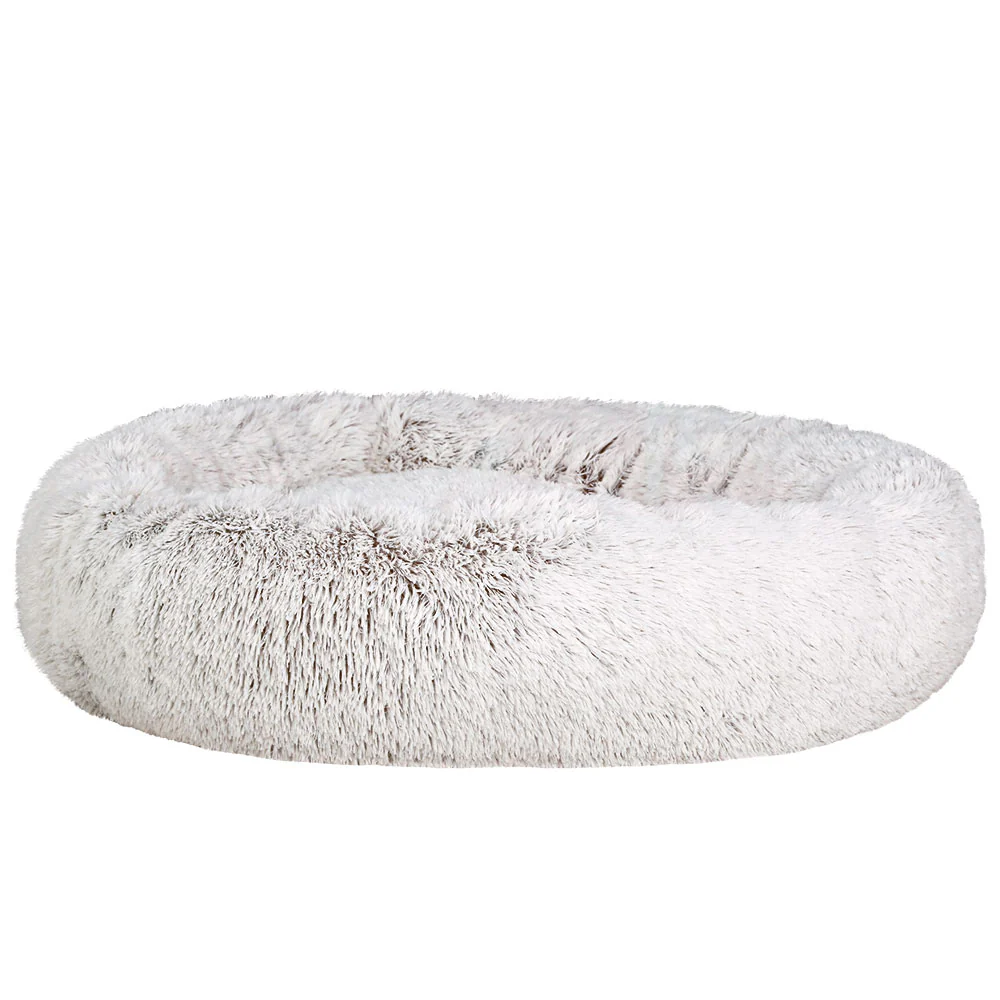

Dachshund Pet Stairs
$135.99 AUD
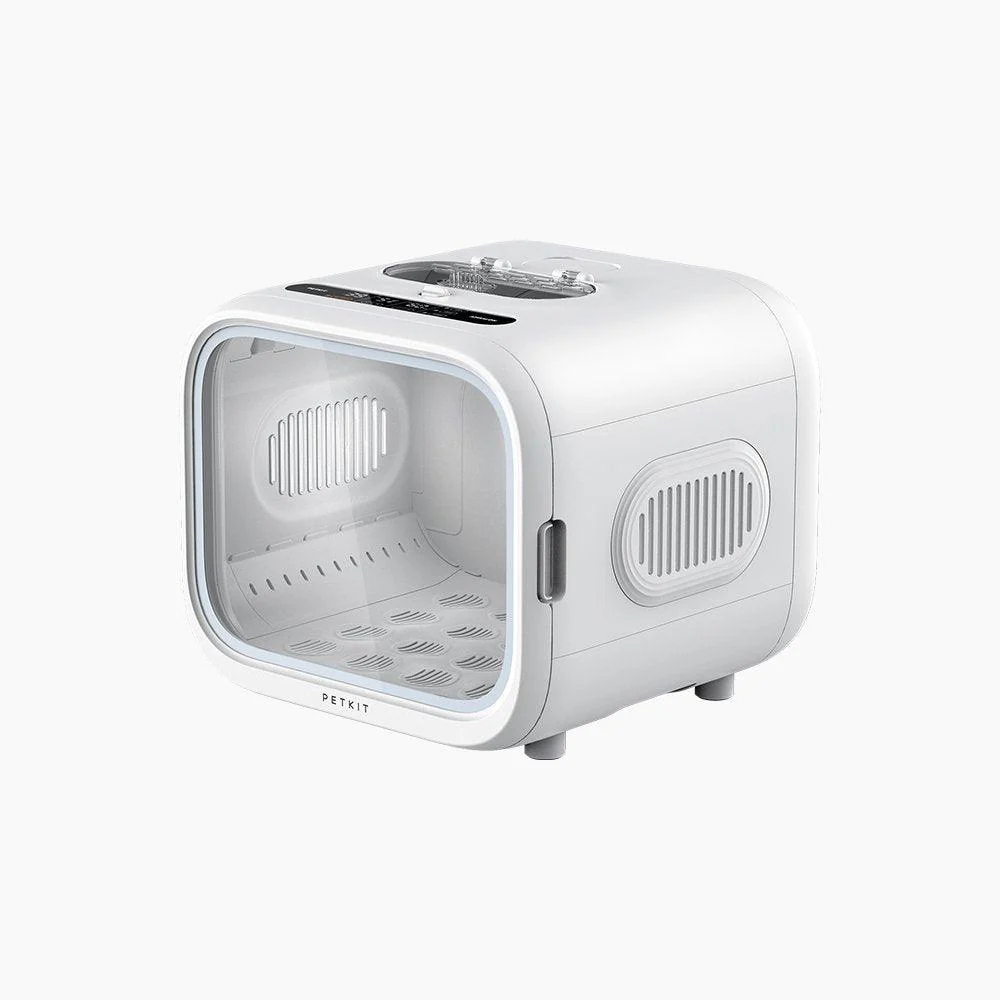
PETKIT AIRSALON Smart Pet Dryer Box
$622.99 AUD
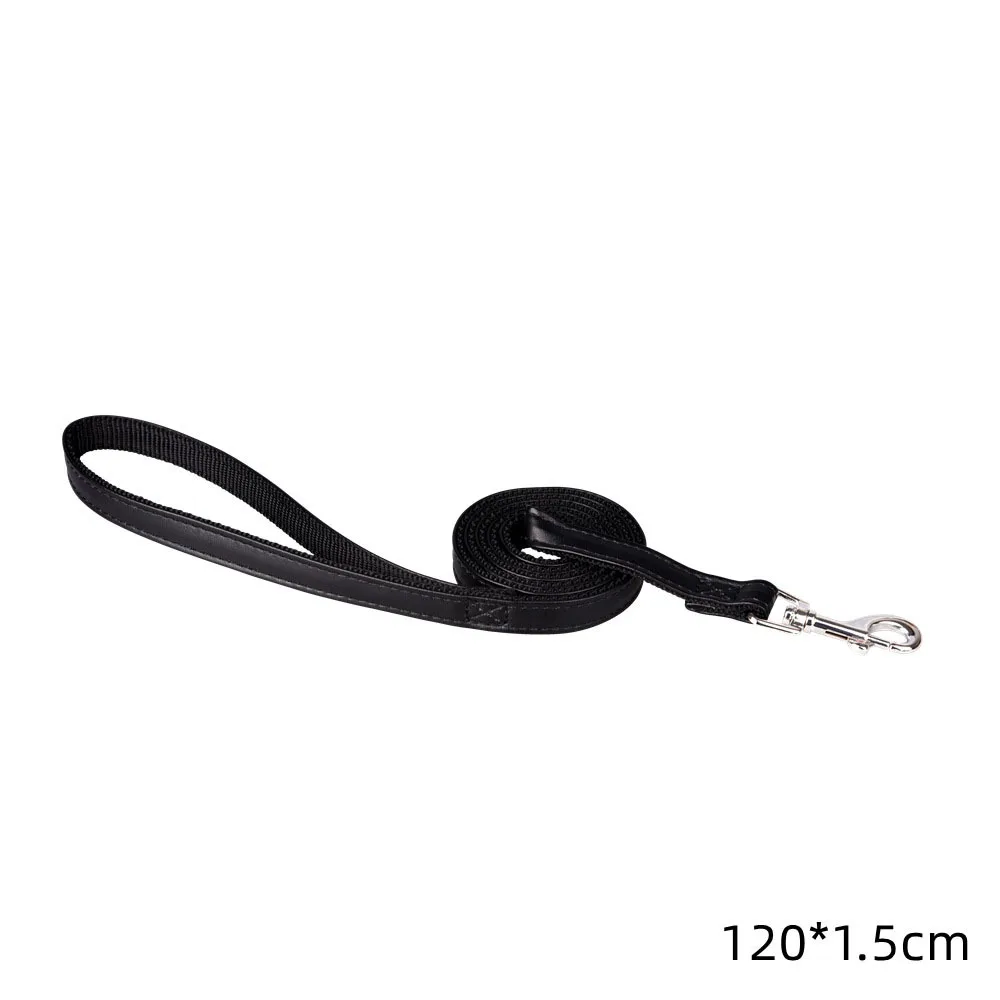
Premium Dog Training Leasg
$29.99 AUD

Argyle Dog Car Seat Cover
$87.99 AUD
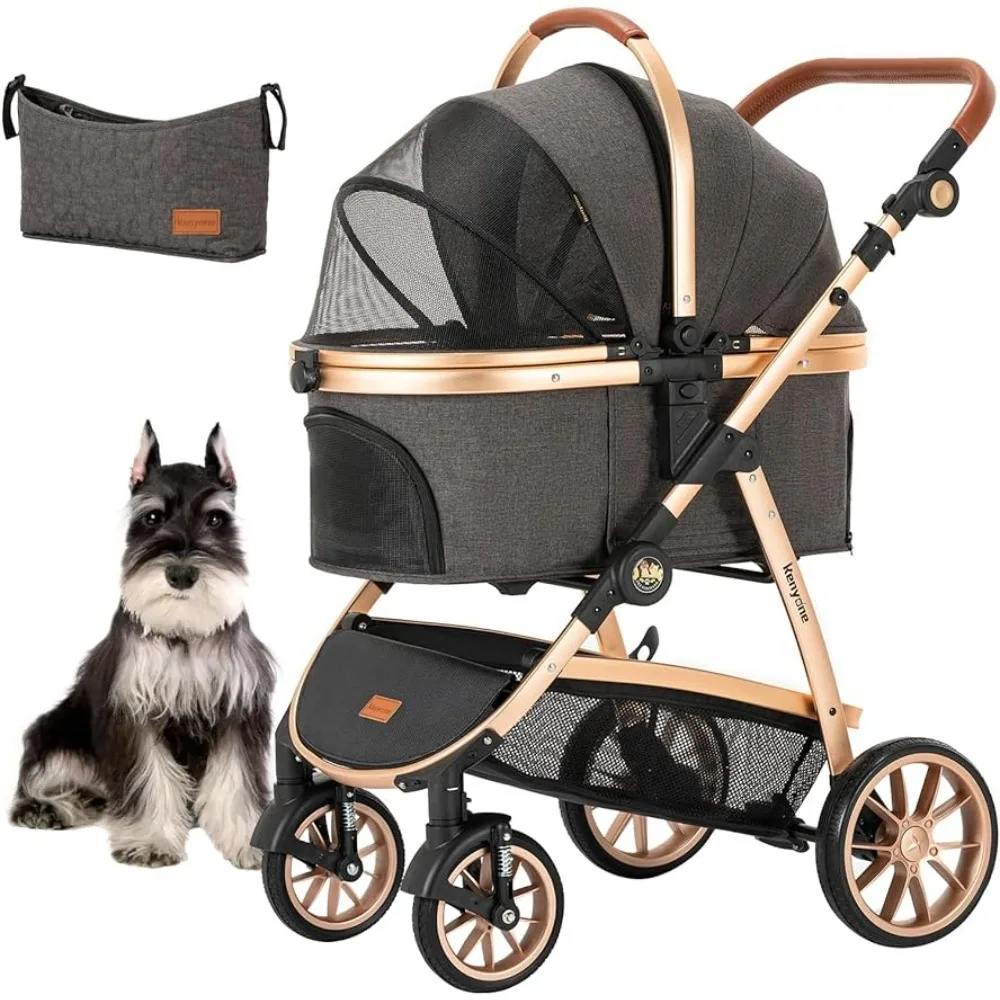
Durable Pet Carrier
$536.99 AUD