How to Stop Dogs Eating the Christmas Tree
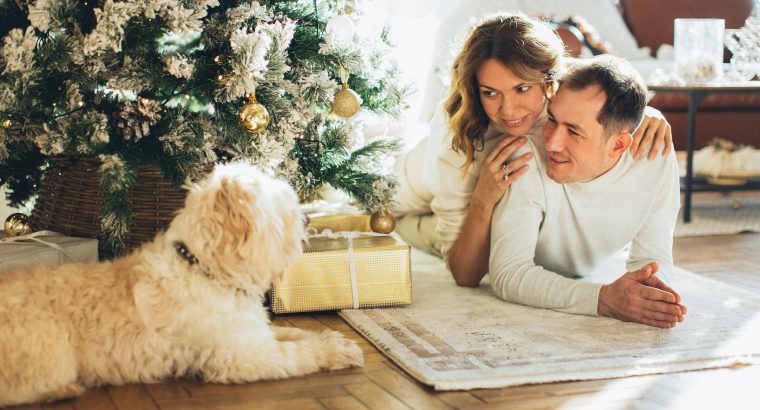
The holidays bring cheer and cheerfully decorated houses—and often a new chew toy for your pup in the form of your Christmas tree. Regardless of whether you chose a real pine or an artificial tree, dogs love both for many different reasons. By learning why your dog may be fascinated by the Christmas tree and by taking some common sense actions, you can have a great, safe, peaceful holiday season.
Why Dogs Are Attracted to Christmas Trees
Dogs are not intentionally ruining your holiday by tearing at the ornaments or chewing on the base of your Christmas tree. There are various reasons why dogs are attracted to Christmas trees:
New Smells: Real Christmas trees bring the smell of the outdoors inside, which sparks your dog’s natural curiosity; the smell of pine is also quite new and intriguing to their sense of smell.
Interesting Textures: Both real needles and artificial branches offer novel textures that dogs, particularly puppies, want to explore with their mouths. This is part of their natural investigative behaviour.
Shiny Attractions: Baubles, tinsel, and lights create visual interest. Dogs may see these decorations as toys, especially items that dangle at their eye level.
Attention-Seeking: If your dog has learned that approaching the tree results in you rushing over, they may continue the behaviour to gain your attention, even if that attention is corrective.
Potential Dangers
Before we get into how to avoid these dangers, let’s consider the actual dangers:
- Pine needles from real pine trees can cause stomach upset, mouth irritation or intestinal blockage if enough of them are eaten
- Tree water may be laced with preservatives, fertilisers or bacteria that can hurt your dog
- Tinsel and ribbons are extreme choking hazards and could cause life-threatening intestinal blockage
- Glass ornaments can break and cause cuts or life-threatening internal injuries if swallowed
- Wires and electrical cords from lights can electrocute a dog if chewed on
- Certain holiday plants like mistletoe, holly and poinsettia are poisonous to dogs
Prevention Strategies:
1. Choose Your Tree Location Wisely
Place the Christmas tree in a space that can be shut off when you aren’t there to supervise. Placing it in a corner makes it less reachable from all sides. Avoid placing the tree in close proximity to where your dog frequently lays down, or if there’s too much activity in the area and your dog might accidentally bump into the tree.
2. Secure the Tree Properly
Get a heavy duty tree stand that even if your dog does check it out, it’ll remain standing. You might want to tether the tree to the wall with some fishing line or clear wire tied to a hook for extra measure. A falling tree on top of your dog could really hurt them and scare them away from Christmas for life.
3. Create a Physical Barrier
A baby gate, an exercise pen, pet gate, or pretty fencing around the bottom of the tree establishes a marked area that they cannot enter without compromising your showing off your decorations. This is especially effective with puppies and smaller dogs. Some even find success with a large tree skirt that’s weighted on the edges to keep them away.
4. Use Deterrent Sprays
Use pet-friendly bitter apple spray or citrus deterrents on the lower branches of your tree. Most dogs don’t like the taste and will steer clear. Make sure to reapply often since the scent will wear off especially on a real tree, the pine scent will mask the deterrent.
5. Cover Tree Water Reservoirs
For a live tree, make sure that the water basin is entirely concealed. Use a tree skirt, aluminum foil, or buy a specialised tree water cover. Replace the water daily to avoid bacteria growing and never add aspirin, sugar or commercial preservatives if your dog can get to it.
6. Decorate Strategically
Keep decorations on the upper two-thirds of the tree, leaving lower branches bare or decorated only with unbreakable, non-toxic ornaments. Avoid tinsel entirely if you have a dog prone to eating non-food items. Secure lights firmly and tape down or cover any loose electrical cords.
7. Provide Alternative Entertainment
Ensure your dog has plenty of appropriate chew toys, puzzle feeders, and activities to keep them occupied. A bored dog is more likely to seek entertainment from forbidden objects. Increase exercise and mental stimulation during the busy holiday period when routines often change.
8. Training and Supervision
Train a good “leave it” command before putting up the tree. If your dog goes to investigate the tree, gently encourage them to do something more appropriate and reward this action. Do not chastise your dog for showing interest around the tree as this may cause stress or provoke further attention seeking; instead, reward for leaving the tree alone or staying in their designated space.
9. Consider Confinement When Unsupervised
When you are not there to supervise your dog, contain your dog in a confined space away from the tree with baby gates or in their crate (if they are crate-trained). This prevents them from getting into trouble and getting into something that may hurt them.
10. Make the Tree Less Appealing
Place aluminium foil or plastic carpet runners (nubby side up) around the tree base. Many dogs dislike walking on these textures. You can also try placing pine cones around the base of the tree, as most dogs find them uncomfortable to step on.
What to Do If Your Dog Eats Tree Materials
Despite your best efforts, accidents can happen. If your dog consumes pine needles, ornaments, tinsel, or other tree materials:
- Remove any remaining pieces from their mouth if you can do so safely
- Try to determine what and how much they’ve eaten
- Contact your veterinarian immediately, especially if they’ve consumed tinsel, glass, or toxic plants
- Watch for signs of distress including vomiting, lethargy, loss of appetite, or difficulty defecating
- Don’t attempt to induce vomiting without veterinary guidance
Alternative Christmas Tree Options
If you dog still continues to want the tree regardless of what you’re doing, you can also try:
- Wall mounted trees: flat decorative trees that hang on the wall as decoration
- Tabletop trees that are elevated on tables
- Trees hung from the ceiling (upside down, one trendy movement)
- Decorations for outdoors only
- Artificial trees that are dog friendly and/or smaller and simplified
Creating Positive Associations
Teach your dog that good things happen when they’re calm around the tree. Put their dog bed or mat near (but not too near) the tree and reward them with treats and positive affirmations if they lie down there quietly. It will create a positive association for the tree being there with a nice comfy spot to lie down.
Final Thoughts
With time, training, and careful supervision, you can enjoy your Christmas tree without worry and keep your dog safe and happy. Note that Christmas (and the holiday season) can be stressful for dogs due to changed routines, unfamiliar people and noise, and new items in their environment. Paying a little extra attention to your pup over the holidays and taking measures to keep your tree intact will allow everyone to have a stress-free, happy Christmas.
If your dog’s interest is obsessive or you feel at a loss about how to manage it, reaching out to a qualified dog trainer or veterinary behaviourist for guidance would be best. Your dog’s safety is number one this holiday season!
Related posts:



You must be logged in to post a comment.

Dachshund Pet Stairs
$135.99 AUD
PETKIT AIRSALON Smart Pet Dryer Box
$622.99 AUD
Premium Dog Training Leasg
$29.99 AUD

Argyle Dog Car Seat Cover
$87.99 AUD
Durable Pet Carrier
$536.99 AUD