Puppy Training and Perks: Everything You Need to Know
Bringing a puppy home is one of the most joyful experiences of owning a pet. However, it also comes with responsibility. Training your puppy when they are young will ultimately lead to a happy dog that gets along well with the other pets and humans in the home. The earlier you start puppy training, the longer it will benefit your dog. From commands to learning how to use the bathroom in the right spot, here’s all Aussie dog owners need to know about puppy training and perks it will bring to the dog family.
Why Puppy Training Matters
Puppies are curious and full of energy when they want to please their owners. However, puppies also need guidance. Without training, the small behavioural problems with puppies can develop into bigger issues. Problems such as chewing on furniture, jumping on guests, pulling on the lead, or not responding to recall commands can be prevented rather than treated later.
Australia is a country where pet owners are required to provide for their pets responsibly. Wherever you live in Australia, whether in a suburban property in Sydney, a unit in Melbourne, or acres in Queensland, training your puppy will make life easier for you and your neighbours.
When to Start Puppy Training
The golden rule of puppy training is to start as soon as you bring your puppy home to you. Most puppies arrive at their new homes between 8 and 12 weeks of age.
Puppies’ brains at this age are like sponges, absorbing everything around them. Between 3 and 14 weeks of age is the critical socialisation period for puppies.
Puppy training classes are fantastic for puppies to socialise and learn between the ages of 3 and 14 weeks. Puppies cannot hold the attention span of adults. Therefore, limiting training to five to ten minutes at a time and ending on a positive note will work best for them between the ages of 8 and 12 weeks.
Core Puppy Training Skills to Focus On
Start with these five essentials:
1. Toilet Training
Consistency is everything. Take your puppy outside first thing in the morning, after meals, after naps, and before bed. Choose a designated toilet spot and use a cue word like “toilet” or “outside.” When they go in the right spot, reward generously with praise and a treat. Accidents happen — never punish your pup, simply clean up quietly and move on.
2. Sit, Stay, and Come
These three commands form the backbone of obedience and safety. “Sit” is usually the easiest to teach first — hold a treat above your pup’s nose and slowly move it back over their head. As their bottom hits the floor, say “sit” and reward. Build on this with “stay” and a solid recall (“come”), which could one day save your dog’s life.
3. Lead Walking
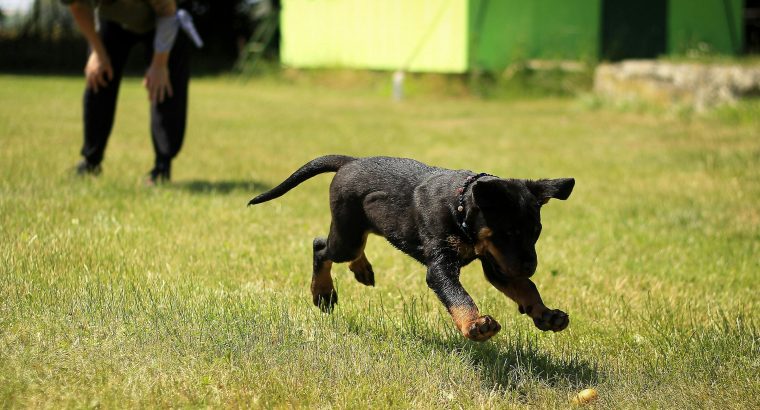
Any dog that pulls on the lead is going to make walks stressful for everyone involved. Get your puppy used to wearing a collar or harness at home. Walk them in the yard and on the footpath once or twice a day. When your dog pulls on the lead, stop and change direction until they walk back to you. Reward your puppy for good behaviour.
4. Bite Inhibition
Puppies use their mouths to explore their world, which can result in some painful nips. Teaching your puppy bite inhibition is crucial. When your puppy bites too hard on you make a loud yelping noise and remove yourself from the situation. Offer your puppy an appropriate toy to chew on instead.
5. Crate Training
A crate isn’t a punishment – it’s a den! Introducing the puppy to the crate correctly will allow them to associate the crate with comfort and peace, which will aid in toilet training (as they’ll avoid the crate) and provide a retreat from the busyness of the household. Start with short periods of time in the crate and gradually increase the length of time they spend in the crate itself.
Positive Reinforcement: The Gold Standard
Puppy training today uses positive reinforcement, rewarding the behaviours you want from your puppy. Decades of research from veterinary and dog behaviour experts across Australia supports this training approach. It will build a trust relationship between you and your dog and make learning commands and behaviours fun for your puppy.
Effective rewards include:
- High-value treats (small, soft pieces your pup goes wild for)
- Verbal praise in an enthusiastic, warm tone
- Play with a favourite toy
- Affection and pats (for puppies who love physical touch)
Avoid punishment-based methods such as shouting, leash jerking, or alpha rolling. These approaches can damage trust, increase anxiety, and sometimes make behaviour problems worse. If you’re struggling, a qualified positive reinforcement trainer is well worth the investment.
Puppy Training and Perks
If you need extra motivation to get started, here are the very real perks of investing time in puppy training early on.
A Calmer, Happier Dog
Dogs that are trained experience less anxiety from the situation, as they understand what is required of them. Puppies that are exposed to structured environments experience confidence from their surroundings. A dog that understands the rules of the house will be a satisfied dog that brings peace to the home and its inhabitants.
A Stronger Bond with Your Pet
Puppy training is not just about teaching them commands. It is about quality time with them while communicating with them. Training helps to strengthen the bond between the dog and its owner. Dogs trained with positive methods will enjoy training with their owners.
Greater Freedom and Flexibility
A well-trained dog can go to so many places with you. From cafes to parks, from friends’ homes to vacation spots, all these places become accessible to you and your pup when they have well-trained and good walking manners. Training your dog opens up your world — and their own.
Reduced Vet Bills
A dog that does not bolt out the gate, does not eat things off the ground, and comes when called is safer by design. Training helps to avoid accidents, injuries, and eating things that could be dangerous for the dog – all of which could lead to vet visits.
Better Relationships with Neighbours and the Community
A dog that constantly barks, jumps on visitors, or escapes from the property places strain on the relationship that the dog has with its community. Proper puppy training can avoid these problems and ensure that both the dog and its owner are welcomed members of the community.
Mental Stimulation for Your Pup
Dogs are intelligent animals and need to have some mental engagement in their lives just as much as they need physical exercise. One of the best forms of providing mental engagement to a dog is through training sessions. A dog that has completed basic training as a puppy will sleep feeling tired and satisfied – reducing any destructive behaviour at home.
Puppy Classes vs. Training at Home
You don’t have to choose between the two — most experienced dog owners will recommend that you do both. Puppy classes run by accredited trainers will expose your puppy to socialisation with other puppies and people, as well as provide guidance on how to train your pup effectively at home. Ensure that the training occurs in a safe and clean environment, and use positive reinforcement to encourage desired behaviours.
Training at home allows your pup to practise what they’ve learned. Practising short sessions throughout the day will have better results than long training sessions once in a while. Just ensure that your dog remembers the training throughout the day — consistency is the key to successful training.
Quick Tips for Puppy Training Success
- Keep sessions short and positive — always end before your pup loses interest
- Train before meals when your pup is motivated by food
- Be consistent — everyone in the household should use the same commands and rules
- Patience is non-negotiable — puppies make mistakes, and so will you
- Celebrate small wins — every step forward is progress worth rewarding
- Seek professional help early if you notice concerning behaviours — the sooner, the better
Final Thoughts
Puppy training is one of the greatest gifts you can give your new dog. It will pay off over the years to come. The perks of puppy training are as real as they are lasting and felt in every single day.
If you have a brand new puppy or want to give your dog a fresh start to puppy training, know that dogs can learn anything and it’s never too late to improve on something. At PetsforHomes, we’ll help you find the perfect puppy to begin your training journey with and be with you every step of the way.
Related posts:




You must be logged in to post a comment.
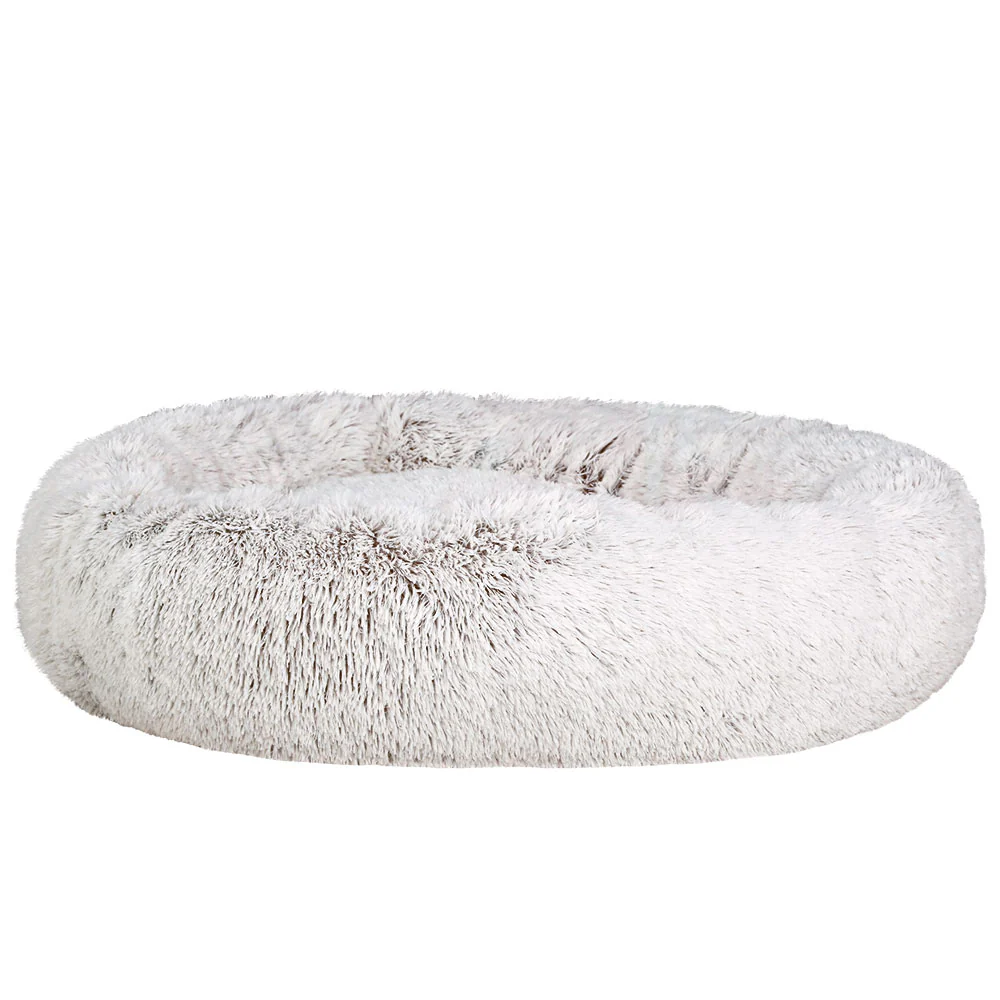

Dachshund Pet Stairs
$135.99 AUD
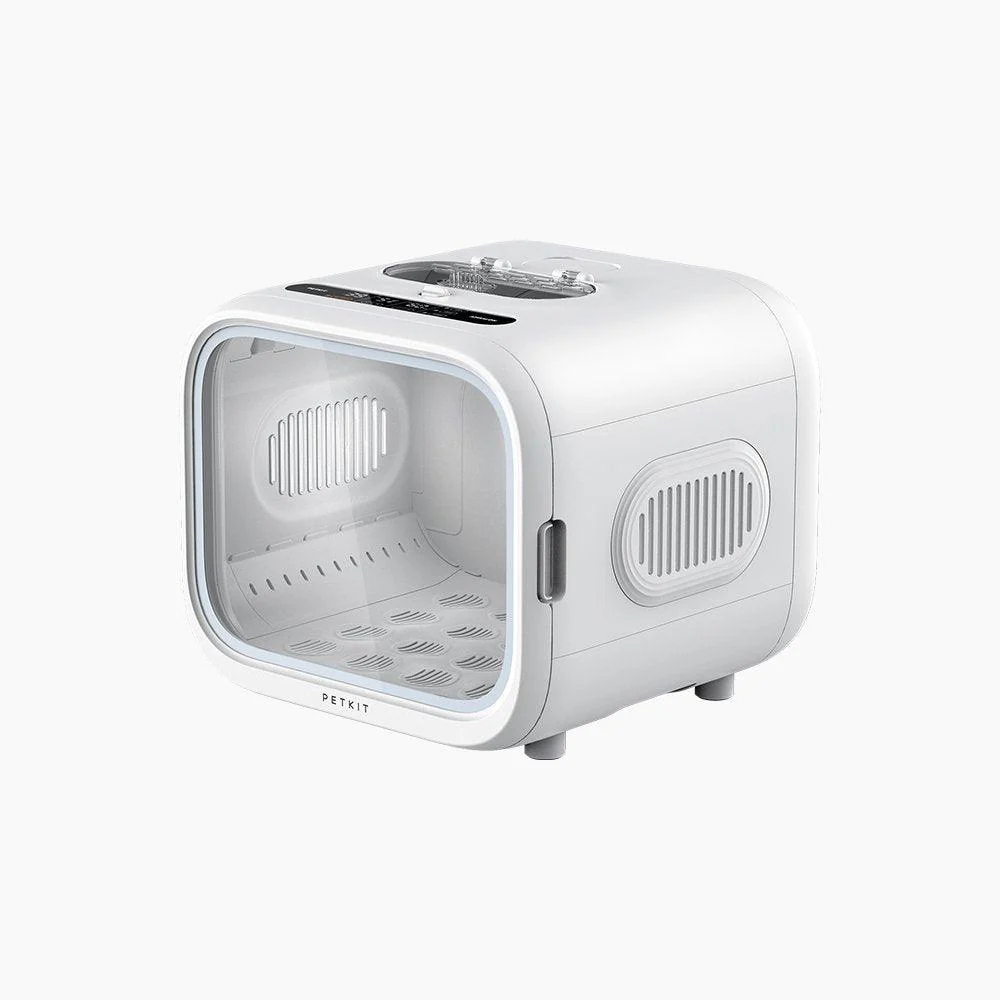
PETKIT AIRSALON Smart Pet Dryer Box
$622.99 AUD
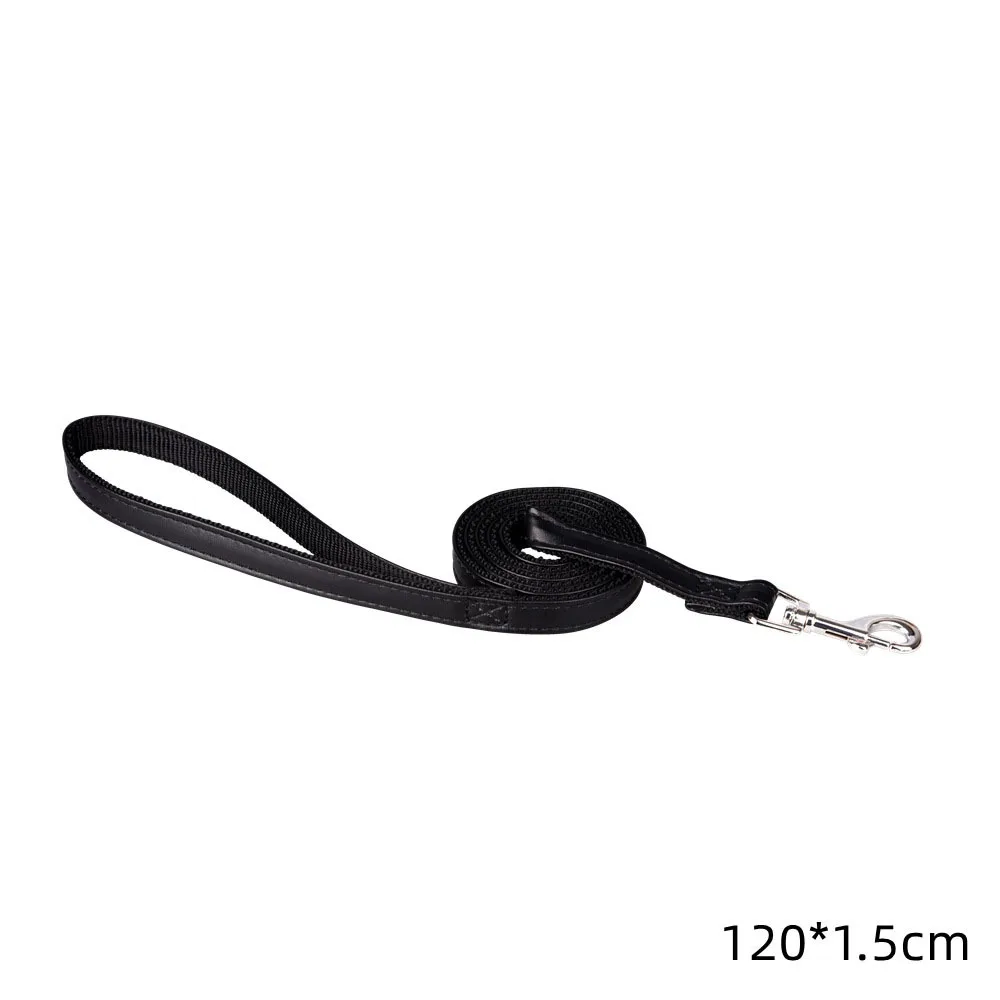
Premium Dog Training Leasg
$29.99 AUD
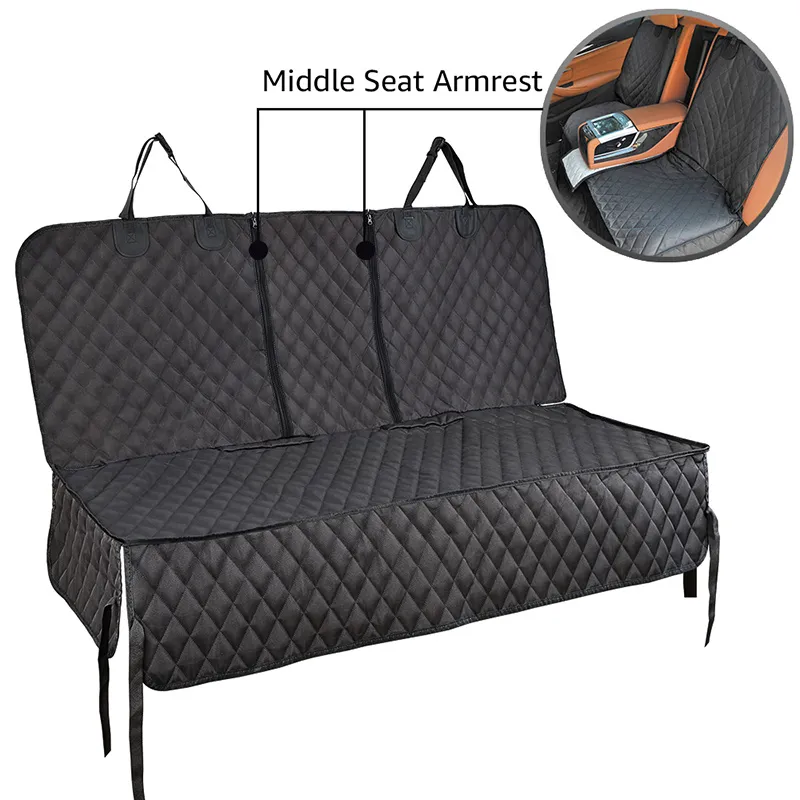
Argyle Dog Car Seat Cover
$87.99 AUD
Durable Pet Carrier
$536.99 AUD