Training a Border Collie Properly
“Border Collies are smart, so training them should be a breeze… right?”
That’s the idea most new owners cling to, right up until their clever dog learns how to unlatch the side gate, herd the vacuum cleaner, or flat-out ignore their fifteenth recall cue at the dog park.
It’s easy to fall for the breed’s polished reputation: brains, energy, loyalty, athletic flair. The poster pup for obedience demos and agility trials. But smart doesn’t always mean easy. In fact, sometimes it’s the sharpest dogs that cause the biggest training headaches.
So if you’re feeling like your Border Collie is outwitting you, you’re not alone. We’re pulling back the curtain on what makes this breed such a handful, and how to steer things back on track.
The Intelligence Trap
Let’s start with the elephant in the living room: Border Collies are brilliant. But brilliance, without boundaries, often means trouble.
These dogs don’t just follow rules – they test them, rewrite them, and find loopholes you didn’t even know existed. Give a vague command once, and they’ll clock it. Repeat it inconsistently, and they’ll rewrite the pattern. Before you know it, your dog is sitting kind of when asked, or dashing ahead at heel unless you’ve got a treat dangling in front of their nose.
And it’s not because they’re being naughty for the sake of it. They’re solving problems – just not the ones you want solved. If ignoring your call gets them closer to a magpie, a bike, or a leftover sausage on the ground, they’ll take the win. That’s what intelligence looks like when it’s given free rein without a framework.
The trick isn’t to outsmart them. It’s to build a system that leaves no gaps. A routine where cues mean one thing, and one thing only. A structure that doesn’t wobble when life gets messy. Otherwise, you’ll find yourself in a standoff with a dog who’s memorised your weak spots.
The Need for a Job
Here’s the part that trips up even seasoned dog folks: physical exercise isn’t enough. You can take them for a brisk walk, let them chase the ball until they’re panting, and still come home to a dog spinning like a top.
That’s because Border Collies weren’t bred to burn steam for an hour and flop for the rest of the day. They were shaped to think on their feet, hour after hour, tracking sheep that dodge and weave, reacting to the twitch of a tail or the sway of a paddock gate.
So when they’re left to stew without a task, they create their own. Digging trenches in your lawn, stalking the neighbour’s cat, barking at shadows – these aren’t random behaviours. They’re homemade jobs, stitched together from leftover energy and boredom.
That’s why the best approach isn’t to wear them out, but to give them purpose. And no, you don’t need to buy a farm or train for Crufts. Teaching them to hold a position while you vacuum, or asking them to carry the mail inside, or even just stay on a mat while the kids bounce off the walls – that’s enough to scratch the itch.
Obsession, Quirks & OCD-like Traits
Now here’s where things can get a bit odd. Left to stew without guidance, a Border Collie’s brilliant brain can start spinning in circles – sometimes quite literally.
These dogs aren’t just interested in movement – they’re drawn to it like bees to a jam tin. A flicker of light on the wall? Locked on. A leaf skittering across concrete? Tracked like prey. You’ll see some dogs lose themselves in these little fixations, chasing shadows, staring at corners, or pacing the same route like a watchman on duty.
At first, it can seem harmless – even amusing. But when that obsession becomes their go-to coping mechanism, it’s a red flag. I once met a Collie who’d pounce at her shadow for hours, whether it was there or not. No toys, no dogs, no people could break the trance. She wasn’t playing – she was stuck.
These quirks don’t show up out of nowhere. They build when dogs are left to their own devices too often, with too little structure to guide their natural drive. And once these patterns settle in, they’re hard to break.
The fix? Step in before your dog creates their own entertainment schedule. Offer structure. Teach boundaries. Build in mental work that challenges their brain without tipping them into overdrive. Teach them that life isn’t all chase-and-react. Sometimes, the smartest thing to do is nothing.
The Myth of Endless Exercise
Let’s bust a myth right here: more running does not equal better behaviour.
It’s a trap many well-meaning owners tumble into. They spot the zoomies, the barking, the furniture bouncing, and think, “She must need more exercise.” So they add another walk. Then another round of fetch. Then an off-lead sprint at the park.
And here’s the kicker – your dog gets fitter. Which means they need more movement to get tired. It’s like feeding a fire to keep it from burning. You’re not solving the problem – you’re fuelling it.
What tires a Border Collie, deep down, isn’t speed. It’s stillness.
Holding a drop-stay while the doorbell rings. Staying on their mat while you prep dinner. Ignoring the ball that just rolled past their nose. That kind of self-control chews up brainpower in ways no jog ever could. It teaches patience. It slows the mind. And it chips away at that constant buzz that leads so many Collies into trouble.
So next time you’re tempted to throw the ball one more time, ask instead: can my dog wait for it? Can they stay still while it lands? That’s the real workout.
The Quiet Side of Sensitivity
Border Collies don’t always wear their hearts on their sleeves. Some will greet every visitor like a long-lost cousin; others hang back, watching from the sidelines, ears twitching at the first strange sound.
While they’ve got a strong backbone for work, they’re often softer around the edges than people expect. Loud noises, sudden changes, unfamiliar faces – they can rattle some Collies more than others. And if socialisation’s been skimped during those early, sponge-brain weeks of puppyhood, that shakiness can stretch into adult life.
Now, a dog that flinches at a dropped spoon or grumbles when a stranger reaches over their head isn’t being “bad.” They’re responding the only way they know how – with caution or worry.
The fix here isn’t to bulldoze them through it, or to avoid every awkward moment. It’s to gradually stretch their comfort zone, giving them chances to figure out that the world isn’t out to get them. Let them meet friendly people on their terms. Let them sniff a new object without it being shoved under their nose. Show them, bit by bit, that the odd and noisy parts of life are manageable.
And most of all – read the room. Or rather, read your dog. Some Collies will never be the party type, and that’s okay. You’re not trying to rewrite who they are, just help them move through life with a little more confidence and a little less worry.
Chasing Trouble
Let’s talk about the elephant sprinting across your front yard – your Border Collie chasing the postie’s bike. Or the neighbour’s cat. Or the kids’ scooter.
Chasing isn’t just a thing Border Collies do – it’s baked into their bones. It’s the very behaviour they were shaped to perform. But just because it’s in their DNA doesn’t mean it can’t be shaped, redirected, or stopped altogether.
Yes, your dog may love to chase. That doesn’t mean they must. Working sheepdogs learn to hold back every day. They control their impulses because someone took the time to teach them how.
And that’s the key here: control. Not suppression, not punishment. Just teaching your dog the difference between what’s fair game (balls, frisbees, tug toys), and what’s off-limits (birds, bikes, cars, toddlers).
It starts small. Teaching a rock-solid “leave it.” Reinforcing calm behaviour around moving things. Using long lines to keep them safe while they learn. It takes patience, yes – but more than that, it takes consistency.
Because if your Collie gets to chase once, and it felt good, they’ll chase again. But if they learn that standing still and focusing also gets them what they want? You’ll see something shift. They’ll start to choose control.
Common Border Collie Behavioural Roadblocks
Now let’s talk about the sticky bits. The things that crop up again and again in households with Border Collies – and leave owners scratching their heads, wondering what they did wrong.
First up: jumping. These dogs are spring-loaded. Full of beans. Wired to move and connect through motion. So when you walk through the door, they don’t mean to flatten you – they’re just exploding with the need to greet, check in, and maybe grab a bit of your sleeve on the way down.
The fix isn’t yelling or pushing them off – it’s rewiring what that moment means. Teaching them that keeping four paws on the ground gets them the thing they want – your attention. Every time you engage while they’re mid-air, even to scold, you’ve accidentally reinforced it.
Then there’s nipping. This one comes from their heritage. Border Collies were bred to move sheep with precision, and sometimes, that included teeth. It’s not malice – it’s muscle memory. But when those instincts are aimed at toddlers, joggers, or other dogs, it can cause chaos.
Solution? Control the environment, redirect their energy, and reward alternative behaviours – especially calm engagement. If they’re nipping heels, teach them to walk beside you and reward eye contact instead.
Reactivity – lunging at other dogs, barking at people across the street – often boils down to frustration, overstimulation, or fear. It’s the “do something” response when a Collie doesn’t know what else to do.
Rather than trying to squash the noise, give them a job. Ask for a sit. A look. A turn in the other direction. Make you the safe zone they return to.
And then there’s ignoring commands. The classic “selective hearing.” A Border Collie might hear you just fine – but they’re weighing your request against something they want more. The ball. The bird. The bit of roast chicken your toddler just dropped.
That’s not disobedience – it’s competition. And the way to win is by becoming more valuable than the distraction. Consistency. Timing. Clear feedback. No loopholes.
Smart Dogs Need Smart Plans
Owning a Border Collie isn’t like programming a computer. It’s more like trying to co-pilot a jet with a mind of its own.
They’re clever, yes. But they’re also intense, quirky, and occasionally exhausting. That doesn’t make them “bad” dogs – it just makes them real.
And here’s the good news: if you meet their needs – mental, physical, emotional – you’ll unlock a partner who can learn anything, go anywhere, and turn heads doing it.
Related posts:



You must be logged in to post a comment.


Dachshund Pet Stairs
$135.99 AUD
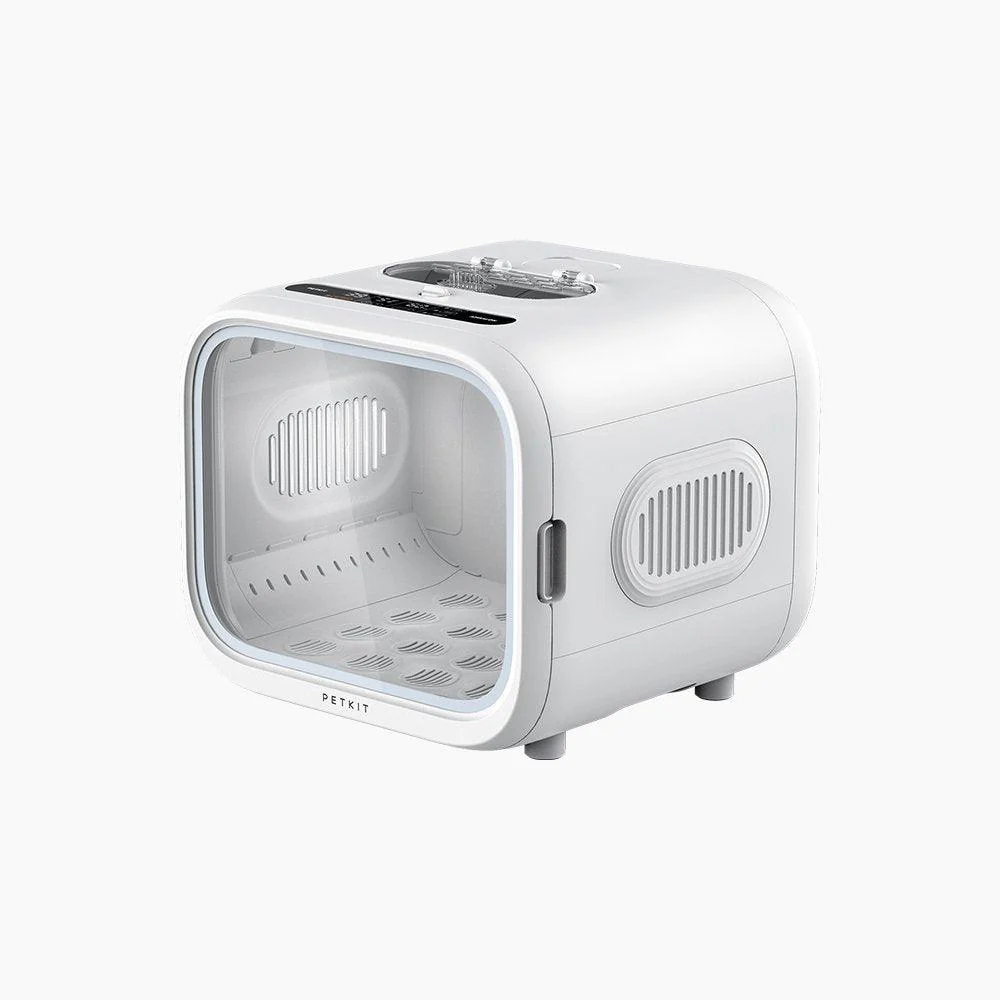
PETKIT AIRSALON Smart Pet Dryer Box
$622.99 AUD
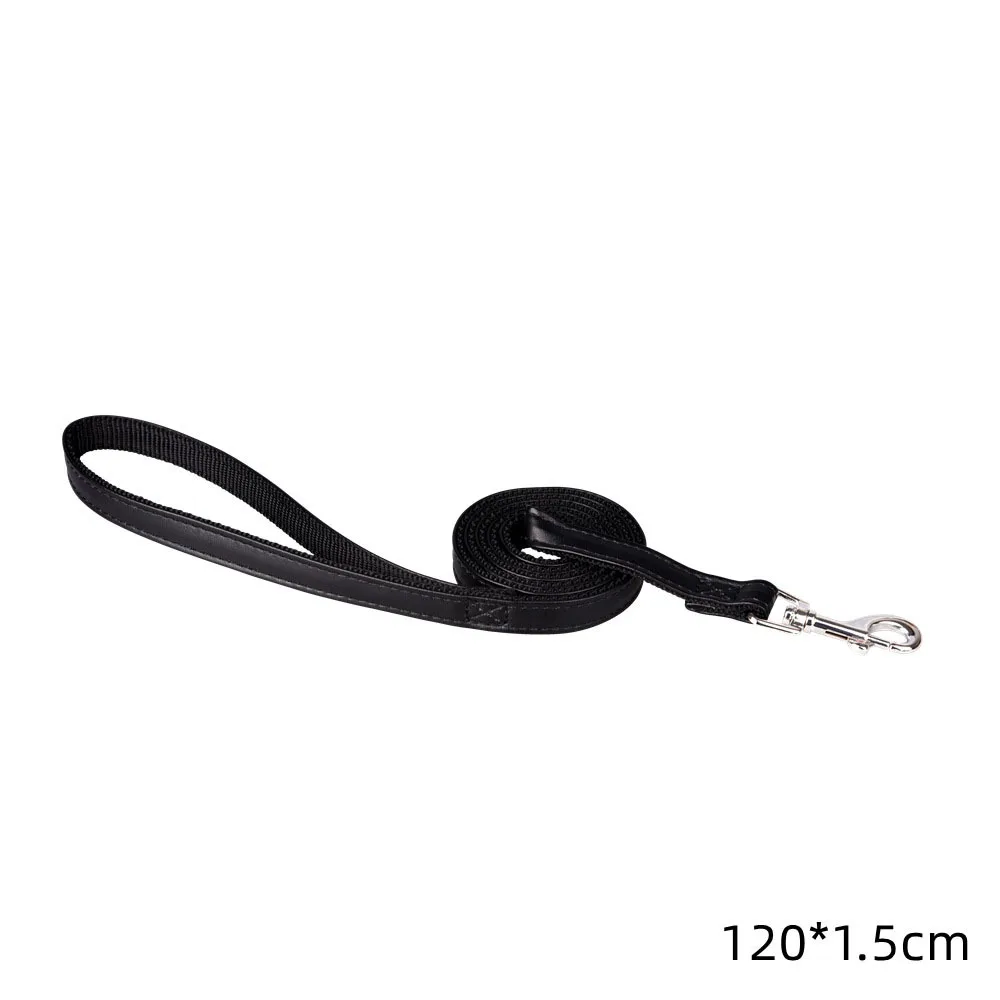
Premium Dog Training Leasg
$29.99 AUD

Argyle Dog Car Seat Cover
$87.99 AUD
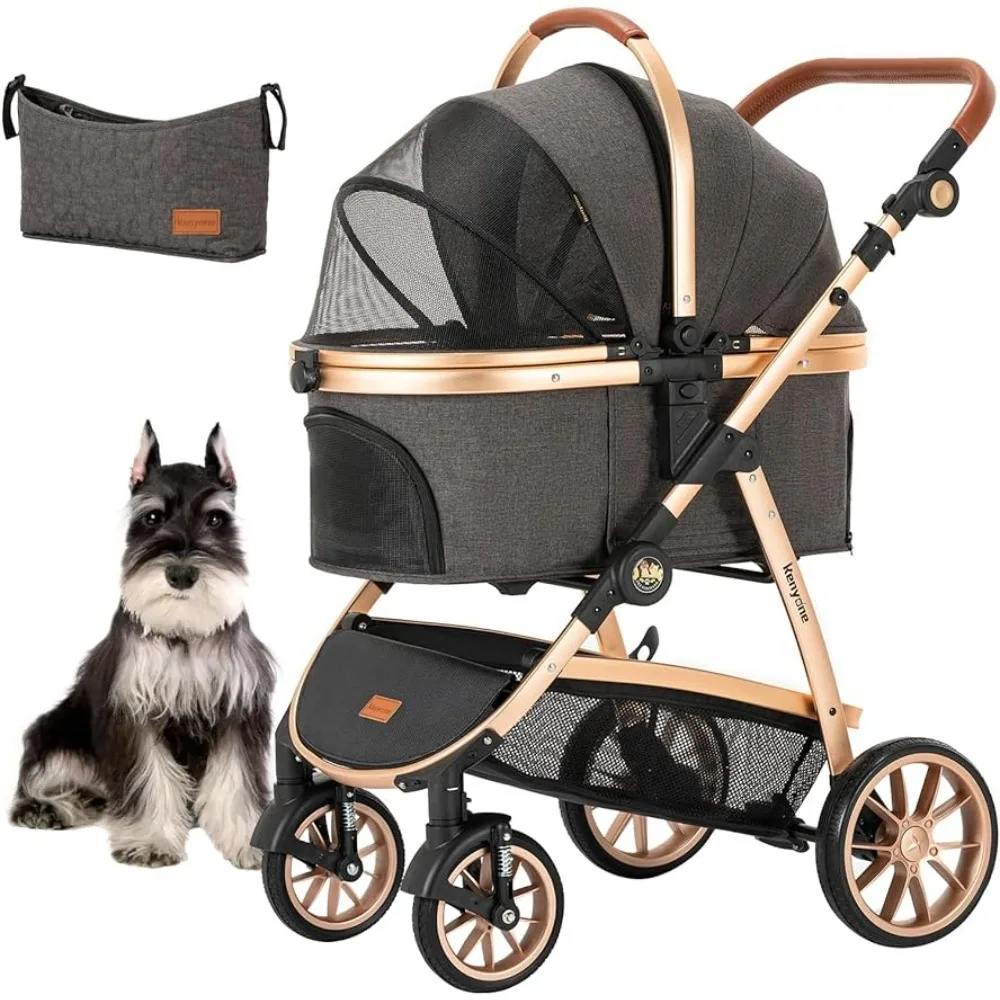
Durable Pet Carrier
$536.99 AUD