What Are the Benefits of Owning a Pet?
Quick Answer:
Owning a pet can lift your mood, get you moving, soothe stress, and offer daily companionship. Pets also help kids learn responsibility and bring life to any home.
What Are the Emotional Benefits of Owning a Pet?
You can’t bottle comfort, but you can bring it home on four legs. Pets fill quiet rooms with presence. They stretch across your couch like they’ve paid rent and nuzzle their way into your routine with gentle persistence.
Whether it’s the steady breathing of a sleeping dog beside your bed or the warm weight of a purring cat on your chest, animals provide the kind of grounding people often struggle to find. They don’t pepper you with questions or offer forced advice—they simply stay. And that kind of presence can feel like a soft anchor when everything else seems to sway.
Many people say their pet got them through breakups, grief, or long patches of solitude. The emotional lift doesn’t come from tricks or toys—it comes from shared time, silent understanding, and the quiet comfort of having someone who sticks around no matter your mood.
Do Pets Help With Mental Health?
Absolutely—and not in a vague, feel-good kind of way. Countless people feel steadier, calmer, and more at ease when they’ve got a furry companion padding around the place. Routine plays a big part in that. Knowing you’ve got to get up, scoop the food, fill the water, or clip on the lead gives structure to the foggy days when motivation’s in short supply.
Physical closeness helps too. Stroking a cat’s back, feeling the soft thud of a dog’s tail against your leg, or hearing the whirr of a guinea pig in its hutch can pull your focus away from spiralling thoughts and back into your body. That’s not just poetic thinking—studies have shown pet interaction can regulate stress responses and reduce cortisol levels, easing the kind of low-level pressure that hums just under the surface for many of us.
And let’s not forget how they tune into you. Pets notice when your voice drops, when your pace slows, or when you’ve stayed in bed too long. They might not speak your language, but they respond to tone, rhythm, and energy with a kind of sensitivity that feels tailor-made for bad days.
Can Pets Make You More Active?
Absolutely. A dog doesn’t let you stay glued to the couch for long. Even the laziest lounge hound eventually trots to the door, plops down in front of it, and fixes you with that unmistakable look—the one that says “Shoes. Now.” And once the lead’s in your hand, your feet tend to follow. Owning a pet, especially one with paws built for the pavement, can nudge you into a walking habit without needing a fitness app or a New Year’s resolution. You move because they need it—and eventually, so do you.
But it’s not just dogs doing the legwork. Cats have their moments too. Toss a toy mouse across the floor, and watch them launch after it with more grace than a gymnast. Then do it again. And again. Before long, you’re crawling, tossing, scooping, and laughing, all while shaking off the stiffness that creeps in during screen-heavy days.
Even smaller pets—rabbits, ferrets, or parrots—pull you into motion. They need their spaces cleaned, their water changed, their toys moved about. You crouch, stretch, bend, fetch. It might not look like exercise, but your body clocks it. And your mood does too.
Do Pets Reduce Stress?
Without a doubt—and they don’t even try that hard. A soft head resting on your knee, a gentle nudge under your hand, the rhythmic thrum of a purr—all of it works better than most relaxation apps you’ll ever download. There’s something about petting an animal that slows you down. Your breath deepens. Your shoulders drop. Blood pressure ticks downward.
These aren’t guesses—they’re findings backed by study after study. The act of petting a dog or cat sets off a kind of internal switch that quiets the noise. Even just watching pets can do the trick. Fish gliding through an aquarium, tails swaying like seaweed. Birds fluffing their feathers and hopping from perch to perch. That slow, deliberate movement draws your attention and holds it. Your mind steps out of overdrive, and for a moment, the edges soften.
Stress relief doesn’t have to roar. Sometimes, it pads into the room, circles three times on the rug, and falls asleep beside you.
Are Pets Good for Families and Kids?
In spades. A pet doesn’t just join the family—they carve out their own corner in it. They become the morning greeter, the afternoon sidekick, and the bedtime comforter. And for kids, that bond plants deep roots. A child with a pet often learns things no whiteboard ever teaches. They feed something smaller than themselves, clean up messes they didn’t make, and notice when another living thing needs space or a quiet pat. That’s not just care—it’s empathy, stitched into daily life.
Pets also sprinkle structure into family routines. Morning walks turn into shared moments. Feeding time becomes a task passed between siblings. Even small chores—filling a water bowl, brushing fur—build a quiet kind of responsibility that sticks. And then there’s comfort.
For many kids, especially those working through big feelings or new changes, pets offer a steady presence that listens without judgement. They sit close when the tears come. They celebrate the little wins. They show up, again and again, with no expectations and all the affection. Pets don’t just teach kids how to care—they remind them what it feels like to be needed, noticed, and loved without condition.
Can Pets Help with Socialising?
Yes—and in ways you might not expect. A dog on a lead breaks the ice quicker than any conversation starter. People nod. They smile. They ask, “What breed?” or “How old?” and before you know it, you’re swapping names while your dogs tangle their leads.
Pet owners often cross paths in parks, on trails, even in vet waiting rooms. These chance meetings turn into chats, which sometimes turn into friendships. The pet opens the door—the humans just walk through it. And it’s not just dog owners who benefit. Cat lovers trade stories online. Bird keepers swap tips at supply shops. Ferret people find each other like magnets in a crowd.
Shared care builds shared language. For those who struggle with small talk or shy away from group settings, pets offer an anchor. They fill silences. They give you something to focus on. And they pull people into your orbit in a way that feels natural, not forced.
Conclusion: Life’s Better with a Pet
Life with a pet isn’t always clean. There’s fur on the couch, drool on the floor, and the occasional torn sock. But there’s also connection, comfort, and a kind of steady companionship that’s hard to find elsewhere.
Whether you’re flying solo, raising kids, sharing a flat, or just looking to fill some empty space, the right pet brings more than company—they bring meaning. You care for them, and they return the favour in spades.
Related posts:




You must be logged in to post a comment.


Dachshund Pet Stairs
$135.99 AUD

PETKIT AIRSALON Smart Pet Dryer Box
$622.99 AUD
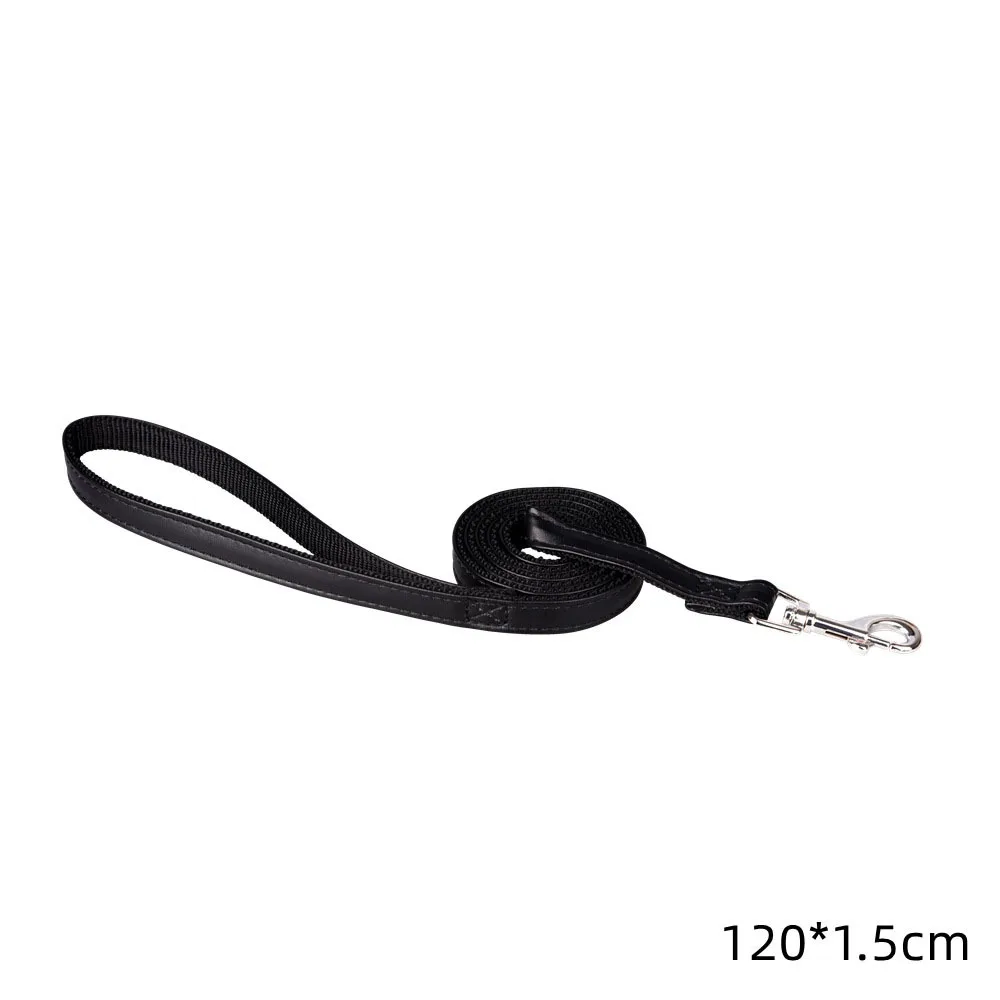
Premium Dog Training Leasg
$29.99 AUD

Argyle Dog Car Seat Cover
$87.99 AUD
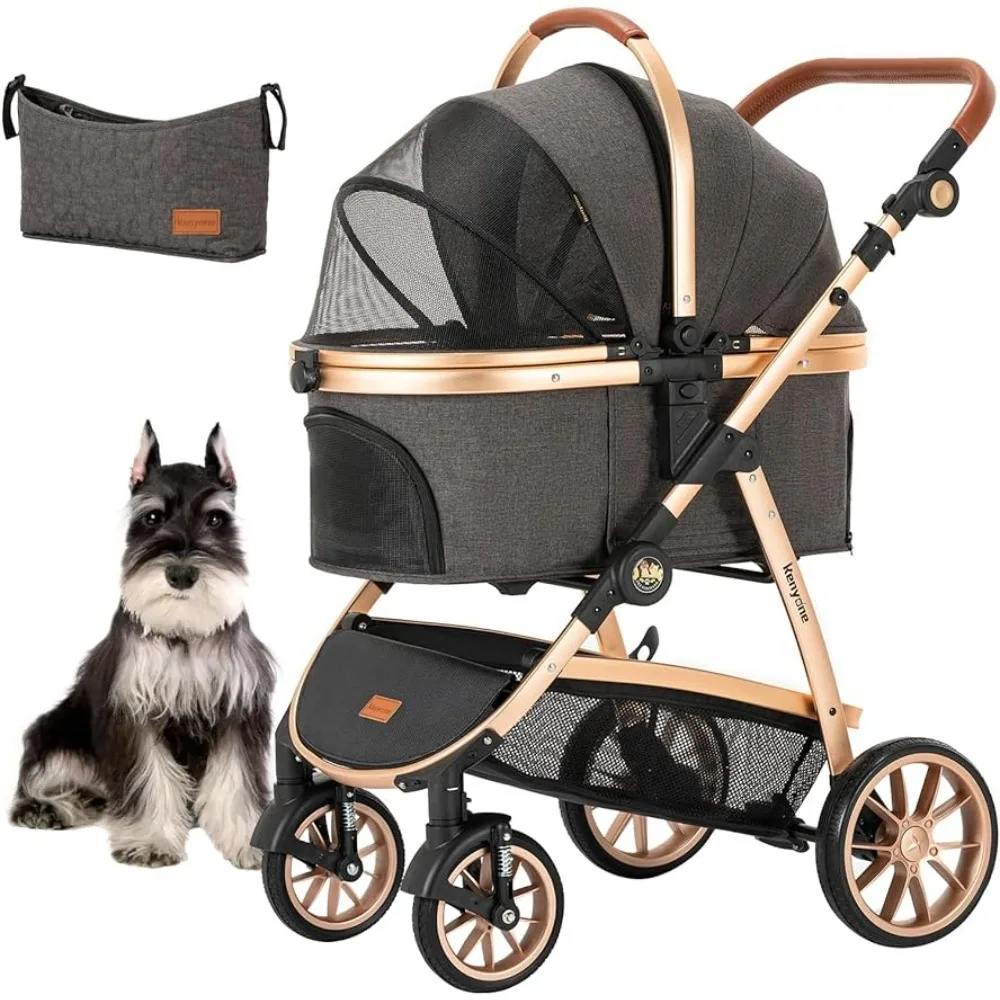
Durable Pet Carrier
$536.99 AUD