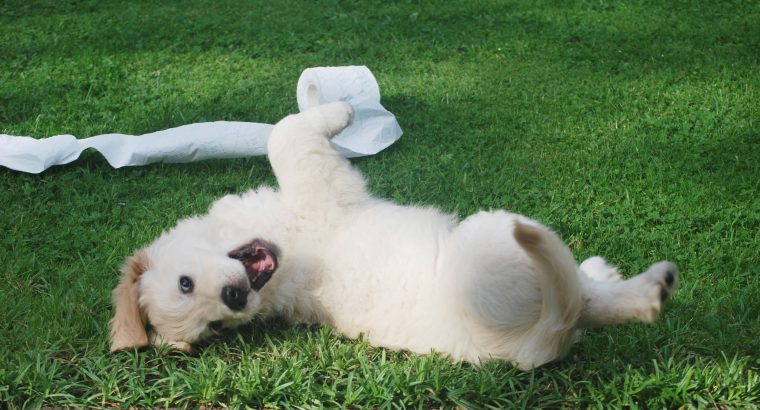
5 New Puppy Essentials for a Stress-Free First Month
Bringing home a new puppy is one of those life moments that feels sweet, messy, and a little surreal all at once. One minute, they are curled up in your lap like the perfect angel. The next, they are chewing a shoelace, crying at 2 am, or leaving a puddle on the rug you forgot to puppy-proof.
That first month is full of love, photos, cuddles, and tiny milestones. It can also feel like a crash course in toilet training, feeding, sleep routines, boundaries, and puppy health. A smooth start does not happen by accident. It comes from having the right setup before the chaos begins.
Most new puppy checklists cover the basics: lead, collar, food bowl, bed, toys, and puppy food. Those matter, of course. But there are a few less obvious essentials that can save your floors, protect your puppy’s body, support early training, and make the first 30 days feel less frantic.
Here are five game-changing puppy essentials every new Australian puppy parent should consider before their little one arrives.
5 New Puppy Essentials for a Stress-Free First Month
1. A High-Grade Enzyme Cleaner for Potty Mishaps
Toilet training takes time. Even clever puppies need repetition, routine, and patience before they understand where they should go. In the meantime, accidents will happen.
The problem is that many standard household cleaners only mask the smell. Some also contain ammonia-based ingredients, which can smell similar to urine to a dog’s sensitive nose. That means your puppy may keep returning to the same spot because, to them, the scent marker still says, “This is the toilet.”
A bio-enzymatic cleaner works in a different way. Instead of covering the smell, it breaks down the organic proteins found in urine, faeces, and vomit. This helps remove the odour at the source and reduces the chance of repeat accidents in the same place.
For homes with carpets, rugs, floorboards, tiles, or rental flooring, this is one of the best items to have ready before your puppy comes home. Buying through official petlab stockists also helps ensure you are getting a commercial-strength formula suited to deep cleaning and odour control.
Why it’s a lifesaver:
- Helps remove urine odours at the source
- Reduces repeat toileting in the same spot
- Supports house-training during the messy first weeks
- Helps protect rugs, carpets, and hard floors
2. Precision Digital Scales for Health Tracking
During puppyhood, weight tells an important story. A healthy puppy should gain weight in a steady pattern, with growth that suits their breed, age, and body type. Sudden weight loss, stalled growth, or rapid weight gain can signal a health issue, feeding problem, parasite burden, or diet mismatch.
Vet checks are essential, but most puppies will not see the vet every few days. That means changes can be missed between appointments. Having accurate scales at home helps you monitor your puppy’s progress and notice changes before they become serious.
This is useful for small breeds, young puppies, and litters, where a small weight change can matter. Sensitive puppy scales allow you to track growth down to the gram, which can help with feeding amounts, worming doses, and general development.
For new owners, a simple weekly weigh-in can bring peace of mind. Keep a small notebook or phone note with the date, weight, food changes, and any health observations. This gives your vet useful information if your puppy ever seems unwell.
Why it’s a lifesaver:
- Helps track healthy growth
- Supports correct feeding portions
- Can reveal early health changes
- Gives your vet better information at check-ups
3. A Gentle Tool for Sound and Boundary Training
Puppies communicate with their whole body, and barking is part of that. They bark when they are excited, unsure, tired, hungry, bored, or seeking attention. Some barking is normal. The goal is not to silence your puppy, but to teach them when barking is not useful.
Demand-barking at the dinner table, barking for attention, or whining each time you leave the room can become a habit if it gets rewarded. The tricky part is that shouting “No!” often adds more noise to the situation. To a puppy, it can sound like you have joined in.
A sound cue can help interrupt the behaviour without fear or force. An adjustable dog barking whistle can be used as a gentle distractor during training. The aim is not punishment. The aim is to break your puppy’s focus for a second, then guide them into the behaviour you want.
For example, if your puppy barks at the table, use the sound cue to interrupt, then ask for “sit” or “on your mat” and reward that calm choice. This teaches your puppy what earns attention, instead of leaving them to guess.
Why it’s a lifesaver:
- Helps interrupt unwanted barking patterns
- Supports calm boundary training
- Gives owners an alternative to shouting
- Works best when paired with praise and rewards
4. Spinal and Joint Protection for Long-Bodied Breeds
Puppies may look bouncy and tough, but their bodies are still developing. Their joints, bones, and growth plates are not yet mature. Repeated jumping from couches, beds, stairs, or car seats can place strain on growing limbs and backs.
This matters for many breeds, but it is extra important for long-bodied or short-legged dogs. Mini Dachshunds, Corgis, and similar body types can be more vulnerable to spinal stress. Even popular family dogs like Cavoodles can benefit from lower-impact movement while they are growing.
The best approach is prevention from day one. Instead of letting your puppy learn to launch off furniture, teach them to use a ramp. A high-traction dachshund ramp can help reduce harsh landings while still letting your puppy join the family on the couch or bed when allowed.
Start training with treats. Place the ramp on a stable surface, reward your puppy for looking at it, stepping on it, then walking up and down. Keep sessions short and positive. The earlier the habit forms, the easier it is to protect their back and joints as they grow.
Why it’s a lifesaver:
- Reduces jumping from furniture
- Supports developing joints and growth plates
- Helps protect long backs and short legs
- Builds safe movement habits from puppyhood
5. An Ultra-Cozy Support Station for Crates or Beds
The first few weeks away from a puppy’s mother and littermates can feel overwhelming for them. They are adjusting to new smells, sounds, people, routines, and sleeping spaces. Night-time can be the hardest part, as the house goes quiet and they realise their littermates are no longer beside them.
Comfort matters. Puppies often settle better when they have a soft, warm, cocoon-like space that feels safe. This can be inside a crate, beside your bed, under your desk, or in a quiet corner of the living room.
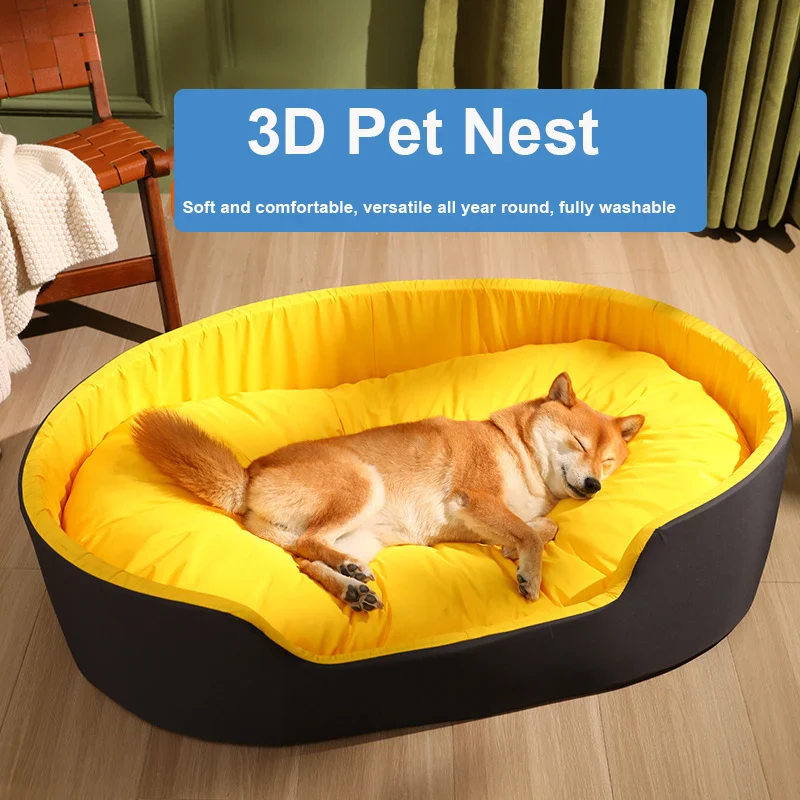
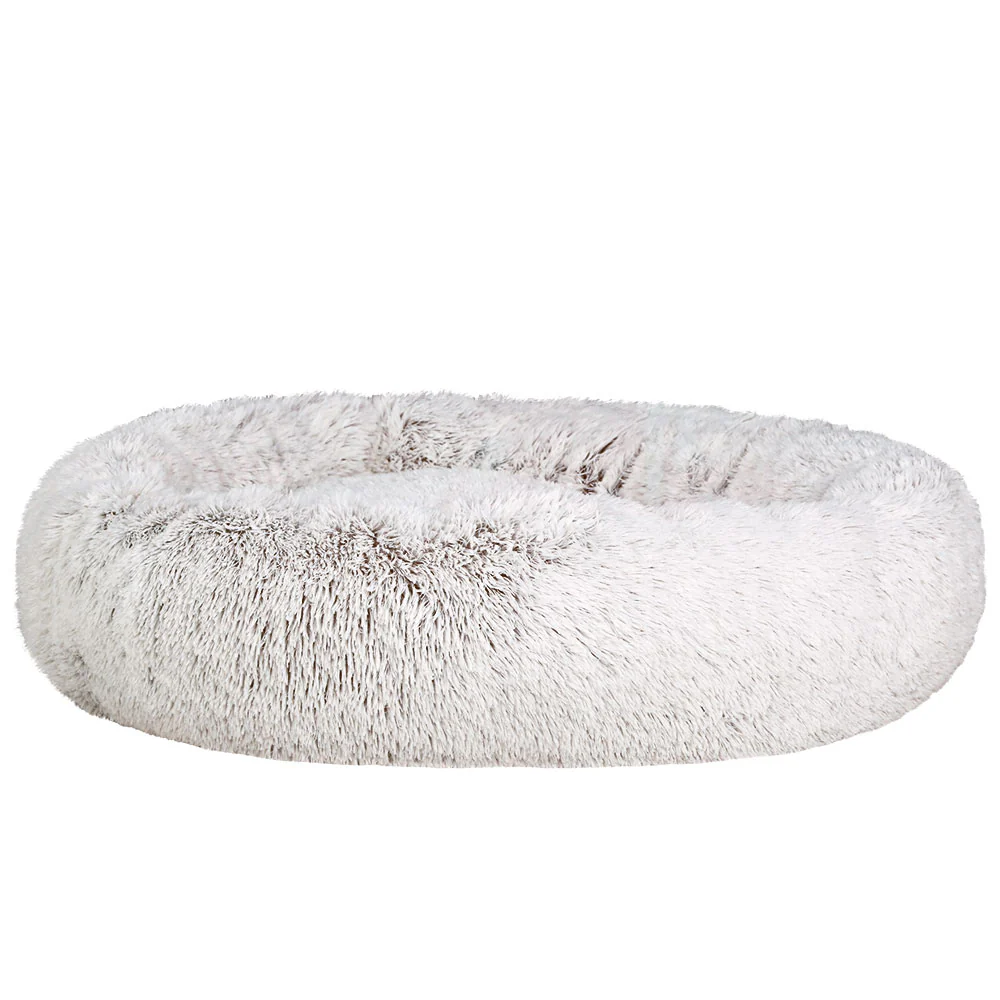
A plush, deeply contoured cushion can help create that safe base. While it may be designed as a cute home accessory, a soft cat paw cushion can also work as a comforting puppy rest spot in a crate, floor nook, or supervised lounge area.
Pair it with a steady bedtime routine. Take your puppy out to toilet, keep the lights low, avoid rough play late at night, and guide them to their sleep space with calm praise. The goal is to help them feel secure, not isolated.
Why it’s a lifesaver:
- Creates a soft, secure resting place
- Helps ease bedtime stress
- Supports crate and nap routines
- Gives your puppy a safe place to settle
Final Thoughts
The puppy phase is short, sweet, and chaotic. There will be accidents, chewed corners, late-night toilet trips, and moments where you wonder whether your tiny dog is running the household.
The good news is that the first month becomes much easier when you prepare for the real challenges, not just the cute ones. A strong cleaner protects your home. Scales help you track health. Training tools support better habits. Ramps protect growing bodies. A cosy rest space gives your puppy a safe place to land.
With the right gear and a simple routine, you can spend less time reacting to problems and more time enjoying the puppy you have waited for.
Want to make your first month together a breeze? Secure all your early training and wellness gear today at the PetsForHomes Shop.
Related posts:


You must be logged in to post a comment.

Dachshund Pet Stairs
$135.99 AUD
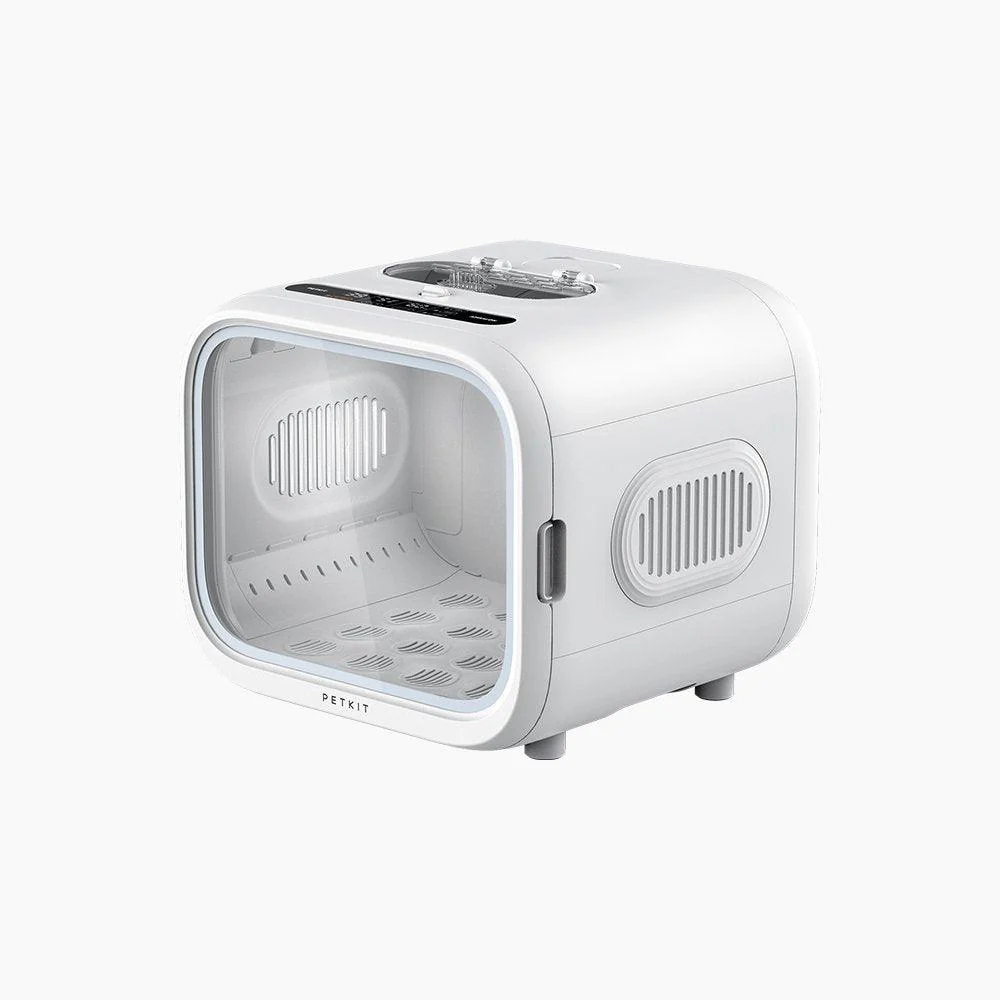
PETKIT AIRSALON Smart Pet Dryer Box
$622.99 AUD
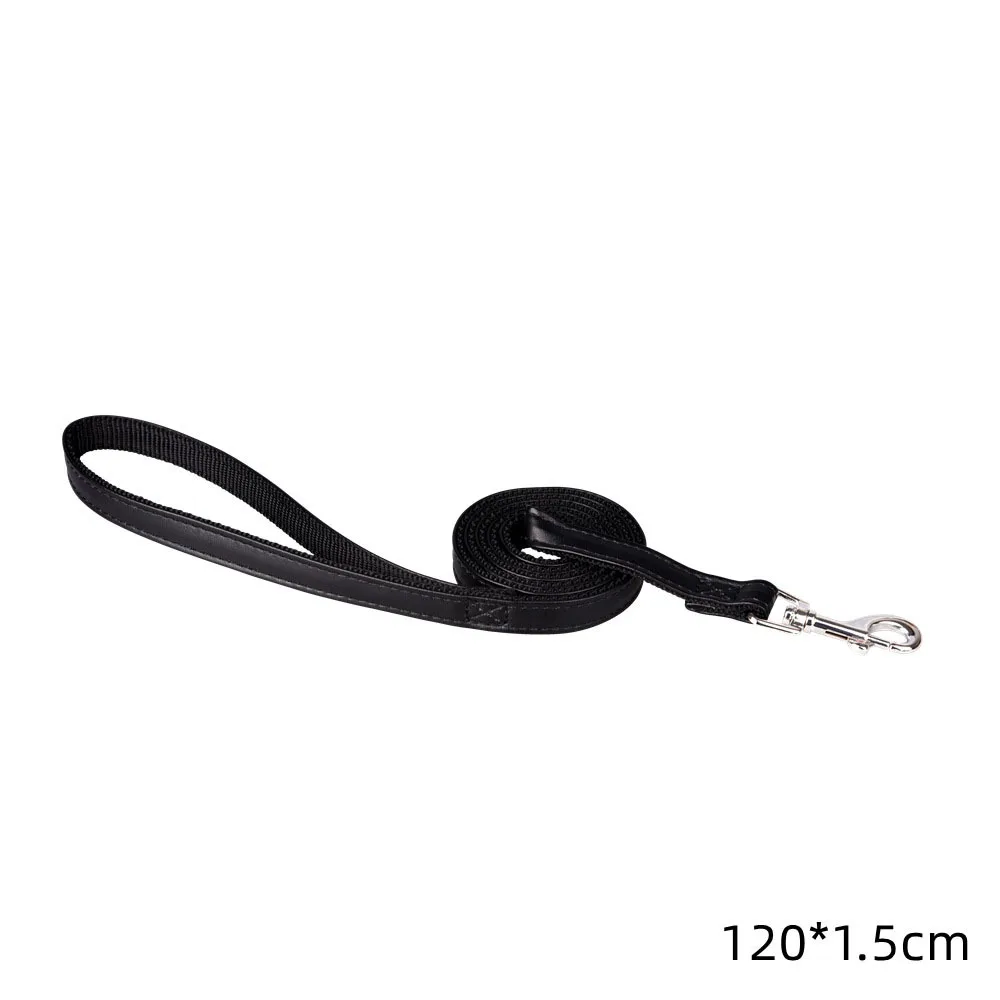
Premium Dog Training Leasg
$29.99 AUD
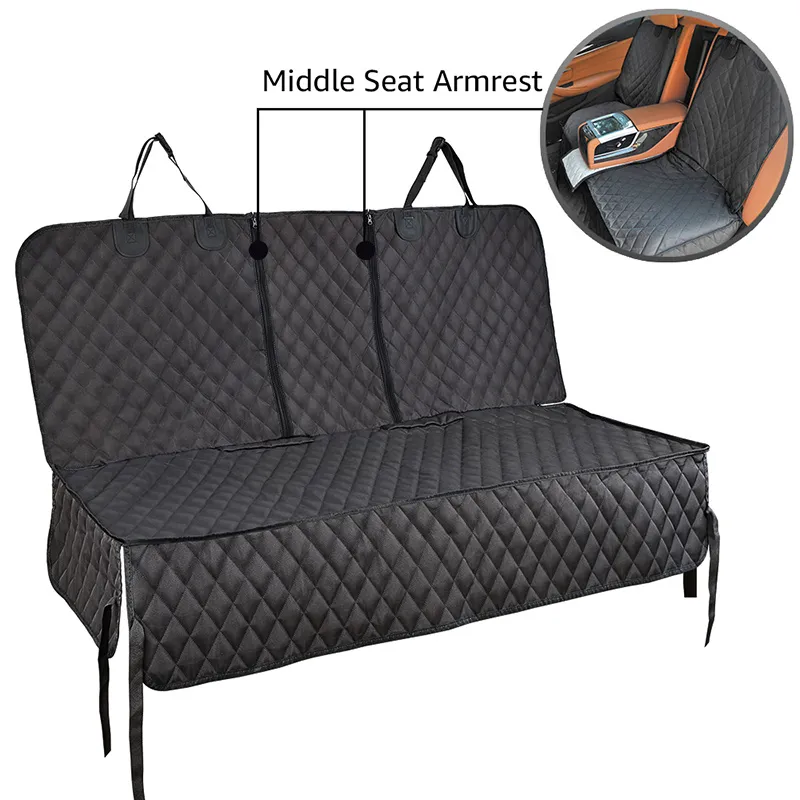
Argyle Dog Car Seat Cover
$87.99 AUD
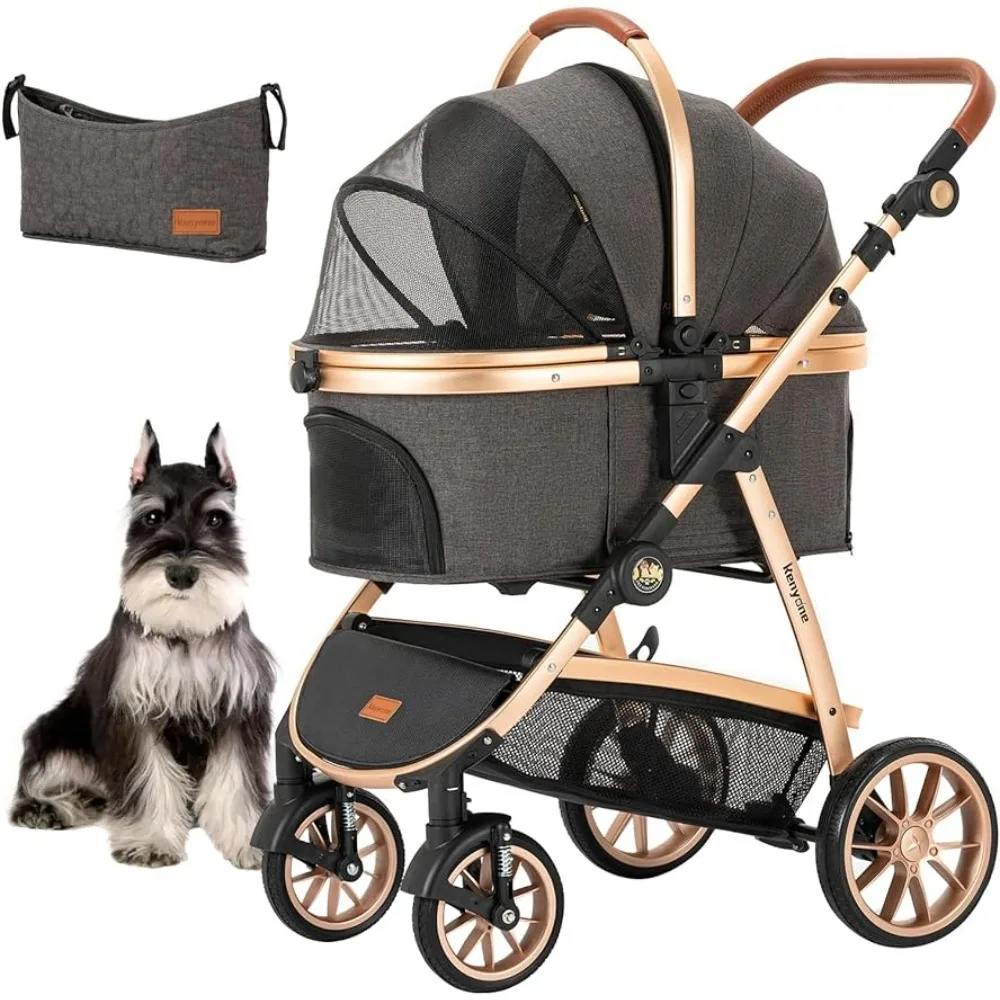
Durable Pet Carrier
$536.99 AUD