Everything You Need to Know About Caring for Older Dogs
Many dogs reach a stage where they are considered to be old or aging. There’s something special about having an older dog, who has long outgrown puppyhood and knows their humans well. However, when dogs get older, their needs can start to change.
Whether your dog is just starting to get up there in age or they’re well into their twilight decade, this guide will tell you everything you need to know about older dogs as a pet owner in Australia.
When Is a Dog Considered “Old”?
The answer depends more on size than years. As a general guide:
- Small breeds (under 10 kg) are considered seniors at around 10–12 years
- Medium breeds (10–25 kg) enter their senior years at around 8–10 years
- Large breeds (25–45 kg) are seniors from roughly 7–8 years
- Giant breeds (over 45 kg) can be considered senior as early as 5–6 years
This is because larger dogs tend to age faster physiologically. A 7-year-old Great Dane, for instance, is far more “senior” than a 7-year-old Cavalier King Charles Spaniel.
Common Health Changes in Older Dogs
There are some physical changes you should look out for when your dog starts to age. Knowing what to look out for can help you prepare properly.
Joints and mobility. Arthritis is one of the most common conditions that impacts older dogs. You might see that your dog is slower to get up in the morning, less keen to do physical activity like climbing stairs or going for walks, and so on.
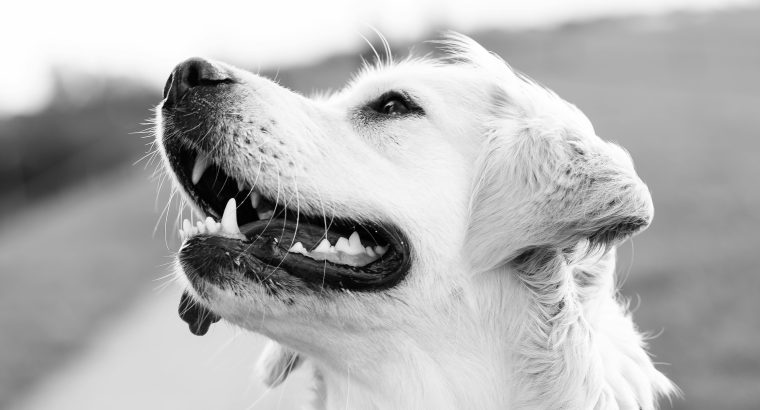
Dental health. Dental disease accumulates over a lifetime. Older dogs are at higher risk of painful tooth decay, gum disease, and tooth loss, all of which can affect their ability and willingness to eat. Regular dental checks and professional cleans become increasingly important.
Vision and hearing. Just as humans can develop cataracts, dogs often experience a cloudy blue-grey appearance in their eyes’ lenses. This condition, called nuclear sclerosis, is normal with older dogs and doesn’t impair their vision. However, true cataracts, which can cause blindness, aren’t unusual. Hearing loss is also common. If your dog appears less responsive to your voice or is frequently startled by your sudden approach, it’s not that they’re being stubborn — they may simply can’t hear you!
Weight changes. Many older dogs start to gain weight. Some, however, lose weight. A visit to the vet is a good idea if your dog is losing weight.
Cognitive changes. Canine Cognitive Dysfunction (CCD) – the dog equivalent of dementia, causes symptoms such as disorientation, changes in sleep patterns, forgetting learned behaviours, and increased anxiety. This is more common than you might think, but there are medications and dietary supplements to help.
Nutrition for Senior Dogs
The nutritional needs of older dogs differ meaningfully from those of younger animals. Most senior dogs benefit from:
High-quality protein. Dogs need protein to maintain muscle mass, and as dogs get older, their muscles begin to waste. Unless your dog has developed a kidney condition that requires him to reduce protein intake, he should have more protein, not less, as he ages.
Fewer calories. Older dogs that are less active require fewer calories, so there are many dog food options on the market formulated with fewer calories.
Joint-supporting nutrients. Omega-3 fatty acids (found in fish oil), glucosamine, and chondroitin have good evidence behind them for helping joint health. These may be included in many senior foods, or added as supplements.
Easier digestibility. Some older dogs have more sensitive digestive systems. When changing your dog’s food, it is important to transition to the new food over a period of 7-10 days to avoid digestive upset.
If your dog has lost interest in his or her food, it is worth having the teeth checked, as pain when eating is a very common and very overlooked reason for older dogs losing interest in their food.
Exercise: How Much Is Right?
The urge to restrict exercise in older dogs can be counterproductive. Gentle, regular exercise is one of the best things you can provide for an older dog. It preserves muscle mass, keeps joints mobile, maintains healthy weight and adds enrichment to their world.
The word to note is regular. Daily 20-minute walks are a far better scenario than a sedentary week followed by a long hike on the weekend. “Weekend warrior” scenarios can do real damage to older bodies.
Learn to read your dog. Things to watch for that indicate exercise was over the top include excessive panting, stiffness afterwards, lameness or reluctance to move the next day. Indicators that they’ve enjoyed and benefited from exercise include a waggy tail, good appetite and sound sleep.
Swimming is an ideal form of exercise for older dogs with joint issues, providing cardio and muscle benefits without impact. Many dog-friendly beaches and hydrotherapy pools are available in Australia’s major cities, and hydrotherapy is becoming available from veterinary physiotherapists.
Comfort and Quality of Life at Home
Small changes to your home environment can make a significant difference to an older dog’s comfort and confidence.
Bedding. An orthopaedic dog bed with memory foam or high-density foam is a worthy investment for an arthritic dog. Make sure it’s easy to get in and out of — low sides or no sides are better than beds your dog has to step over or into.
Non-slip surfaces. Older dogs often struggle on polished floorboards or tiles, especially when getting up from rest. Non-slip rugs or yoga mat runners can prevent falls and reduce anxiety around movement.
Ramps and steps. If your dog used to jump up on the couch or into the car but now hesitates, a ramp or set of pet steps lets them continue to access these spaces without the impact of jumping.
Warmth. Australia is generally warm, but older dogs — particularly lean breeds or those with little body fat — can feel the cold more acutely. A dog coat for cooler nights and a warm sleeping spot away from draughts can help.
Routine. Older dogs, particularly those experiencing cognitive changes, thrive on predictable routines. Consistent mealtimes, walk times, and sleep locations reduce anxiety and help orient dogs who may be experiencing some cognitive decline.
Veterinary Care for Senior Dogs
Older dogs and senior dogs should be taken to the vet twice a year rather than once annually. A lot can change in six months, and it’s always better to catch something early, whether it’s kidney disease, heart disease, hypothyroidism, cancer, or any other condition.
Many diseases are detectable through blood work before they develop symptoms, so getting a senior wellness screen done might be a good idea. These panels are specifically designed for older dogs and include tests like complete blood count, biochemistry, urinalysis, blood pressure, and a thyroid check.
The Emotional Life of Older Dogs
Older dogs probably understand more than you think. They might be more sensitive to changes in their environment or even feel your stress. They might even grieve the loss of other pets.
But they also have to deal with the frustration of their changing bodies. So they might seem a little grumpy compared to a few years ago. They might be in some pain.
Many dogs also become more affectionate as they get older, though, and they might be more in tune to your feelings. This is one of the best things about dogs getting older — the close relationship you can develop as a result of so much experience together.
Adopting an Older Dog
One last thing to consider—rescue organisations across Australia consistently find that older dogs are the hardest to rehome. These dogs are some of the most rewarding to own, and what they need to adapt well to new homes and bond with new owners is patience and the same care described in this article. If you’ve been considering bringing a dog into your home, an older dog might be exactly the companion you’ve been looking for.
Final Thoughts
When a dog has reached the later stages of its life, providing for that dog is often the owner’s way of showing gratitude for the loyalty and love that dogs provide throughout the years when they are younger.
The signs of ageing that replace the once-black fur of an older dog, or the slower pace that a dog may take during various activities, or the longer naps that older dogs require are all signs of a life well-lived. With the right nutrition, care, and changes to its living environment, an older dog can experience a comfortable, happy, and dignified old age. For most owners, these golden years are some of the most precious of all.
Related posts:



You must be logged in to post a comment.


Dachshund Pet Stairs
$135.99 AUD

PETKIT AIRSALON Smart Pet Dryer Box
$622.99 AUD
Premium Dog Training Leasg
$29.99 AUD

Argyle Dog Car Seat Cover
$87.99 AUD
Durable Pet Carrier
$536.99 AUD