Understanding Breed Temperament: How to Choose the Right Pet for Your Home
Finding the perfect pet for your family is a decision that comes with great rewards. However, as with any other important decision, there is much to consider. Although there are several physical attributes of pets that potential pet owners will consider when choosing a new pet, experts in the field of pet ownership and pet behaviour agree on one thing above all: breed temperament is the most important consideration.
Regardless of whether you’re considering adding a dog, a cat, or even some other small animal to your household, understanding their temperament is one of the best ways to find a pet that matches your lifestyle and dynamic.
What Is Breed Temperament?
Breed temperament refers to the characteristics and personalities of the dogs of a specific breed. These characteristics were formed over time through breeding dogs with specific characteristics for specific purposes.
Temperament includes a range of qualities such as:
- Energy level — Is the breed naturally high-energy and active, or calm and relaxed?
- Sociability — How does the animal typically interact with strangers, other pets, and children?
- Independence vs. affection — Does the breed tend to be aloof and self-sufficient, or does it thrive on close human contact?
- Trainability — How responsive is the breed to commands and consistent training?
- Prey drive — Particularly relevant for dogs and cats, this refers to the instinct to chase or hunt smaller animals.
- Adaptability — Can the breed comfortably adjust to changes in environment, routine, or household size?
While all breeds may have a temperament associated with them, it does not mean that every dog of that breed will have that temperament. Each dog is an individual, and their temperament may be different from the others of the same breed. However, knowing the temperament of a breed in general can still provide prospective dog owners with a solid foundation for their selection of dog breed.
Why Breed Temperament Should Guide Your Decision
Many Australians make the mistake of choosing a pet for purely aesthetic and popular reasons. The Golden Retriever is the perfect pet for many owners — but what if you don’t understand the temperament of the breed? Bengal cats are strikingly beautiful — but what if their care demands are beyond what you can offer? Choosing a pet without understanding the temperament of the breed can result in pet ownership challenges you did not anticipate.
One of the leading causes of pets being rehomed in Australia is due to temperament issues. Many dogs in shelters were rehomed due to owners not understanding the temperament of their breed. Ensuring that owners understand the temperament of their pets before they own them can save them and their pets from heartbreak.
Dog Breed Temperament: A Guide for Australian Families
High-Energy Breeds
Border Collies, Australian Shepherds, and Kelpies are all breeds of dogs that have high levels of both energy and intelligence. These breeds naturally have strong temperaments indicating their need for a job to do, their focus on that job, and their herding instincts. Thus, these breeds are intelligent pets for owners that can supply the energy and time to keep the dog mentally and physically stimulated. Without that energy and time, these dog breeds can become destructive and anxious when left alone.
Labrador and Golden retrievers are two of the most popular dog breeds with families. These breeds have the temperament required to be great family dogs, as they get along with children and other pets well, are intelligent and easily trained, and need daily exercise, although they are more adaptable to living in suburban areas than herding dog breeds.
Calm and Gentle Breeds
Cavalier King Charles Spaniels are a breed that is known for its affectionate and gentle breed temperament. These dogs do well in apartments and with families with young or elderly children. However, their social nature means that they can suffer from separation anxiety if left alone for long periods.
Basset Hounds have a laid-back and easy going temperament; they are very patient, loyal, and not often aggressive with strangers or others around the dog. Their slower pace of movement makes them an appropriate dog for those with less active lifestyles at home, but their stubborn nature means more patience is required to train these dogs.
Independent and Protective Breeds
German Shepherds, Rottweiler and Malinois are all dog breeds whose temperaments naturally incline towards loyalty, intelligence and protection. These breeds tend to make excellent family dogs when socialised and trained during their youth. However, they are not recommended for first-time dog owners.
Chow Chows and Akitas tend to be more reserved and independent by nature. These breeds tend to be more wary of strangers and have a strong territorial instinct, but form strong bonds with the members of their family. Socialisation when puppies are young is required to ensure they are well adjusted to society.
Cat Breed Temperament: Finding Your Feline Match
Cats are often considered more independent than dogs, but breed temperament plays a significant role in how much interaction and stimulation a cat will need.
Ragdolls live up to their name with their temperament. They are docile and gentle cats who enjoy being held. Ragdolls make great companions for families or those who live in apartments. However, they are not particularly adventurous cats.
Bengals are strikingly beautiful cats with a striking breed temperament. Bengals are very active and intelligent cats, often described as “dog-like” in their behavior towards playing and interacting with their owners. Bengals are not well-suited to homes with very inactive or quiet lifestyles.
British Shorthairs are calm and have a steady temperament. These cats are very affectionate but not demanding. They are independent and make good pets for working professionals and families.
Siamese cats are very vocal and social cats. Their temperament indicates a desire for human attention and interaction. These cats do well when they are around people and not left alone for long periods of time.
Small Animals and Breed Temperament
Breed temperament isn’t limited to cats and dogs — it’s equally relevant when choosing rabbits, guinea pigs, birds, and other small pets.
Holland Lop and Mini Rex rabbits have calm and friendly dispositions, making them suitable for households with young children. New Zealand White rabbits can be more skittish and are better suited for owners with experience with rabbits.
Among guinea pigs, the Peruvian breed is known for being particularly gentle and sociable, while Abyssinian guinea pigs are often more energetic and inquisitive.
For birds, the temperament of the breed (or species) can vary enormously. For example, budgerigars tend to be social birds that are easy to tame, but Cockatoos tend to have a high maintenance temperament requiring a lot of attention. Finally, African Greys are intelligent birds, but can become anxious and exhibit feather-plucking behaviours if their mental needs are not met.
Matching Breed Temperament to Your Lifestyle
Here’s a practical framework to help you identify the right match:
Consider your living situation
Apartment dwellers should prioritise breeds with lower energy levels and a calm breed temperament. Large backyards open up options for more active, boisterous breeds.
Think about your household
Homes with very young children benefit from breeds known for patience and gentleness. If you have other pets, research how a breed’s temperament typically interacts with other animals — particularly regarding prey drive.
Be honest about your activity level
A Border Collie in the hands of an active, outdoorsy owner is a dream. The same dog in a sedentary household becomes a problem. Match your energy to theirs.
Factor in time at home
Highly social breeds with clingy temperaments — like Cavalier King Charles Spaniels, Vizslas, or Siamese cats — need a lot of human contact. If you work long hours, look for breeds with a more independent temperament.
Think long-term
Pets live for many years. A puppy’s temperament matures over time, and some breeds don’t fully settle until they’re 2–3 years old. Research what an adult animal’s breed temperament typically looks like, not just the puppy phase.
A Word on Individual Variation
While the temperament of the breed will give you an idea of the animal’s personality, every animal is an individual. Factors such as their socialisation, breeding and environment will play a role in the animal’s personality.
When meeting prospective pets with breeders or at adoption centres, observe the animal’s behaviour around you. Reputable breeders and adoption centres will be honest about the animal’s personality and any behavioural characteristics that the animal has exhibited.
Final Thoughts
Choosing a pet is a long-term commitment — one that requires considering factors like pet breed temperament to ensure that the companionship is joyful for both pet and owner. By considering the breed-specific characteristics of a breed prior to owning the pet, both the owner and the pet can enjoy happier and healthier lives.
At PetsForHomes.com.au, we match Aussie families with breeds that will be the perfect companion for the home and family.
Related posts:




You must be logged in to post a comment.

Dachshund Pet Stairs
$135.99 AUD
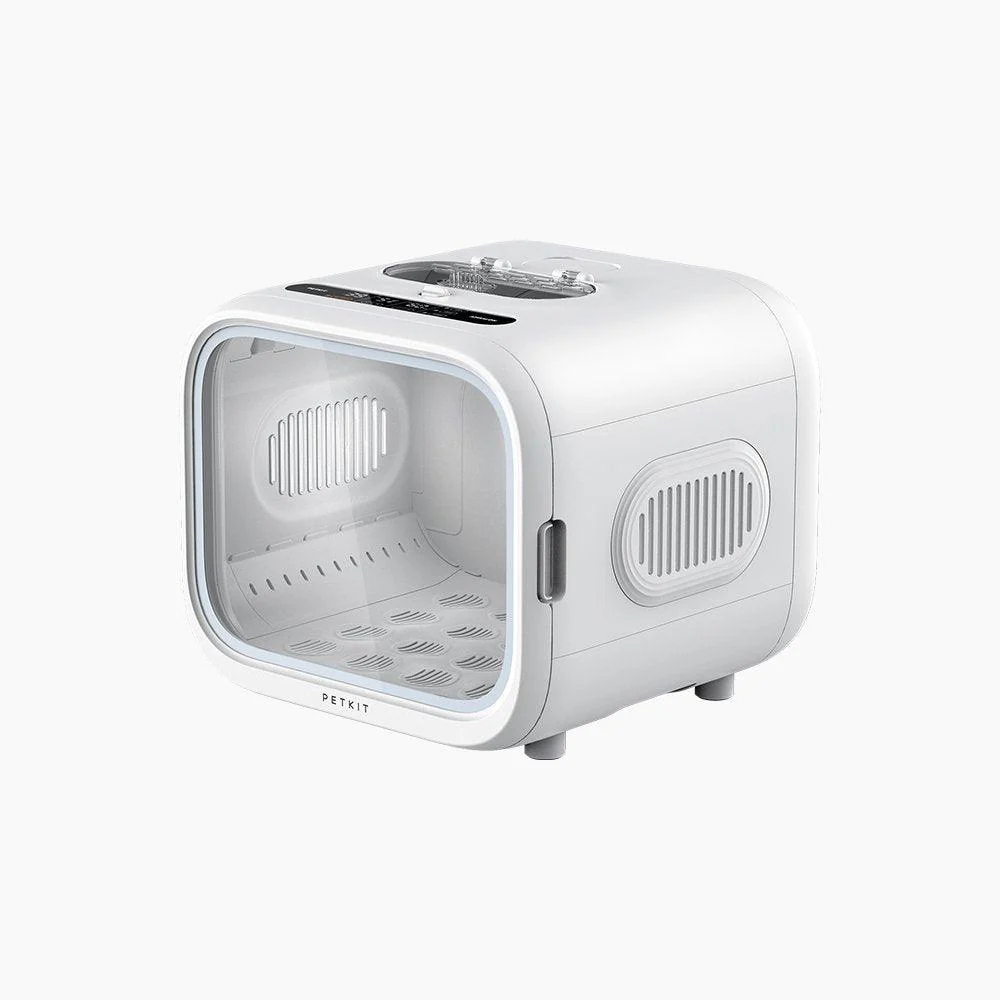
PETKIT AIRSALON Smart Pet Dryer Box
$622.99 AUD
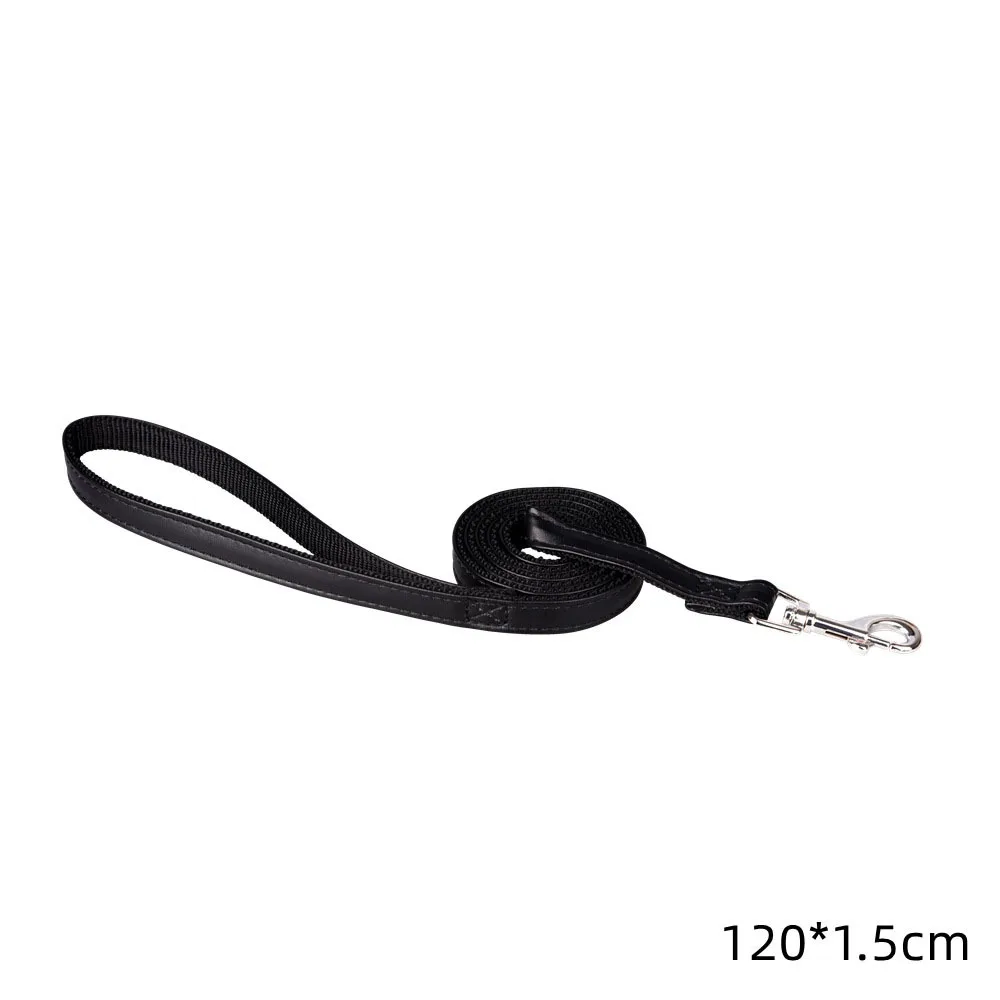
Premium Dog Training Leasg
$29.99 AUD

Argyle Dog Car Seat Cover
$87.99 AUD
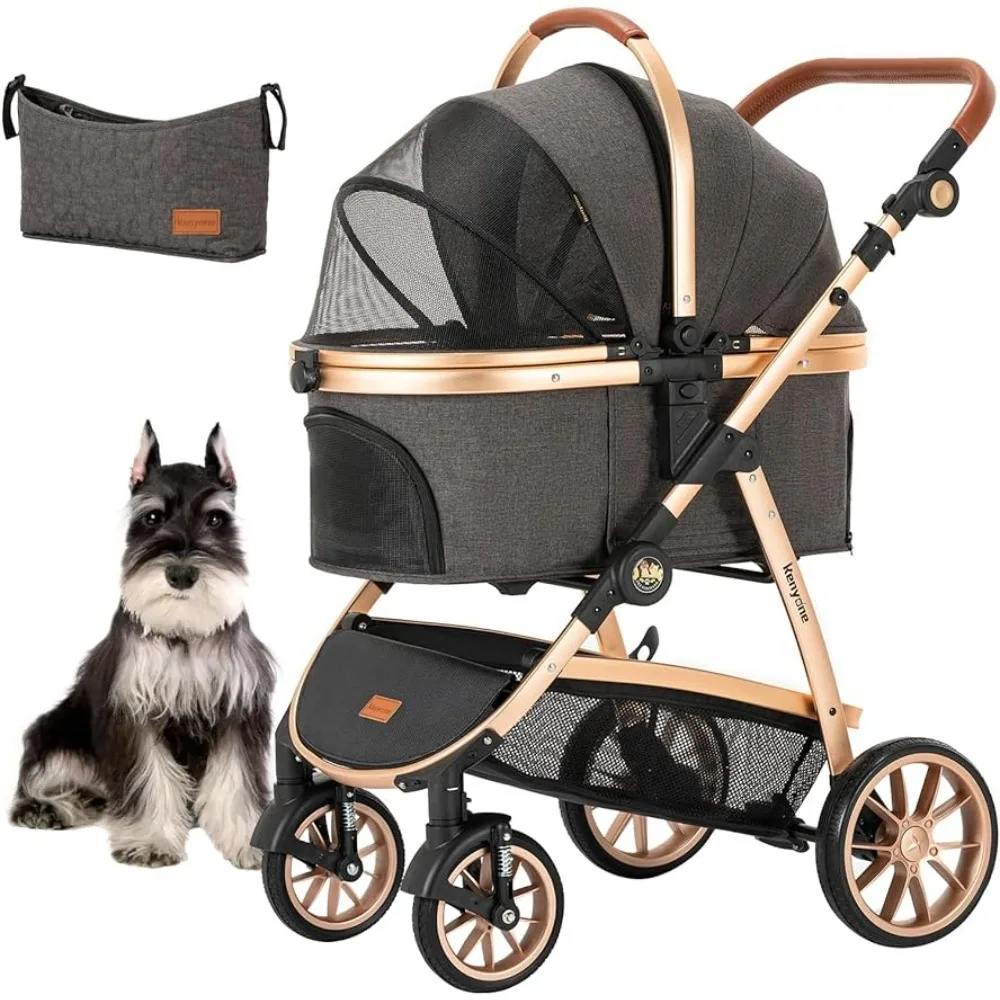
Durable Pet Carrier
$536.99 AUD