Do Cavoodles Have Separation Anxiety?
Cavoodles are a top choice for Australian families, and it’s not hard to see why. With their sweet expressions, cuddly size, and gentle personality, this Cavalier King Charles Spaniel–Poodle mix has earned a reputation as the ultimate companion dog. But behind those puppy eyes lies a challenge that many new owners don’t expect: Cavoodles are prone to separation anxiety.
In this article, we’ll explain what separation anxiety is, why Cavoodles are especially vulnerable, and what you can do if your lifestyle includes regular time away from home.
What Is Separation Anxiety in Dogs?
Separation anxiety is more than boredom. It’s a condition where a dog becomes distressed (sometimes to the point of panic) when left alone or separated from their primary person. It can manifest through:
- Barking or howling after you leave
- Destructive behaviour (chewing furniture, scratching doors)
- Indoor accidents, even if toilet trained
- Excessive drooling or pacing
- Attempting to escape, often causing self-injury
In Cavoodles, these signs can show up quickly, sometimes after just 15–30 minutes of isolation.
Why Cavoodles Are So Prone to It
The Cavoodle’s temperament is what makes them so beloved—and so vulnerable. Often described as “Velcro dogs,” Cavoodles tend to bond intensely with their humans and crave constant closeness. This trait stems from their parent breeds:
- Cavalier King Charles Spaniels were bred as lapdogs for European nobility, selectively chosen for calm, clingy traits.
- Poodles, especially Miniature and Toy varieties, are sensitive, intelligent, and highly attuned to their owner’s mood and routines.
Together, these genetics create a dog who thrives on companionship but may struggle when that companionship disappears.
Are All Cavoodles the Same?
Not quite. Some Cavoodles, especially those raised in active households with frequent comings and goings, can build more resilience. Others seem hardwired for anxiety. Factors that influence how your Cavoodle copes with separation include:
- Early socialisation: Puppies exposed to mild, safe isolation early in life tend to adapt better later.
- Training approach: Owners who teach independence from the start (e.g., crate training, alone-time games) often report fewer issues.
- Family routine: Cavoodles in homes where someone’s almost always around like retirees or remote workers may struggle more when left suddenly.
- Genetics: Even within a litter, individual temperament matters. Some pups are naturally more clingy than others.
If you’re buying from a breeder, don’t be afraid to ask about the parents’ personalities and how the puppies are being socialised in those early, crucial weeks.
Is a Cavoodle Right for a Working Household?
It depends on your flexibility and your ability to set up support. Cavoodles don’t cope well with being left alone 9–5 every weekday, five days a week. But that doesn’t mean working families can’t own one.
Here’s how many Cavoodle owners balance it:
1. Doggy Daycare or a Dog Walker
Cavoodles thrive in daycare environments with other small, social dogs. It gives them an outlet for their energy and breaks up long days. If daycare isn’t an option, a midday visit from a dog walker or neighbour can help.
2. Staggered Work Hours or Remote Days
Some families plan their schedules so someone’s home for part of the day. Even a four-hour stretch alone is better tolerated than a full eight hours.
3. Enrichment and Training
Interactive feeders, scent-based puzzle toys, and crate training (with positive reinforcement) can all help build a Cavoodle’s independence. But these tools only work when paired with gradual desensitisation, teaching your dog that being alone is safe.
What Happens If You Ignore It?
Separation anxiety can get worse over time if left unaddressed. Not only can it damage your furniture, it can also affect your dog’s long-term wellbeing. Chronic stress in dogs has been linked to:
- Compromised immune function
- Increased risk of behavioural problems (e.g., fear aggression)
- Heart and digestive issues
In severe cases, a vet or behaviourist may recommend short-term anti-anxiety medication alongside behaviour modification.
Choosing a Cavoodle: What to Ask the Breeder
If you’re considering welcoming a Cavoodle into your life, ask the breeder:
- How are the puppies being socialised?
- Are they being left alone for short periods?
- What’s the temperament of the parents?
- Do they offer guidance for managing anxiety in young pups?
A good breeder won’t overpromise. They’ll be honest about the breed’s clingy nature and offer realistic strategies for supporting your pup.
Bottom Line: Know Before You Buy
Cavoodles are loyal, loving, and thrive on being your shadow. But they’re not the right fit for households where the dog would be left alone all day with little interaction. If you’re ready to invest in companionship and some creative scheduling they can be one of the most emotionally rewarding dogs you’ll ever meet.
Check out our Cavoodle breed overview to find pups available near you.
Related posts:




You must be logged in to post a comment.

Dachshund Pet Stairs
$135.99 AUD
PETKIT AIRSALON Smart Pet Dryer Box
$622.99 AUD
Premium Dog Training Leasg
$29.99 AUD
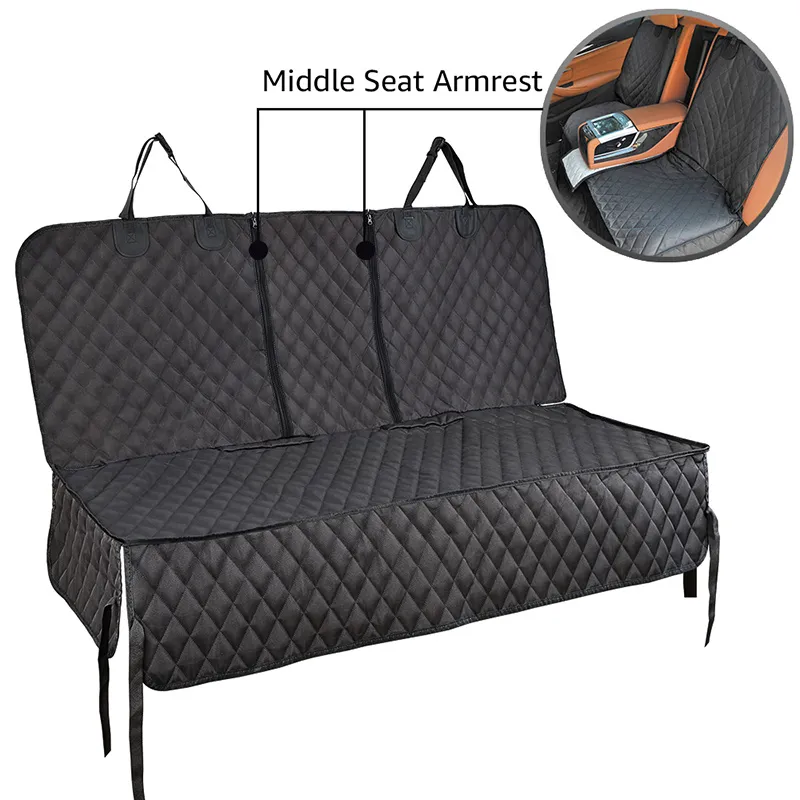
Argyle Dog Car Seat Cover
$87.99 AUD
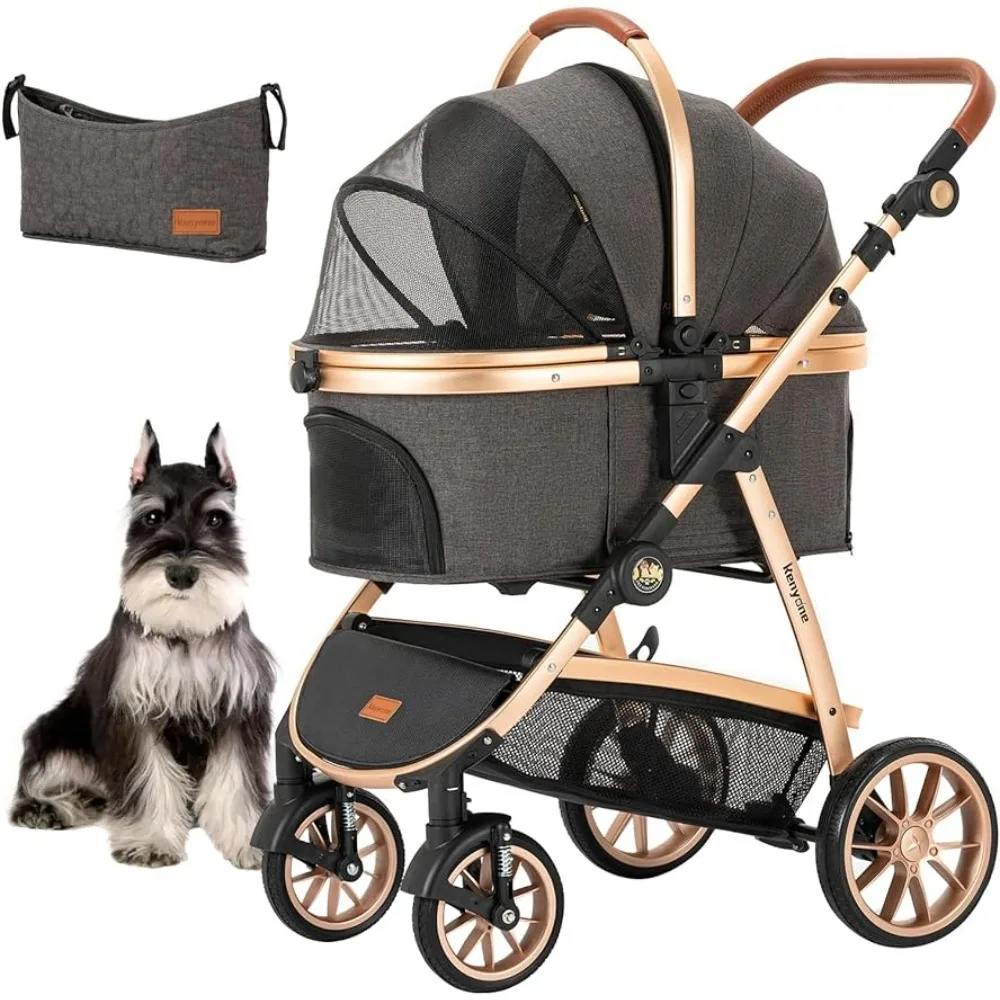
Durable Pet Carrier
$536.99 AUD