Dog Desexing in Australia: A Clear, Practical Guide for Pet Owners
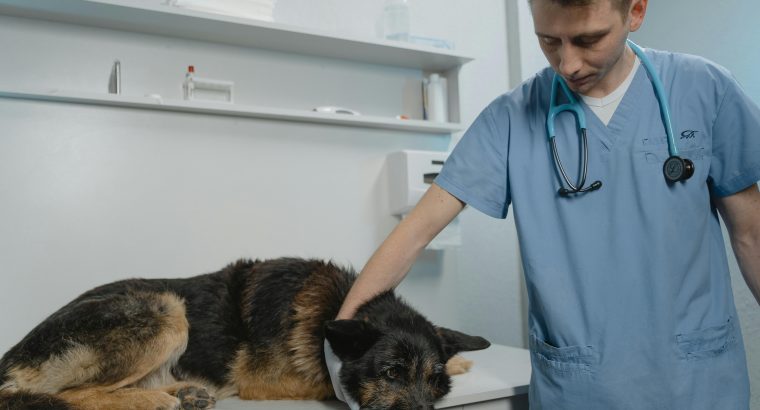
Dog desexing prevents dogs from breeding. In females, this means the removal of the ovaries, with or without the uterus (spay). In males, this means the removal of the testicles (castration). Vets perform desexing operations under general anaesthetic, then close the skin with sutures or skin glue. Recovery takes days, with full healing over the next couple of weeks.
Why do pet parents consider desexing? It all starts with welfare. A lot of pregnancies are unplanned and many of these unplanned litters can end up in shelters and rescues or without homes. Health is another factor. Spaying protects females from a life-threatening womb infection called pyometra and also lowers the chance for mammary tumours when timed correctly.
Castration removes the risk of testicular cancer and can reduce prostate disease in later years. Some owners also consider desexing due to the behavioural shift you can expect from castration. Some dogs roam less, mark less, and show less aggression against other dogs. However, results can vary from dog to dog, so consider behavioural change as a possible benefit and not the sole aim of castration.
Risks That Come with Desexing
As with any surgery, there are risks. Dogs can experience pain, swelling, issues with healing, and bad reactions to anaesthetics. The correct timing of castration for large breeds is another thing to consider. Removing hormones too early can change the growth patterns of dogs, which can shift joint stress. Consider this against the other health benefits of desexing before making an informed choice.
Timing, Myths, and What Research Says
The correct time to desex a dog has been widely debated. Some vets recommend six months as a standard time, while other vets tailor the timing specifically to the breed and size. Small breeds tend to grow to full size earlier, so 6 to 9 months may be fitting. Large breeds grow more slowly, with joints still soft even past the first year. For larger breeds, some vets suggest waiting until 12 to 18 months. The key is balancing joint health with the risk of unwanted litters and behavioural shifts tied to hormones.
Females can be desexed before their first heat or later if you’d like for them to have a litter. Early spaying reduces the chance of mammary tumours to almost zero. But waiting until after the first heat can allow the dog’s growth to stabilise a little more.
Myths still circle around the practice. One common line is that desexing changes a dog’s personality. The truth is more subtle. Hormones play a role in drive, but a well-socialised, well-trained dog stays itself. Another myth is that bitches should have one litter before spay. No evidence supports this, and it can increase health risks.
What is the Surgery Like
The procedure itself is routine for most veterinary clinics, but it is still major surgery. On the day of the operation, your dog will be admitted in the morning after fasting overnight. A vet nurse will place an intravenous line, and the dog will be given a general anaesthetic.
In males, the testicles are removed through a small incision in front of the scrotum. In females, the vet goes into the abdomen to remove the ovaries, sometimes along with the uterus. The wounds are then stitched or sealed, and pain relief is provided during and after the procedure.
What are the Costs Like?
Costs can vary widely across Australia. A desexing operation for a male dog may start at around $250, while spaying a female can range from $350 to $600 or more, depending on size and location.
Larger breeds generally cost more due to longer surgery time and higher anaesthetic doses. Many councils offer rebate programs or work with animal welfare groups to subsidise desexing, especially for rescue dogs. Checking with your local council can ease the financial burden.
Recovery
Once home, recovery becomes your job. Most dogs go home the same day, drowsy but able to walk. Rest is crucial. Make sure not to let them jump, run, and roughplay for the first few days as it can tear their stitches. Keeping them in a crate and then a small room may help keep them immobilised enough as they heal.
An Elizabethan collar or recovery cone can prevent licking and chewing. Your vet will likely prescribe pain medication to keep your dog comfortable. Make sure you change the bandages and p
Jumping, running, or rough play can tear stitches. A crate or small room helps keep movement calm. An Elizabethan collar or a soft recovery cone stops licking and chewing. Pain medication, prescribed by the vet, keeps your dog comfortable. The wound should be checked daily for swelling, redness, or discharge.
Stitches are usually removed after 10 to 14 days. By that point, the skin has already healed, but vets will still advise limiting activity for at least 2 weeks. Start with walks and play after you’ve gotten clearance from your vet.
You may have to adjust the diet of your dog after desexing as a reduction of hormones can lead to shifts in metabolism and weight gain. Portion food properly and give them enough exercise to prevent your dog from gaining weight.
Behaviour changes and long-term health
Many owners wonder how their dog’s behaviour might change after desexing. The reality is mixed and depends on the dog’s temperament, training, and environment. Some males become less driven to roam, less focused on scent-marking, and less prone to fights with other males.
For females, desexing prevents them from going into heat, which means no spotting, no restlessness every few months, and less issues from neighbouring dogs. What desexing does not do is turn an excitable pup into a calm adult – that comes from maturity, exercise, and consistent training.
In the long term, desexing protects against several health conditions. Spayed females avoid pyometra, a dangerous infection that affects many older, intact bitches. They also face reduced risk of mammary tumours if spayed before their first or second heat. Castrated males eliminate the chance of testicular cancer and show reduced prostate disease rates as they age. These gains must be weighed against some potential downsides, including a slightly higher risk of certain cancers and joint disease in specific breeds if desexed too early.
Making an Informed Choice
The decision, then, is never about one-size-fits-all advice. It’s about weighing timing, breed traits, and lifestyle. A family with a mixed-breed rescue may prioritise immediate desexing to prevent unwanted litters. A farmer with working Kelpies may wait until growth has finished to preserve sound structure. An urban household with a large retriever may time the surgery later, guided by breed-specific data.
For pet owners in Australia, the choice also carries a community angle. Councils often require dogs to be desexed for lower registration fees. Shelters stress its role in reducing overpopulation.
Responsible breeders discuss timing with puppy buyers to ensure health and welfare come first. When approached with open eyes, desexing is not just a procedure — it’s part of a broader plan for a dog’s life.
Related posts:




You must be logged in to post a comment.


Dachshund Pet Stairs
$135.99 AUD

PETKIT AIRSALON Smart Pet Dryer Box
$622.99 AUD
Premium Dog Training Leasg
$29.99 AUD

Argyle Dog Car Seat Cover
$87.99 AUD

Durable Pet Carrier
$536.99 AUD