Search over 5 Lagotto Romagnolo dogs across Australia
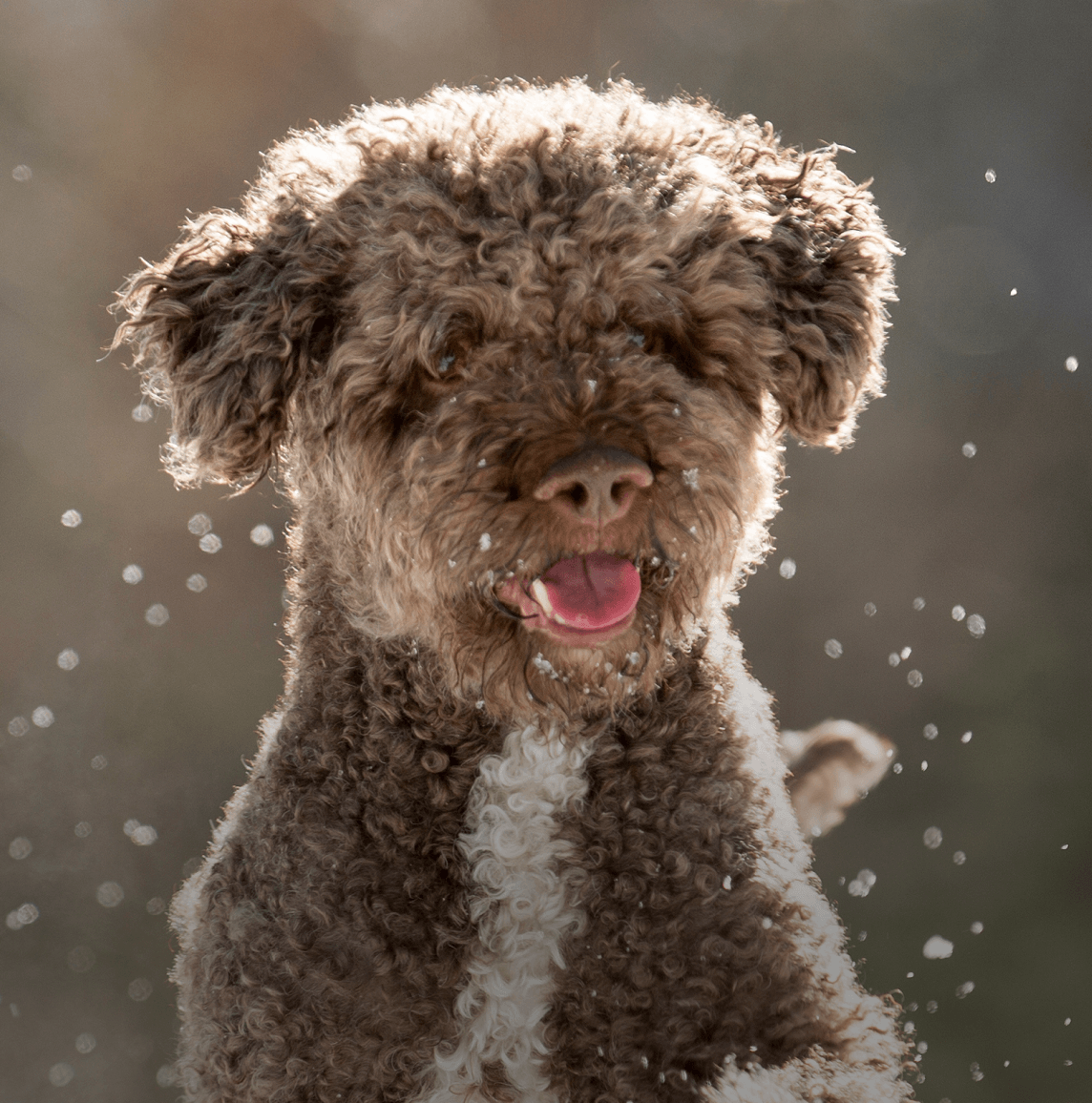
Few breeds combine a working dog’s brain with a teddy-bear look quite like the Lagotto Romagnolo.
Filter 
Search

Breed
Location

Price Range
Breed Characteristics
Grooming


Exercise
Size Range


Find Lagotto Romagnolos
For Sale
5 Results
Australia's No. 1 Free Pets Classified
Few breeds combine a working dog’s brain with a teddy-bear look quite like the Lagotto Romagnolo.
 Questions To Ask A Breeder

- Are you a registered breeder?
- Can we meet in person?
- Have they been socialised?

Breed Characteristics
Grooming
Exercise
Size Range
The Ultimate Lagotto Romagnolo Guide
About Lagotto Romagnolo
Lagotto Romagnolos are affectionate, curious and happiest when they’re part of everything their family does.
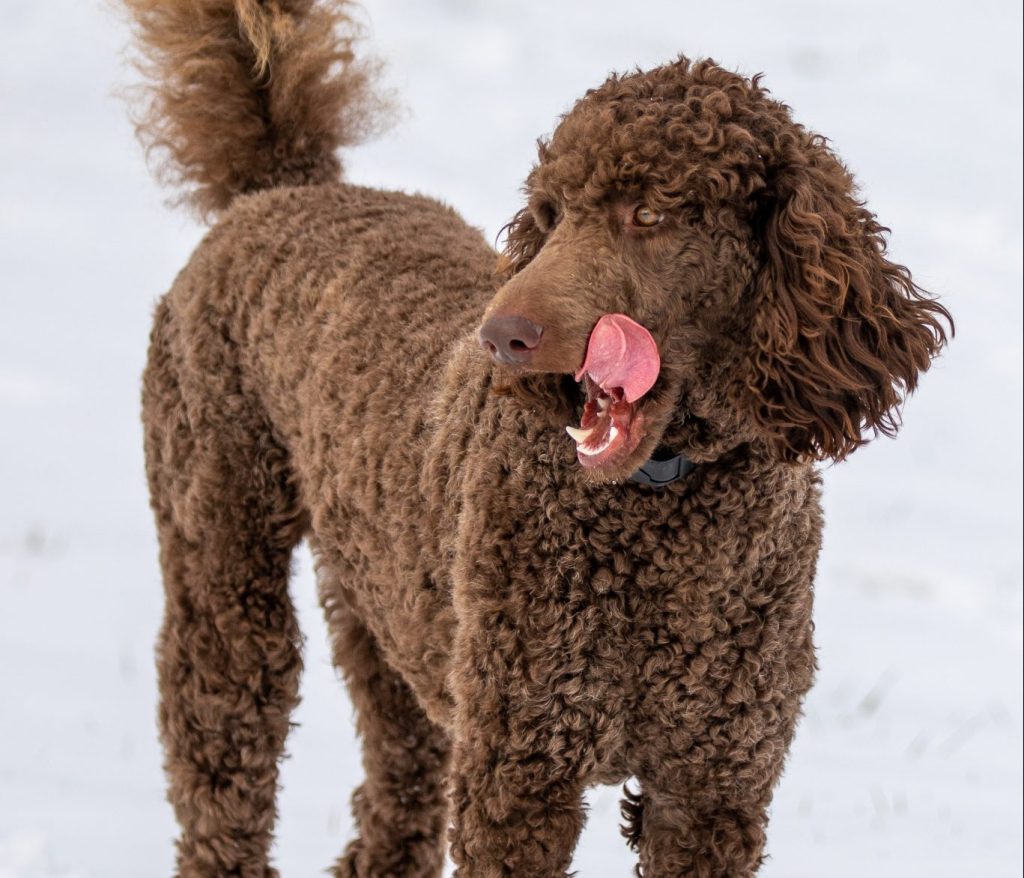
With their teddy-bear curls and clever noses, it’s easy to see why this ancient Italian breed has become a favourite with Australian families. Lagottos are loyal, playful and smart, and they love having a job to do – whether that’s sniffing out treats in the backyard, learning new tricks or joining you on a long weekend walk.
Their dense, curly coat sheds very little, which makes them popular with people who want a low-shedding dog. But there’s more to these lively, people-loving dogs than their looks.

Lifespan
15 to 17 years

Weight
11 to 16 kg

Height
41 to 48 cm

Grooming
Comb their curly coat once or twice a week and book a trim every 6 to 8 weeks.
Origins
The Lagotto Romagnolo comes from the Romagna region of northern Italy, where it was bred for centuries as a water retriever in the marshes and lagoons around Comacchio and Ravenna. The name roughly translates to “water dog of Romagna”.
When the marshes were drained in the 1800s, the breed found a new job: truffle hunting. Its sharp nose and love of digging made it the go-to truffle dog in Italy, and it’s still the only breed recognised as a specialist truffle hunter today. The Lagotto was formally recognised internationally (FCI) in the 1990s and 2000s and is recognised in Australia as part of the Gundog group.
Key Characteristics Of Lagotto Romagnolos
Are Lagotto Romagnolos Family-Friendly?
Yes. Lagottos are loving, playful and loyal family dogs that bond closely with their people. With early socialisation they’re usually great with children and other pets.
They can be a little reserved with strangers and will often bark to let you know someone’s at the door, so early training and lots of positive new experiences help them grow into confident adults.
Common Health Issues & Considerations
Lagotto Romagnolos may suffer from:
Hip and Elbow Dysplasia
Abnormal development of the hip or elbow joints that can lead to arthritis and lameness. Responsible breeders hip and elbow score their breeding dogs.
Benign Familial Juvenile Epilepsy (BFJE)
An inherited condition causing seizures in young puppies, which usually resolve by around 8 to 10 weeks of age. A DNA test is available, so ask your breeder for results.
Lagotto Storage Disease (LSD)
A rare inherited neurological disease that affects balance and coordination. It can be screened for with a DNA test, so always ask to see both parents’ results.
Nature / Temperament
Affectionate, Intelligent, Energetic
Suitable Environment
Lagottos do best in a home with a securely fenced yard – they’re natural diggers and very curious, so check your fences and garden beds!
They can adapt to townhouse living as long as they get plenty of daily exercise and mental stimulation. They’re very people-focused and don’t like being left alone for long periods, so they suit families where someone is home for a good part of the day.
Other Considerations
- The Lagotto is the only dog breed recognised as a specialist truffle-hunting dog.
- Their coat is low-shedding, but no dog is completely hypoallergenic.
- They love to dig, so a sandpit or digging spot in the yard can save your garden.
- They’re usually keen swimmers, a throwback to their water-retrieving roots.
How can I take good care of my Lagotto Romagnolo?
Nutrition
Feed a high-quality, complete and balanced food suited to a medium-sized, active dog, and choose a puppy formula until they’re fully grown. Lagottos are food-motivated, which is great for training but means it’s easy to overdo the treats – measure meals and keep an eye on their waistline. Your vet can help with the right portion size for your dog’s age and activity level.
Grooming
Lagottos have a dense, woolly, curly coat that sheds very little but grows continuously. That means regular care is a must to stop matting.
Comb through the coat once or twice a week, paying extra attention behind the ears, under the legs and around the collar. Most Lagottos need a trim every 6 to 8 weeks to keep the coat at a manageable length. Check and clean their ears regularly, as hair and moisture can build up in the ear canal.
Recommended Grooming Tips
Don’t blow-dry and brush the coat out straight – the Lagotto coat is meant to sit in natural curls.
Check their coat for burrs, grass seeds and sticks after walks, especially if they’ve been digging or swimming.
Keep the hair around the eyes, ears and paws neatly trimmed to help prevent irritation and infections.
Exercise
Lagotto puppies are bright, busy and full of energy. Short play sessions, gentle walks and plenty of rest are best while their joints are still growing.
As adults, Lagottos need at least an hour of exercise a day. They love walks, off-lead runs in safe areas, swimming and especially nose-work games. Hiding treats or toys for them to find taps into their truffle-hunting instincts and tires them out mentally as well as physically.
Training
Lagotto puppies are clever and eager to please, which makes training a lot of fun. They respond best to positive, reward-based training with treats and praise, and they can be sensitive to harsh corrections.
Start socialisation and basic training early, keep sessions short and interesting, and give them jobs to do. Scent work, puppy classes and trick training are great outlets for their busy minds.
Most Asked Lagotto Romagnolo Questions

Lagottos have a low-shedding, curly coat, so many people with mild allergies find them easier to live with. However, no dog is 100% hypoallergenic, so spend time with the breed before committing.
They can be, as long as you’re ready for an active, smart dog that needs daily exercise, training and regular grooming. Puppy classes are a great place to start.
Lagotto puppies from registered, health-tested breeders in Australia usually cost around $3,500 to $5,500, depending on the breeder, bloodlines and health testing. Always ask for DNA test results for both parents and hip and elbow scores before you buy.


Safe

Responsible

Accountable
Find your next pet with PetsForHomes - Australia’s number one free website to find a pet for sale or adoption.
Trusted & Viewed by over 1 Million Australians