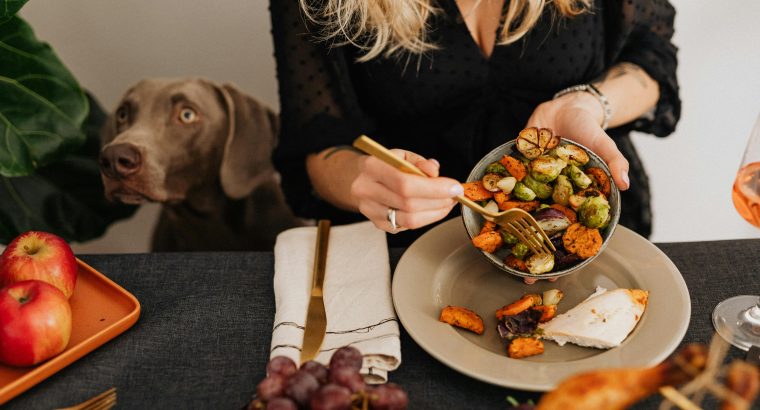
Keep Your Pets Safe This Festive Season: Common Christmas and New Year Toxins
While the festive season means family get-togethers, food and celebrations, it also means potential hazards for our beloved pets. From BBQs and parties to festive treats, animals can encounter food and substances that are toxic to them. So, what do all Australian pet owners need to know to keep their pets safe this Christmas and New Year’s season?
The BBQ Culprits
Onions and Garlic From raw to cooked to powdered in marinades and sausages, onions and garlic are extremely toxic to dogs and cats. They cause damage to red blood cells which leads to anaemia. Even small amounts in leftover sausages, burgers or salads are hazardous.
Grapes and Raisins Grapes and raisins can be found in Christmas puddings, fruit salads and pavlovas. They may cause acute kidney failure in dogs. The amount that is toxic differs from dog to dog, so there is no safe limit.
Cooked Bones It’s one thing to give a dog a raw bone (under supervision, of course), but cooked bones from the BBQ chicken, lamb chops, and T-bone steaks you were just eating are no good. They become brittle and splinter. When animals chew on them, they can choke, cause intestinal blockages, or even perforations.
Sweet Treats & Desserts
Chocolate Dark chocolate and cooking chocolate are a Christmas classic but a major pet poison. Theobromine, which is highly concentrated in dark and cooking chocolate, is toxic to animals. Even small amounts can result in vomiting, diarrhoea, rapid heart rate, seizures and even death in severe cases.
Xylitol (Artificial Sweetener) Xylitol is an artificial sweetener commonly used in sugar-free festive treats and certain peanut butters. Xylitol can cause a dramatic drop in blood sugar level and result in liver failure in dogs, so read all labels carefully.
Macadamia Nuts A uniquely Australian risk! Macadamia nuts are highly toxic to dogs, causing weakness, vomiting, tremors, and hyperthermia. They’re often in Christmas cookies, cakes, and as table snacks.
Party Hazards
Alcohol Beer, wine, cocktails, and even rum balls or brandy-soaked Christmas cake can cause alcohol poisoning in pets. Dogs and cats are far more sensitive to alcohol than humans, and even small amounts can cause vomiting, disorientation, breathing difficulties, and coma.
Fatty Foods Rich party foods, BBQ meat fat trimmings, and creamy dishes can trigger pancreatitis in pets—a serious and painful condition requiring veterinary treatment.
Avocado Popular in summer salads and on bruschetta, avocado contains persin, which can cause vomiting and diarrhoea in dogs and is particularly dangerous for birds.
Decorations & Plants
Lilies These are deadly to cats and even a small amount of pollen can lead to fatal kidney failure. All lily bouquets should be kept out of the reach of cats.
Poinsettias and holly While these are not as poisonous as people think, they do cause irritation of the mouth and upset stomach.
Tinsel and Ribbons Cats especially love to play with these, but if swallowed, they can cause life-threatening intestinal blockages requiring surgery.
What To Do If Your Pet Ingests Something Toxic
- Call your vet or the Animal Poisons Hotline NOW: 1300 869 738 (Australia, 24/7)
- Remember what they ate – take a picture of the packaging or note the product name and approximate amount
- Do not induce vomiting unless told to do so by a vet
- Keep them calm and observe
Avoid these party fouls by….
- Placing food on high surfaces
- Giving pets a room to chill in during parties
- Asking guests not to feed pets from the table
- Making sure all bins have tight lids—especially if they’re outside for the season.
- Saving your vet’s after hours number + your nearest 24-hour veterinary clinic.
The Bottom Line
A little prevention goes a long way. By being aware of these common festive toxins and keeping them away from curious noses and paws, you can ensure your pets enjoy a safe and happy holiday season alongside you.
Related posts:

You must be logged in to post a comment.


Dachshund Pet Stairs
$135.99 AUD
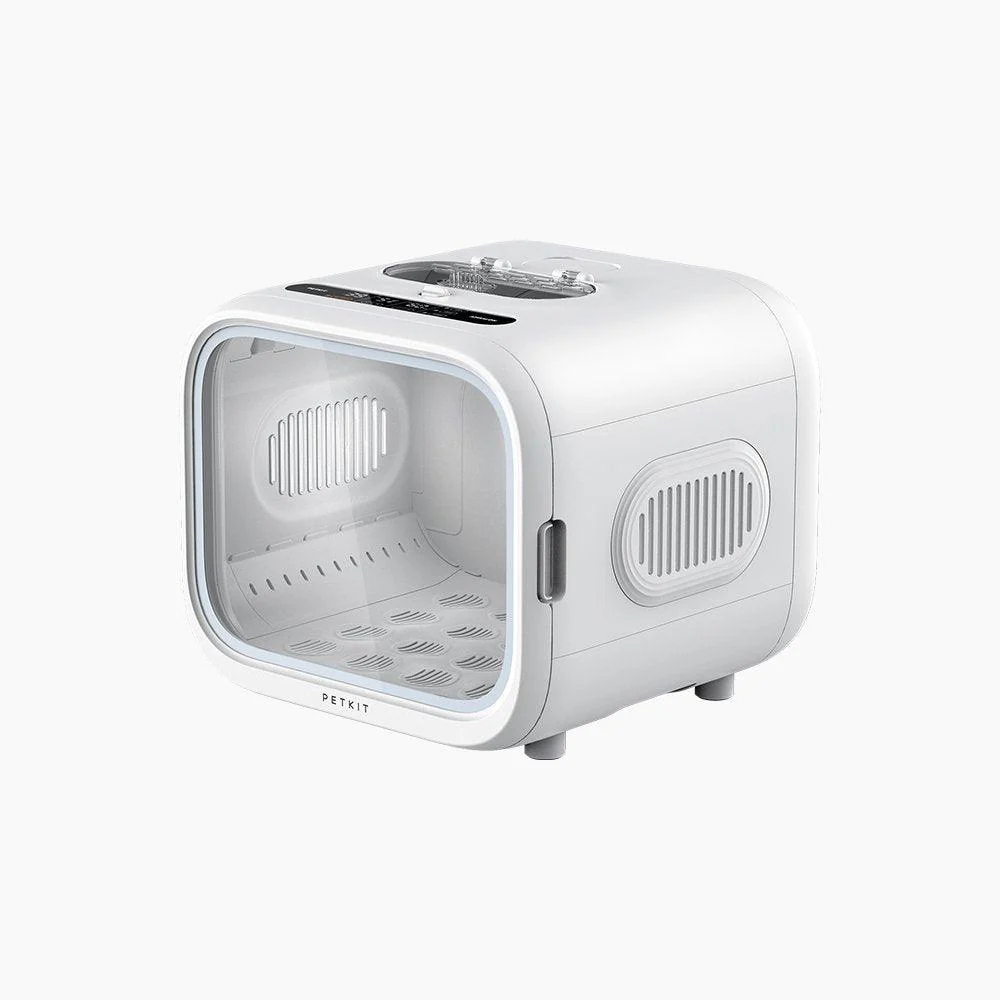
PETKIT AIRSALON Smart Pet Dryer Box
$622.99 AUD
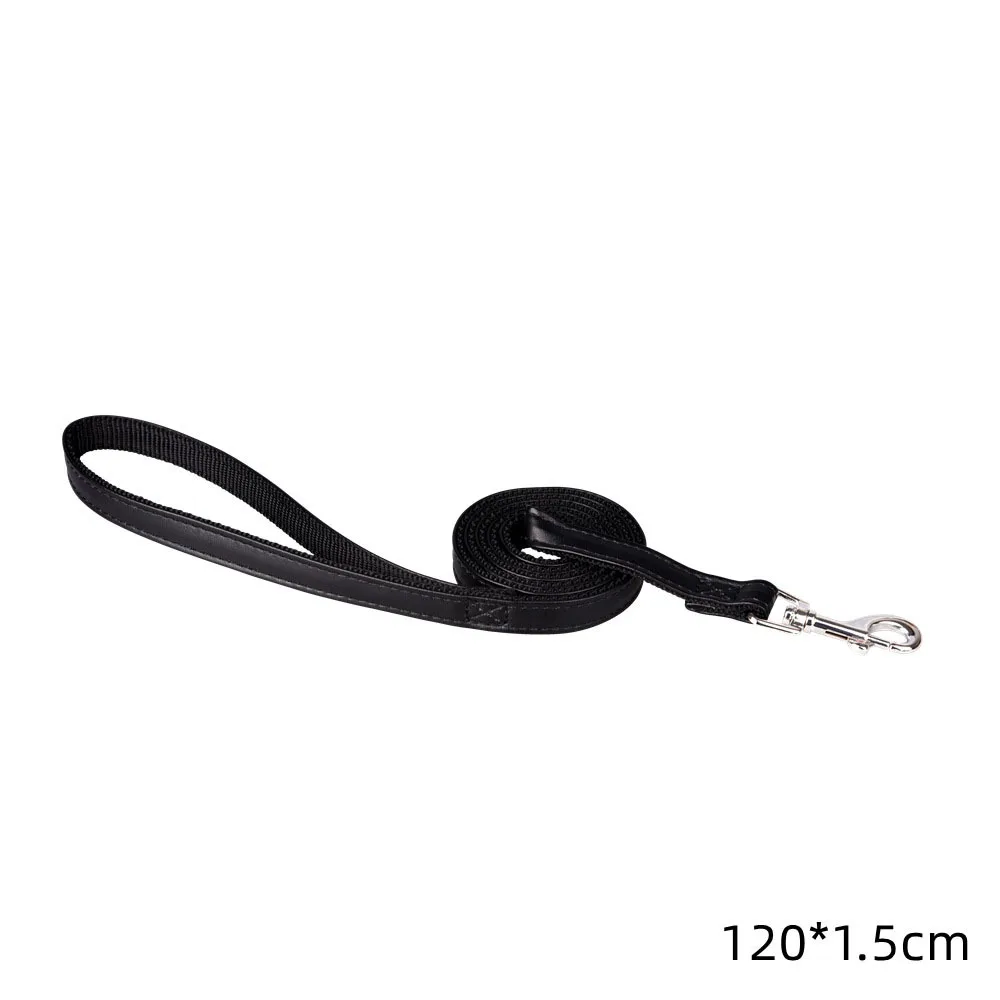
Premium Dog Training Leasg
$29.99 AUD
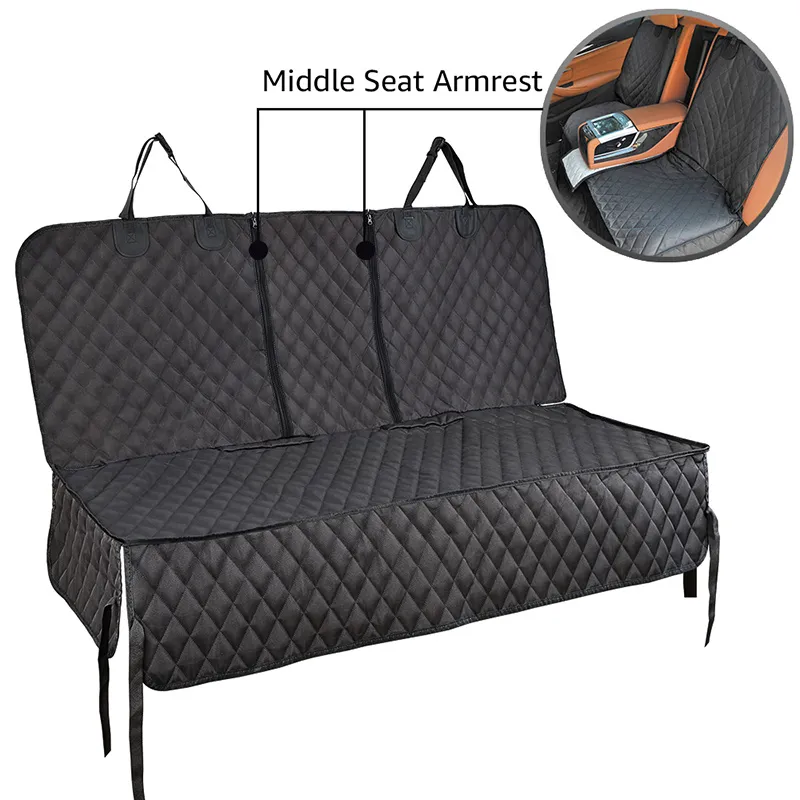
Argyle Dog Car Seat Cover
$87.99 AUD
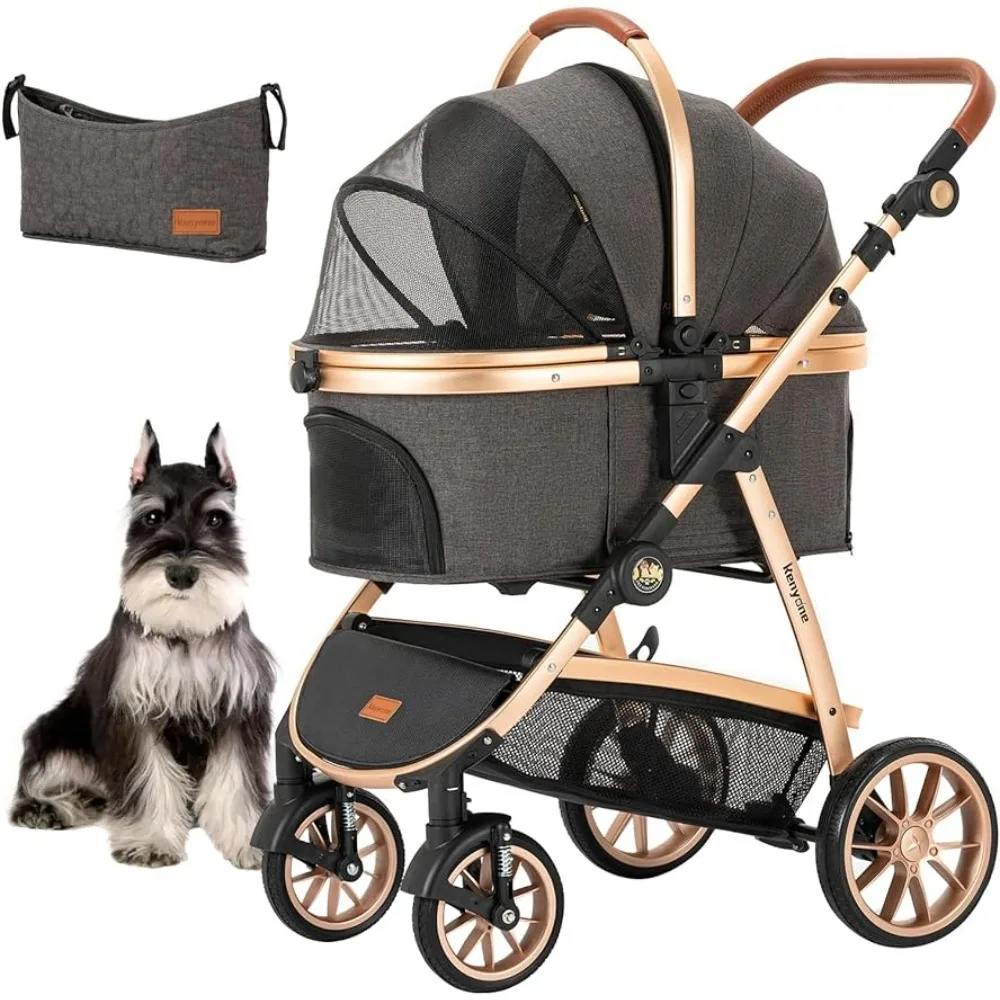
Durable Pet Carrier
$536.99 AUD