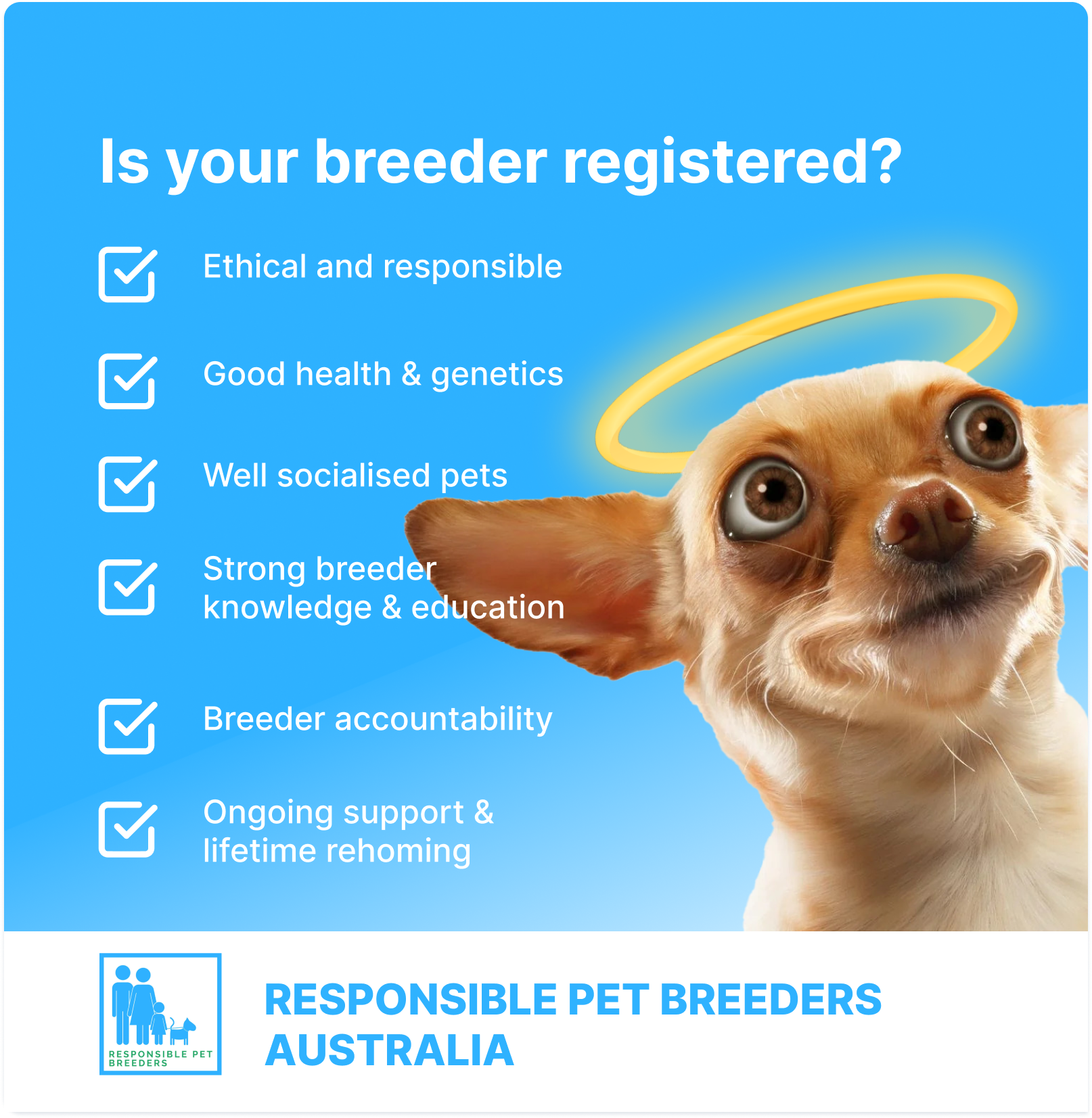
If you’re thinking about buying a puppy in New South Wales, big changes are underway that aim to clean up the dog breeding industry. The Prevention of Cruelty to Animals Amendment (Puppy Farm) Bill 2024 is set to reshape how dog breeders operate, and if you’re planning to welcome a new pup into your home, it’s worth understanding what these changes mean for you.
What Is the Puppy Farm Bill?
This Bill was introduced to the NSW Parliament in October 2024 and aims to regulate dog breeding and the sale or transfer of puppies. If passed, it will roll out in stages between November 2024 and December 2035.
While it’s a step forward for dog welfare, there are still significant concerns that the current version of the Bill doesn’t go far enough—particularly when it comes to protecting cats and preventing large-scale operations from continuing under new names.
What the New Bill Means for Puppy Buyers
Here’s what you should look out for when buying a puppy in NSW under the new laws:
Breeder Identification Numbers Will Be Mandatory
Every person responsible for breeding a dog will need to register and get a Breeder Identification Number (BIN). They’ll have to apply shortly after a dog becomes pregnant or gives birth. As a buyer, this means you’ll be able to check that your breeder is registered and traceable.
What to do: Always ask for the breeder’s BIN when responding to an ad or enquiry. If they don’t provide one, that’s a red flag.
Breeders Will Be Limited to 5 Litters Per Dog
The Bill introduces a lifetime cap of five litters per breeding female, including a limit of three caesarean births. Other jurisdictions cap this at four litters, and some suggest an even stricter limit of two caesareans, given the health risks associated with repeated surgical births.
What to do: Ask how many litters the mother dog has had. Ethical breeders will be transparent about their breeding practices.
No Cap on Total Dog Numbers—Yet
While the Bill limits female breeding dogs to 20 per premises (with some exemptions until 2035), it doesn’t cap the total number of puppies, males, or desexed dogs on-site. That means large-scale operations could still house dozens—if not hundreds—of animals, raising welfare concerns.
What to do: Visit the breeder if possible. Be wary of sellers who don’t allow inspections or who are managing too many dogs at once.
Weak Staffing Requirements
The current law allows just one carer for every 20 dogs, and these carers don’t need to be qualified. That’s only around 24 minutes of care per dog per day, which is likely not enough for quality socialisation, cleaning, feeding, or medical attention.
What to do: Ask how many people care for the animals. Look for breeders who are hands-on, experienced, and spend time socialising their puppies.
Cat Lovers, Take Note
One major gap in the Bill is its failure to protect breeding cats. While it sets guidelines for dogs, cats used for breeding are left out—despite facing similar welfare risks.
What to do: If you’re buying a kitten, choose a breeder who goes beyond the minimum. Ask about living conditions, health checks, and socialisation—even if the law hasn’t caught up yet.
What Still Needs Work
While the Bill introduces helpful measures, several areas need improvement to ensure true progress in animal welfare:
- Ban exemptions for greyhounds, working dogs, and assistance dogs—no dog should be left out of basic welfare laws.
- Phase out high-capacity breeding facilities (20–50 dogs) with proper transition plans to prevent unwanted dogs from being dumped on rescues.
- Mandate that breeders desex and rehome retired dogs responsibly, instead of letting them languish in kennels.
- Tighten staffing ratios to one qualified, full-time carer per 10 dogs.
- Introduce rules to protect breeding cats under the same welfare framework.
What This Means for You as a Buyer
This Bill could make it easier to identify responsible breeders—but only if you ask the right questions. Choosing a puppy is a big decision, and you have the power to support ethical breeding by being an informed buyer.
When buying a puppy, always:
- Ask for the Breeder Identification Number (BIN)
- Check how many litters the mother has had
- Visit the breeder and inspect living conditions
- Confirm puppies are vaccinated, wormed, microchipped, and at least 8 weeks old
- Avoid impulse purchases or “too good to be true” ads
Final Thoughts
NSW is taking meaningful steps to regulate dog breeding, but until these laws are fully in place and properly enforced, puppy buyers need to stay vigilant. At PetsForHomes, we support reforms that raise the bar for animal welfare, and we encourage all future pet owners to buy ethically and responsibly.
If you’re searching for your new furry family member, use our platform to find puppies from responsible, traceable breeders. Look for listings that show BINs and breeders who are transparent about their practices.