Positive Reinforcement: Why This Training Method Works for Your Dog
Whether you’re bringing home a new puppy or working with an adult dog who needs some guidance, you’ve likely heard the term “positive reinforcement” tossed around. But what does it actually mean, and why do trainers and behaviourists recommend it so strongly?
Let’s break down what positive reinforcement is, how it works, and why it’s become the gold standard for dog training in Australia and worldwide.
What Is Positive Reinforcement?
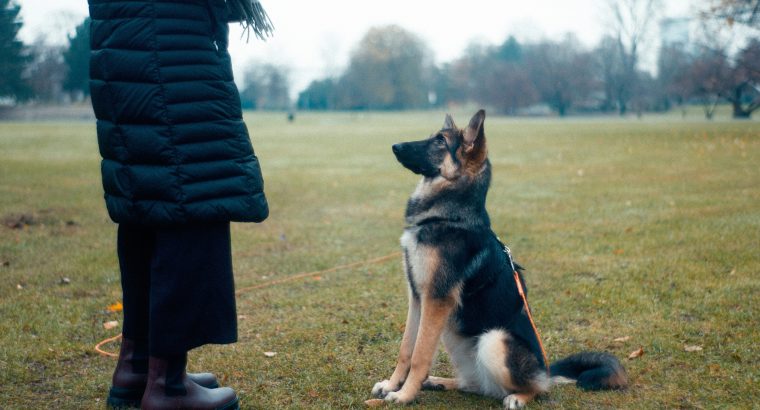
The first step is to understand how positive reinforcement works in dog training. When your puppy does something you want them to do, you reward them with something they like. That could be a small treat, praise, a toy, or some playtime. The idea is that your puppy associates the behaviour with getting something good. As a result, they’ll repeat the behaviour more often.
This process is based on operant conditioning, a principle of behavioural psychology developed by B.F. Skinner. When animals do something that leads to a pleasant outcome, their brains release dopamine, creating a positive association that reinforces the behaviour.
How Does It Actually Work in Practice?
The process for training a dog with positive reinforcement is relatively simple and includes the following steps:
- Mark the behaviour – use a verbal or physical mark (like “yes” or a clicker sound) to signify to the dog that they did the right thing
- Deliver the reward – provide the dog with whatever it is you’re giving as a reward for good behaviour.
- Repeat until the desired behaviour is learned
Research shows that this tends to be more effective when the reward is given immediately after the desired behaviour. If you wait too long, the dog may not associate the reward with the behaviour.
What Does the Research Say?
Studies that have examined this have seen that there are fewer stress-related behaviours displayed by dogs that have been trained using reward-based training methods, and that their cortisol (stress hormone) levels are lower. Additionally, the dogs that were trained using reward methods were found to be more optimistic.
Two separate questionnaire studies found that dogs trained using only positive reinforcement are more obedient than dogs trained with punishment. When it comes to real-world behaviours—like recall, loose-leash walking, and staying calm when visitors arrive—reward-based methods consistently outperform punishment-based techniques.
Perhaps most importantly, dogs from aversive-based training schools were more frequently in tense and low behavioural states and exhibited higher post-training increases in cortisol levels than dogs from reward-based schools.
The Benefits Go Beyond Obedience
When you train your dog using positive reinforcement methods, you’re helping your dog in several ways:
Builds confidence. Dogs become more willing to try new things because they aren’t afraid of making mistakes. They become eager learners that actively engage in training.
Strengthens your bond. Your dog trusts you more, and he or she wants to work with you. Your connection gets stronger—impacting all your interactions.
Reduces anxiety and fear. Dogs learn best when they clearly understand what earns them success. Unlike punishment-based training, positive reinforcement is incredibly stress-free for them.
Creates lasting learning. Positive reinforcement forms lasting connections. Your dog remembers best when good things come to mind!
Common Questions About Positive Reinforcement
“Isn’t this just bribing my dog?”
Not quite. The difference is that a reward is given after the behaviour, whereas a bribe is shown before and is intended to persuade the dog to perform the behaviour. Once your dog is reliably performing a behaviour, you can swap food rewards for life rewards (i.e., desired outcomes).
“What about when my dog does something wrong?”
It’s also possible to redirect a dog’s behaviour to another behaviour that cannot occur simultaneously with the first. For example, if you have problems with your puppy jumping on guests, you may teach him to sit instead. Eventually, your dog’s jumping behaviour will decrease as his sitting behaviour increases!
“Will my dog always need treats?”
At the beginning, the answer to this question is usually yes. Beyond using treats, though, you can use variable reinforcement and other types of rewards to motivate your dog. Most professional trainers will recommend treating at least somewhat throughout your dog’s life.
“Does positive reinforcement work for all behaviors?”
Yes, although some require more creativity than others. The training for all behaviours, from basic obedience to tricks to complex behaviours like scent detection or service work, relies on reward-based training methods. For serious behaviour issues like aggression or severe anxiety, working with a qualified trainer or veterinary behaviourist who uses positive reinforcement is essential.
Getting Started with Positive Reinforcement
If you want to try this with your dog, here are a few suggestions to get you started:
Find what motivates your dog. Not all dogs are food-motivated. For some, a favourite toy might be the best reward.
Start simple. Choose one basic behaviour, like sitting or touching a hand with the nose.
Mark the moment. Use a clicker or a word like “yes” to let your dog know when they’ve done something right. The mark should be immediate and be followed by a reward.
Keep sessions short. Five minutes of focused training is better than 20 minutes of distracted practice.
Set your dog up for success. If your dog isn’t getting it, try making the task easier.
When to Seek Professional Help
Consider working with a qualified trainer if you’re dealing with:
- Persistent jumping, pulling, or other frustrating behaviors
- Fear, anxiety, or aggression
- Puppy socialisation and foundational skills
- Advanced training goals
Look for trainers who specifically mention positive reinforcement, force-free methods, or reward-based training in their approach. Professional organisations like the Pet Professional Guild Australia (PPGA) maintain directories of qualified trainers.
The Bottom Line
One of the biggest benefits of positive reinforcement training for dogs is that it benefits their emotional wellbeing.
By focusing on rewarding the right behaviour, you’ll create a foundation of trust and cooperation between yourself and your pet.
Training should be an enjoyable experience for both pet and owner. When you see your dog’s tail wagging during a training session, you’ll know that you’re on the right track.
Related posts:




You must be logged in to post a comment.


Dachshund Pet Stairs
$135.99 AUD

PETKIT AIRSALON Smart Pet Dryer Box
$622.99 AUD

Premium Dog Training Leasg
$29.99 AUD

Argyle Dog Car Seat Cover
$87.99 AUD
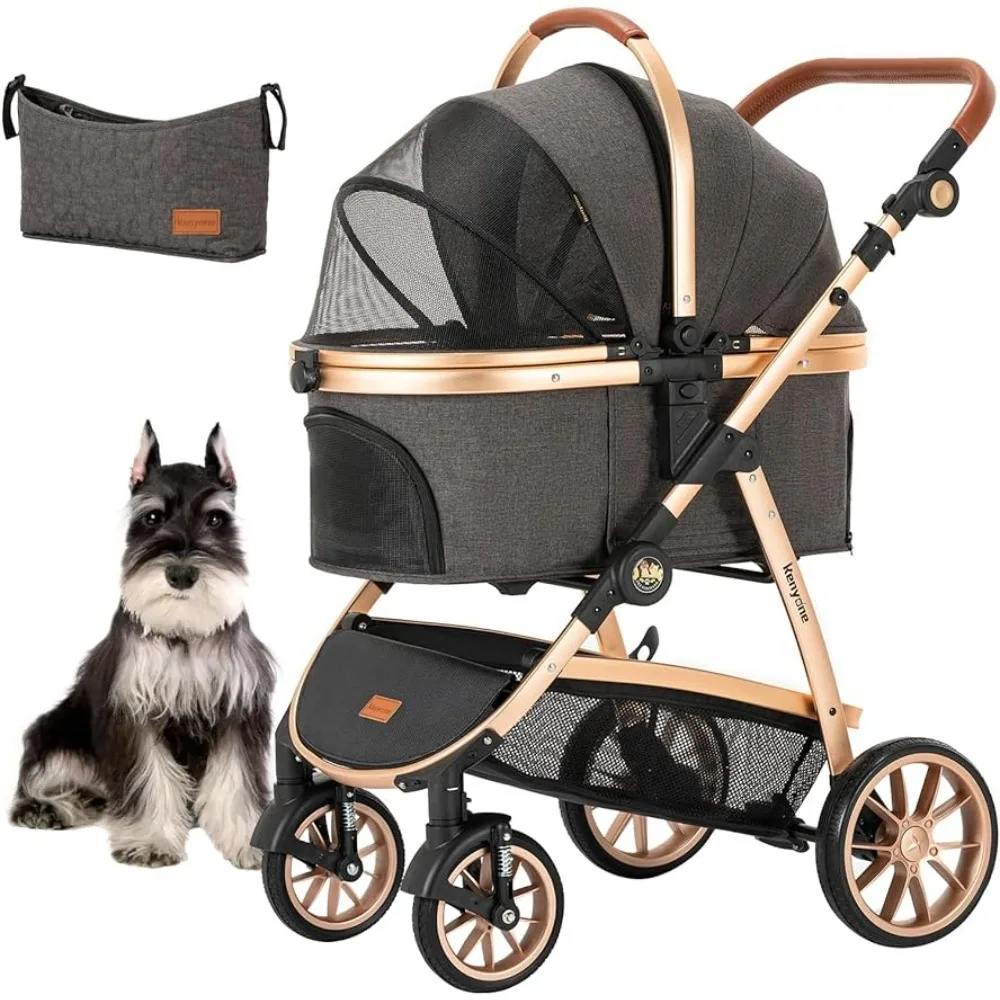
Durable Pet Carrier
$536.99 AUD