Puppies for Adoption: A Fresh Start for a Loyal Companion
Across Australia, rescue centres and shelters brim with puppies for adoption, each one looking for a home that will love and care for them.
Whether you’re after a scruffy Terrier mix or a gentle Labrador cross, adopting a puppy is a meaningful change into a world of licks, tail wags, and lots of love.
Why Choose Adoption Over Buying?
Choosing adoption doesn’t just open your door to a new best mate, it gives a future for countless dogs waiting behind chain-link fences. When you adopt, you make room in the shelter for another animal in need. You also support a system that works to end overbreeding and reduce animal neglect.
Here’s what sets adoption apart:
You save a life: Many rescue puppies come from tough backgrounds- dumped litters, abandoned homes, or overrun pounds. By adopting, you offer safety and love to a dog who’s had little of either.
You support ethical pet ownership: Adoption helps curb unethical breeding and reduces the demand for backyard breeders.
You get support and transparency: Shelters often share medical records, temperament assessments, and desexing details. You know what you’re getting, and you won’t be left to figure it out alone.
People searching for puppies for adoption often find dogs that are not only cute but also partially trained, vaccinated, and well-socialised. It’s a strong foundation to build a lifelong bond.
Where to Find Puppies for Adoption in Australia
Across the country, you’ll find plenty of places rehoming puppies in need. While larger organisations like the RSPCA or Animal Welfare League are well-known, smaller local rescues often have litters that slip under the radar. Many breed-specific rescues also list puppies for adoption that have been surrendered or rescued from unsafe conditions.
Here’s where to look:
Local shelters and pounds – Council-run facilities often take in strays and surrendered pets. These pups are usually desexed, vaccinated, and microchipped before adoption.
Rescue groups – These are typically foster-based and operate through networks of volunteers. Puppies grow up in homes rather than kennels, giving them a smoother start and basic house training.
Online pet adoption platforms – Websites like PetsForHomes connect rescue organisations with people looking for a pup. These platforms often allow you to filter by breed, age, size, and location.
Social media – Many rescues post available puppies on Facebook or Instagram. Following local groups can help you spot a pup before it gets snapped up.
When browsing puppies for adoption, don’t get swept up by the first cute face. Take the time to read their story, understand their needs, and speak with the rescue team about how they’d fit into your life.
What to Expect During the Adoption Process
Adopting a puppy isn’t as simple as picking one and bringing it home. Rescue organisations work to match dogs with the right people. That means questions, forms, and sometimes a home visit. It might feel thorough, but it’s designed to give both you and the pup the best shot at success.
Here’s what the process often includes:
Filling out an application – This helps the rescue learn about your lifestyle, living situation, work hours, and dog experience.
Interview or phone chat – You’ll chat with a coordinator to talk through your answers and expectations.
Meet-and-greet – You’ll be invited to meet the puppy and see how you interact. If the pup is in foster care, the foster carer may offer insight into their behaviour.
Home check – Some rescues will visit your home to ensure it’s safe and suitable (fenced yard, shaded areas, secure gates).
Adoption agreement – Once approved, you’ll sign an agreement and pay an adoption fee. This usually covers vaccinations, microchipping, desexing, worming, and sometimes starter supplies.
Adopting through this process builds trust and helps you get ready for the responsibility of puppy parenthood. It also filters out impulse decisions—which are one of the main reasons dogs end up back in shelters.
Preparing Your Home for a Rescue Puppy
Before you bring your new mate home, you’ll need to set the stage for a smooth transition. Puppies for adoption often come from unstable environments. A bit of preparation goes a long way in helping them settle.
Here’s how to get your home ready:
Create a safe zone: Set up a quiet area with a crate or comfy bed where the puppy can retreat and rest. This space should be out of the way of heavy foot traffic.
Puppy-proof the house: Tuck away cords, shoes, and anything chewable. Install baby gates if you need to block off rooms or stairs.
Stock up on basics: You’ll need bowls, food, toys, a collar with ID tag, lead, and cleaning supplies. A good vet-approved puppy food is also key.
Book a vet visit: Even if the rescue provides initial health checks, it’s wise to line up your own vet for ongoing care and advice.
The first few days may feel rocky. Accidents will happen. Your pup might hide, bark, or chew. Be patient, kind,and consistent. Many rescue puppies blossom once they feel safe and understood.
Training and Socialisation: Giving Your Puppy the Tools to Thrive
Every dog benefits from clear guidance – and rescue puppies are no different. In fact, many need extra support to build confidence, learn boundaries, and trust people again.
Training doesn’t mean shouting commands. It means showing your pup what you expect and rewarding the behaviour you want to see. Start simple: sit, stay, come. Use treats, praise, and repetition.
Socialisation is just as important. Expose your puppy to new sights, sounds, people, and animals in a gentle, positive way. Early exposure helps prevent fear-based behaviour later in life.
Look for puppy school programs or local trainers who use reward-based methods. Many shelters even offer discounted or free training for dogs adopted through their program.
Puppies for adoption may come with quirks, but they also come with open hearts. With time and trust, even the shyest pup can become a loyal, happy companion.
The Cost of Adopting a Puppy
Adopting a puppy isn’t free, but the adoption fee usually covers far more than you’d expect if buying a puppy elsewhere. Most rescue organisations include desexing, vaccinations, microchipping,and worming in the cost.
On average, you can expect to pay between $200 and $600 depending on the organisation and the puppy’s age. While that may seem steep at first, compare it to the combined costs of private vet services, which often reach over$1000 for the same treatments.
Here’s what the adoption fee often includes:
First round (or full course) of vaccinations
Microchipping
Desexing
Flea and worm treatments
Vet check and health record
Some rescues also provide starter kits, comfort items, and food that the pup is used to eating.
While puppies for adoption are usually cheaper, it’s important to know that there are a lot of hidden expenses down the line with having a dog. Be sure to consider the cost of food, vet care, pet insurance, training classes, bedding, toys, and ongoing preventative treatments that will likely come up along the way, so that you don’t have to rehome a dog down the line when things get tough. However, the love you’ll receive in return for adopting a puppy is priceless.
Common Myths About Rescue Puppies
Let’s bust a few myths that often stop people from exploring adoption:
“There are no puppies in shelters.”
False. Puppies come through rescue organisations all the time, especially after puppy mill shutdowns, backyard breeder surrenders, or accidental litters.
“Adopted dogs are damaged.”
Wrong. Many rescue puppies are surrendered for reasons that have nothing to do with them – moving house, changes in family circumstances, or allergies. With love and training, most puppies thrive.
“You can’t find purebreds.”
Not true. While shelters mostly rehome crossbreeds, purebred puppies for adoption show up more often than you’d think, especially through breed-specific rescues.
“It’s easier to raise a puppy from a breeder.”
Not necessarily. All puppies need socialisation, house training, and structure, no matter where they come from. Many adopted pups are already crate trained or used to children and other pets.
Finding the Right Fit for Your Family
When scrolling through pages of puppies for adoption, it’s easy to fall for floppy ears or patchy fur. But adoption isn’t just about picking a puppy – it’s about choosing a personality, energy level, and breed mix that matches your lifestyle.
Ask yourself:
Do I want a high-energy pup who’ll run trails with me, or a relaxed mate for the couch?
Am I ready for the teething stage, toilet training, and wake-ups at 3am?
Is my yard secure? Is my landlord okay with pets?
Do I have other animals or young kids to consider?
Talk to the rescue group honestly. They’ll guide you to puppies that fit your setup. You’ll avoid mismatches and reduce the risk of surrender down the track.
Many rescues offer trial periods or foster-to-adopt arrangements. These allow you to spend time with a puppy before committing, giving both of you the chance to settle in gradually.
Final Thoughts: Why Adoption Changes Lives
Bringing home a puppy is no small thing. It’s muddy paws, shredded shoelaces, early mornings, and unexpected joy. When you adopt, you don’t just fill your house with fluff and squeaks, you give purpose to an animal once left behind.
Rescue organisations across Australia are overflowing with puppies for adoption. Each one waits for someone like you – a person willing to offer shelter, food, and a future.
But what do you get in return? A wagging tail when you walk through the door. A warm presence curled beside you on the couch. A silent, steadfast friend who doesn’t care about your bad hair days or missed deadlines.
Ready to Adopt?
Browse listings of puppies for adoption today on PetsForHomes. You’ll find pups from trusted rescue groups across Australia. Filter by breed, age, or location, and take the first step toward changing two lives forever.
Related posts:




You must be logged in to post a comment.


Dachshund Pet Stairs
$135.99 AUD
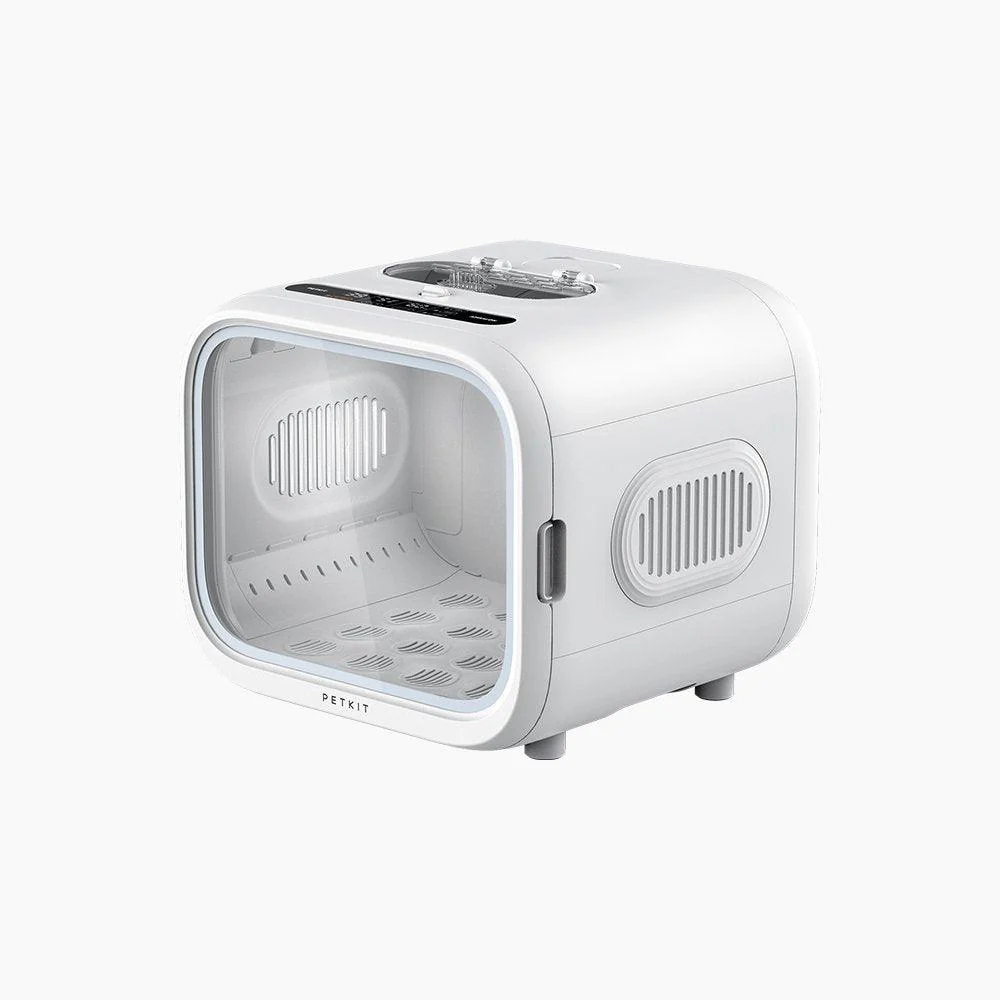
PETKIT AIRSALON Smart Pet Dryer Box
$622.99 AUD
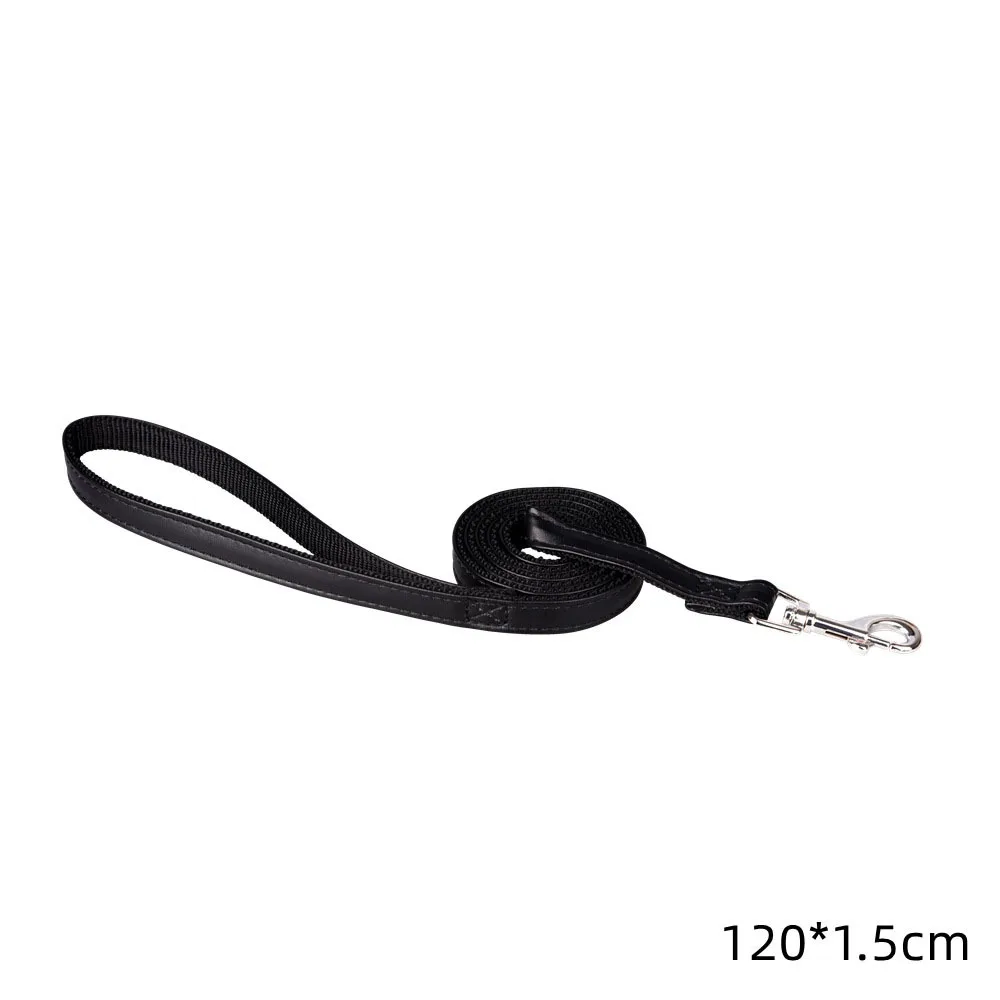
Premium Dog Training Leasg
$29.99 AUD

Argyle Dog Car Seat Cover
$87.99 AUD
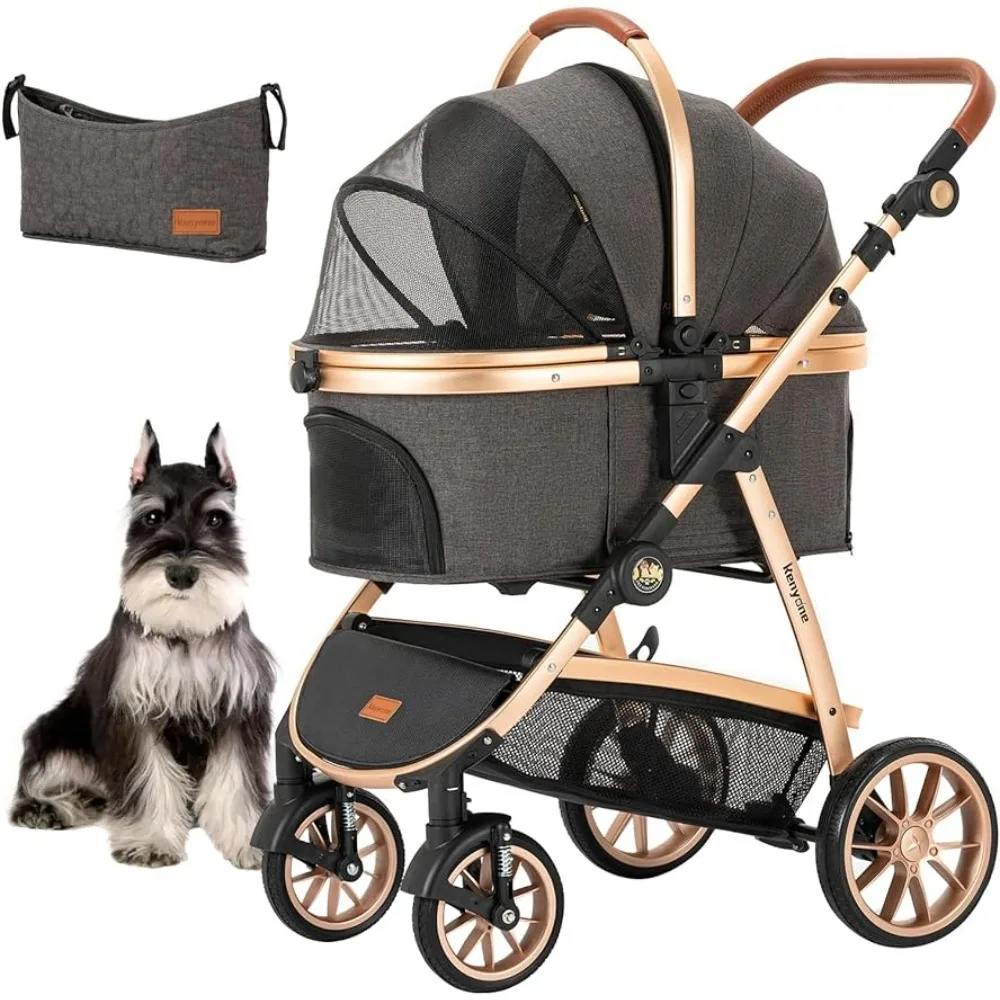
Durable Pet Carrier
$536.99 AUD