Purebred vs Crossbreed Dogs: Which Is the Right Choice for You?
Choosing a dog is one of the great joys of life – and one of the more complicated decisions, as well. Ask anyone about dog breeds, and there will be a debate between the merits of purebred vs crossbreed dogs. Which breed is healthier? Which breed tends to exhibit better behaviour? Which breed is the better choice for your home?
While there is no single answer to these questions, both types of dogs can make wonderful companions. By understanding the differences between these two categories of dogs, however, you can make the best choice for your individual situation and lifestyle. Let’s take a look at the differences between purebred dogs vs crossbreed dogs.
What Is a Purebred Dog?
A purebred dog is one whose parents, and whose parents before them, all belong to the same breed. Such dogs are registered with organisations like the ANKC, and are bred to a standard for that breed.
Consider the loyalty of a Labrador Retriever, the intelligence of a Border Collie, or the elegant features of a Cavalier King Charles Spaniel. All of these breeds have been selectively bred for centuries to exhibit these features and characteristics.
What Is a Crossbreed Dog?
A crossbreed dog (also called a hybrid, designer dog, or mixed breed) is the offspring of two different purebred parents. Popular examples include:
- Labradoodle – Labrador Retriever × Poodle
- Cavoodle – Cavalier King Charles Spaniel × Poodle
- Groodle – Golden Retriever × Poodle
- Spoodle – Cocker Spaniel × Poodle
Many of Australia’s most beloved family dogs are crossbreeds. The Cavoodle, in particular, has become one of the most sought-after dogs in the country — and for good reason.
Purebred vs Crossbreed Dogs: The Key Differences
1. Predictability of Traits
Purebreds are highly predictable. When you adopt a purebred German Shepherd puppy, you have a very clear picture of how big it will grow, what its coat will look like, how much exercise it will need, and what its general personality will be. This consistency is one of the greatest advantages of choosing a purebred.
Crossbreeds, by contrast, can be a little more of a surprise. First-generation crosses (F1) can inherit any combination of traits from either parent. A Labradoodle might shed like a Labrador or have the low-shed coat of a Poodle — there’s no guarantee. Later generations (F2, F3, and so on) tend to be more predictable as breeders refine the traits they’re selecting for.
Winner for predictability: Purebreds
- Health Considerations
This is where the debate gets interesting. Purebred dogs, because of their narrow gene pool, can be more susceptible to breed-specific hereditary conditions. For example:
- German Shepherds are prone to hip dysplasia
- Cavalier King Charles Spaniels have a high incidence of mitral valve disease
- Bulldogs frequently experience breathing difficulties due to their brachycephalic (flat-faced) anatomy
Responsible, ethical breeders conduct health screenings and genetic testing to reduce these risks, but they cannot eliminate them entirely.
Crossbreeds are often said to benefit from hybrid vigour — the idea that genetic diversity leads to stronger, healthier offspring. There is genuine scientific support for this: studies have found that mixed-breed dogs tend to live longer on average and are less prone to certain inherited diseases.
That said, crossbreeds aren’t immune to health problems. If both parent breeds carry the same genetic condition, the offspring may still be at risk.
Winner for overall health: Crossbreeds (generally, with caveats)
- Temperament and Behaviour
Because purebred dogs are bred for specific purposes, their temperaments often reflect that purpose. For example, working-line Border Collie temperaments demand mental stimulation, while Siberian Huskies have strong instincts to chase prey and wander. These temperaments have been deeply reinforced over generations, so owners must be prepared to care for these dogs accordingly.
Many crossbreeds have more balanced temperaments due to the contrasting traits of the two parent breeds. The Cavoodle, for example, features the gentle and social nature of the Cavalier and the intelligence of the Poodle, making it a readily easygoing dog companion for families.
Despite the advantages of crossbreeds, the temperament of a dog may differ within the same litter. Still, considerable research must be done on the temperament of the breed’s parent species.
Winner for temperament predictability: Purebreds
- Coat and Allergy Considerations
One of the biggest reasons that Australians turn to Cavoodles, Groodles, and Spoodles is due to the fact that these breeds tend to have low-shedding coats. While these dogs are often marketed as hypoallergenic (which means they do not contain any allergens to humans – allergens are derived from dander and saliva, not fur), no dog is truly hypoallergenic.
However, the low-shedding coat can be of benefit to those with mild allergies to dogs’ fur, or to those who are simply reluctant to constantly clean up fur from their couches and furniture.
Winner for low-shedding options: Crossbreeds (Poodle crosses in particular)
- Cost
Purebred puppies from registered breeders typically range from $1,500 to $5,000+ in Australia, depending on the breed and breeder reputation. Some rare breeds command significantly higher prices.
Designer crossbreeds have surged in popularity — and in price. Cavoodle and Groodle puppies regularly sell for $3,000 to $7,000, sometimes more. The high demand and perceived benefits have driven prices well above many purebreds.
Adopting a mixed-breed dog through a shelter or rescue organisation remains the most affordable option, often costing only a few hundred dollars in adoption fees.
Winner for affordability: Shelter/rescue mixed breeds
- Breed Recognition and Showing
If participating in conformation shows, dog sports, or working trials is important to you, a purebred registered with the ANKC is the way to go. Crossbreeds are not eligible for most traditional kennel club competitions, though many dog sports (agility, obedience, flyball) welcome all dogs regardless of breed.
Winner for showing: Purebreds
Is a Crossbreed or Purebred Dog Right for Your Home?
Here’s a simple guide to help you decide:
Choose a purebred if you:
- Want high predictability in size, coat, and temperament
- Are interested in dog sports or conformation showing
- Have done thorough research into the breed and are prepared for its specific needs
- Want to work with a registered breeder who has a long history with the breed
Choose a crossbreed if you:
- Are looking for a family-friendly companion with a potentially lower risk of inherited disease
- Have mild allergies and want a lower-shedding option
- Are drawn to a specific hybrid’s combination of traits
- Want the personality benefits of two complementary breeds
Consider adopting from a rescue if you:
- Are open to giving an adult dog a second chance
- Want a more affordable option
- Are happy to work with what you find, rather than specifying exact traits
A Note on Finding a Responsible Breeder
Whether you choose a purebred or a crossbreed, the single most important factor in your puppy’s long-term health and temperament is the quality of the breeder. Always look for breeders who:
- Conduct and document health screenings on parent dogs
- Allow you to visit and meet the puppy’s mother
- Are transparent about the puppy’s history and socialisation
- Don’t have multiple litters available at all times
- Are happy to answer your questions and stay in contact after the purchase
Avoid backyard breeders and puppy farms at all costs — these operations prioritise profit over animal welfare, and the puppies they produce often come with significant behavioural and health challenges.
Final Thoughts
The purebred vs crossbreed dogs debate doesn’t have a definitive winner — it depends entirely on what you’re looking for in a companion. Purebreds offer consistency, heritage, and breed-specific traits honed over centuries. Crossbreeds offer diversity, potential hybrid vigour, and some genuinely brilliant combinations of personality and coat type.
What matters most is that you go into the decision informed, prepared, and committed to giving your dog the love, care, and environment they deserve.
At PetsforHomes, we believe every dog deserves a great home — whether they’re a pedigreed show dog or a lovable mix of everything wonderful.
Related posts:




You must be logged in to post a comment.
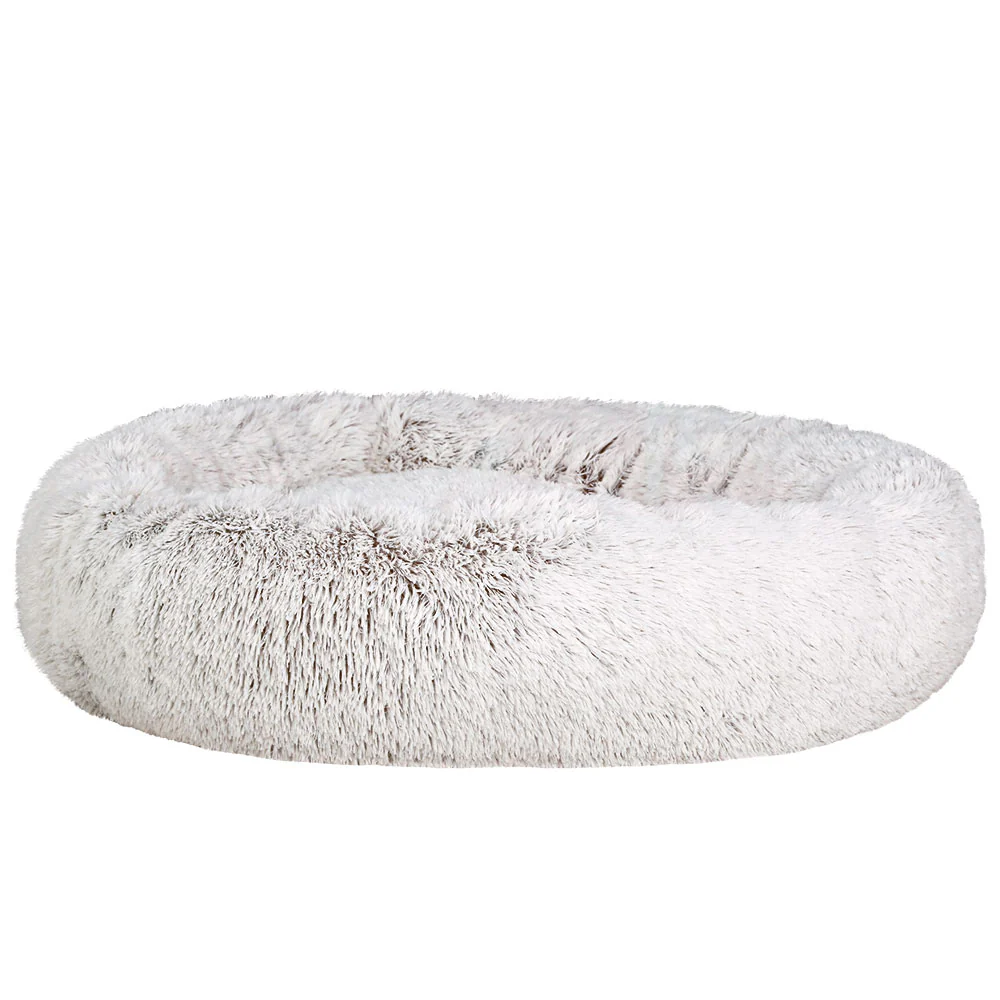

Dachshund Pet Stairs
$135.99 AUD
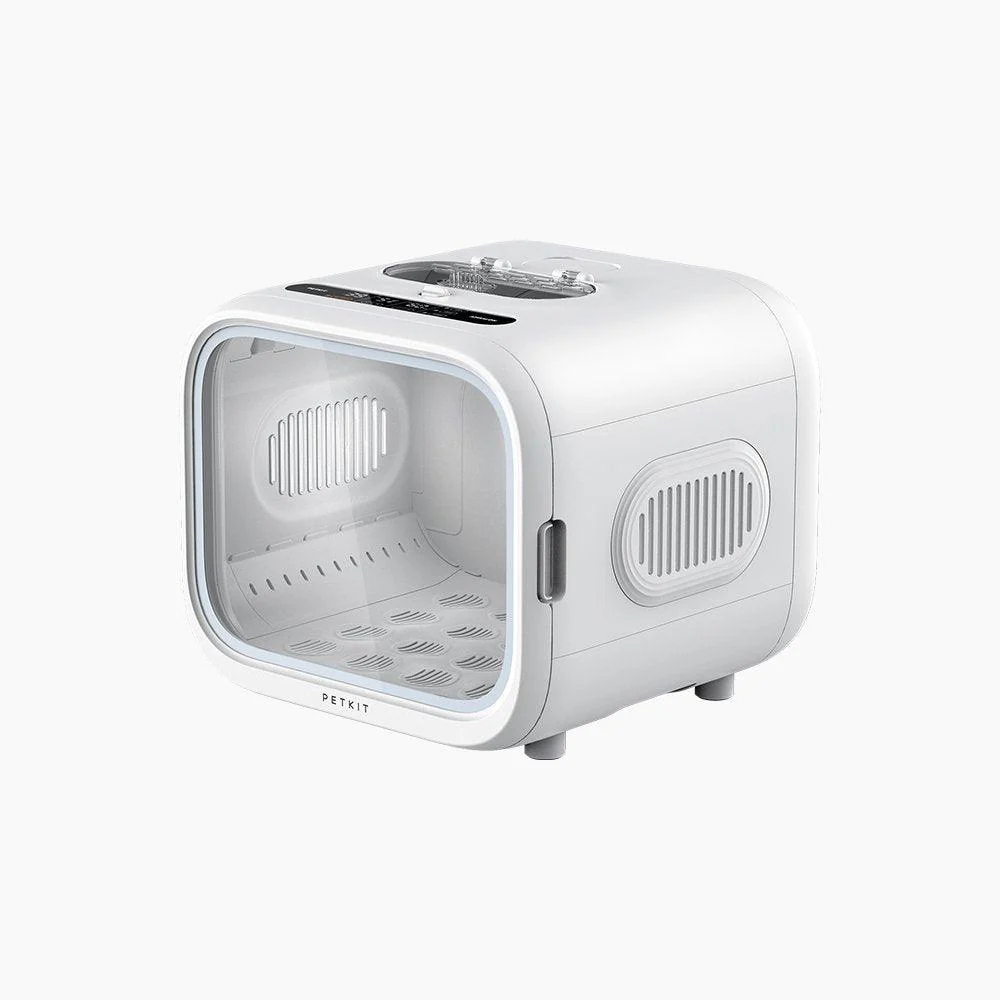
PETKIT AIRSALON Smart Pet Dryer Box
$622.99 AUD
Premium Dog Training Leasg
$29.99 AUD

Argyle Dog Car Seat Cover
$87.99 AUD
Durable Pet Carrier
$536.99 AUD