Search over 0 Reptiles & Amphibians results across Australia
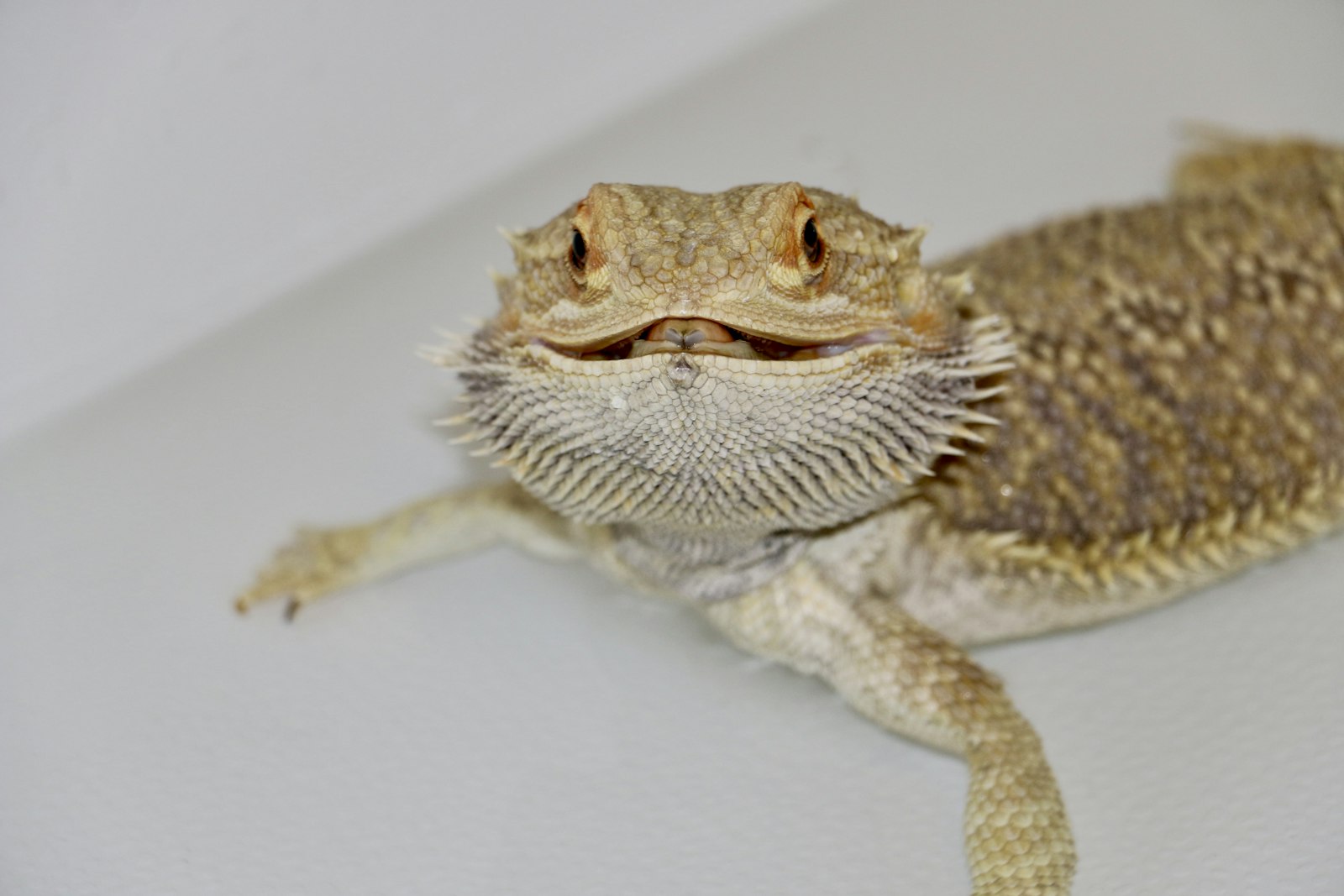
Enter the fascinating world of Australian reptiles and amphibians. From docile Central Bearded Dragons and inquisitive Blue-Tongue Lizards to vibrant Green Tree Frogs and striking Carpet Pythons, captive-bred reptiles and amphibians offer a rewarding keeping experience unlike any other pet.
Filter 
Search

Breed
Location

Price Range
Breed Characteristics
Grooming
Coming soon.
Exercise
Coming soon.
Size Range
Coming soon.



Find Reptiles & Amphibians
For Sale
0 Results
Australia's No. 1 Free Pets Classified
Enter the fascinating world of Australian reptiles and amphibians. From docile Central Bearded Dragons and inquisitive Blue-Tongue Lizards to vibrant Green Tree Frogs and striking Carpet Pythons, captive-bred reptiles and amphibians offer a rewarding keeping experience unlike any other pet.
 Questions To Ask A Breeder

- Are you a registered breeder?
- Can we meet in person?
- Have they been socialised?

Breed Characteristics
Grooming
Coming soon.
Exercise
Coming soon.
Size Range
Coming soon.
The Ultimate Reptiles & Amphibians Guide
About Reptiles & Amphibians
Australia is home to some of the most iconic reptiles and amphibians in the world, and responsible captive breeding makes it possible to keep many of these native species at home.

Lifespan
Varies

Weight
Varies

Height
Varies

Grooming
Varies
Origins
Varies between species.
Key Characteristics Of Reptiles & Amphibians
Are Reptiles & Amphibians Family-Friendly?
Many captive-bred Australian reptiles and amphibians make wonderful, low-maintenance family pets when paired with the right household expectations and adult supervision.
To protect native wildlife and prevent biosecurity risks, keeping exotic (non-native) reptiles and amphibians is prohibited in Australia, and most native species require a Recreational Wildlife / Native Animal Keeper Licence issued by your state or territory environmental authority (such as DCCEEW in NSW, DEECA in VIC, or DESI in QLD). Always confirm your state’s species schedule before bringing home a new pet.
Common Health Issues & Considerations
Reptiles & Amphibians may suffer from:
Metabolic Bone Disease (MBD)
One of the most common preventable conditions in captive lizards and turtles, caused by insufficient UVB lighting or inadequate calcium and vitamin D3 supplementation. Symptoms include soft or deformed jawbones, swollen limbs, and tremors.
Respiratory Infections
Often triggered by enclosures that are kept too cold, overly damp without adequate ventilation, or lacking a proper thermal gradient. Watch for wheezing, open-mouth breathing, or bubbles around the nostrils and mouth.
Dysecdysis (Incomplete Shedding)
Retained shed skin (especially around toes, tail tips, or eyes) can restrict circulation if humidity levels or hydration are too low. Providing a dedicated humid hide and lukewarm shallow soaks helps prevent shedding issues.
Nature / Temperament
Quiet, Curious, Observant
Unlike dogs or cats, reptiles and amphibians do not make noise or require social pack interaction. Their temperaments vary widely by species.
Suitable Environment
Reptiles and amphibians adapt brilliantly to apartments, townhouses, and family homes of any size because their entire territory is housed inside a secure, escape-proof enclosure.
Other Considerations
In Australia, all native reptiles and amphibians are protected by state and territory wildlife legislation, and keeping exotic (non-native) species is strictly prohibited.
How can I take good care of my Reptiles & Amphibians?
Nutrition
Dietary needs depend entirely on whether your pet is insectivorous, omnivorous, herbivorous, or carnivorous:
-
Dragons & Skinks: Juvenile Bearded Dragons and Blue-Tongue Lizards need a high proportion of live, gut-loaded insects (crickets, wood roaches, black soldier fly larvae) dusted with calcium and multivitamin powders, gradually shifting toward leafy greens (bok choy, endive, dandelion greens) and safe vegetables as adults.
-
Pythons: Captive-bred pythons thrive on appropriately sized, humanely pre-killed and frozen-thawed rodents (pinkie mice through to adult rats), fed every 7 to 14 days depending on age and size.
-
Frogs & Geckos: Feed primarily on live, calcium-dusted insects offered in the evening when they are most active.
-
Freshwater Turtles: Require a varied aquatic diet of commercial turtle pellets, feeder fish, prawns, bloodworms, and aquatic plants.
Grooming
Unlike dogs or cats, reptiles and amphibians do not have fur that needs brushing or regular shampoo baths. Spot-cleaning waste and uneaten food daily keeps your pet’s skin and enclosure hygenic.
Recommended Grooming Tips
Frogs and other amphibians have delicate, permeable skin that absorbs oils and chemicals. Always wash and rinse your hands thoroughly with dechlorinated water before any necessary handling.
Reptiles periodically shed their skin as they grow. Never peel or pull loose skin off manually, as this can damage healthy scales underneath.
Exercise
Reptiles and amphibians do not need daily outdoor walks, as they get most of their physical activity inside a well-designed habitat. This may be supplemented by short, supervised out-of-enclosure sessions for handleable species.
Training
Unlike dogs or cats, reptiles and amphibians do not respond to traditional obedience commands. Instead, consistent interaction teaches handleable species that human contact is safe.
This is general information and should not be relied on for adopting or purchasing advice.
Most Asked Reptiles & Amphibians Questions
Similar Breeds

Safe

Responsible

Accountable
Find your next pet with PetsForHomes - Australia’s number one free website to find a pet for sale or adoption.
Trusted & Viewed by over 1 Million Australians