Should You Feed Your Dog Human Food? Pros and Cons Explained
Most dog owners have shared food with their pets at some point during the ownership period. Whether it was a piece of chicken from the cutting board, a handful of rice from the dinner plate, or something that was dropped but offered purposefully instead of picked up, all of these foods have likely been shared at least once with a dog. The real issue for dog owners is not whether humans share their food with their dogs, but rather the safety and appropriateness of that shared food.
Some human foods are suitable for dogs to consume, while other foods should never enter the dog’s bowl. Owners get tripped up by the variety of foods that may be categorized as “human food” yet are not safe for dogs to consume. Plain chicken is suitable for dogs’ diets, but fatty leftovers are not.
For these reasons, veterinarians all recommend the same answer to owners who ask if it is okay to feed their dogs human food: it is, but only occasionally and never as a replacement for a complete and balanced diet for dogs.
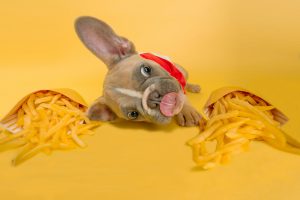
The Short Answer: Yes, but Very Selectively
Yes, dogs can eat some human foods. That is true. However, the list of human foods that are safe for dogs to eat is narrower than dog owners may think. Additionally, the amount of that food that dogs eat matters just as much as dog owners may think.
Human foods that are safe for dogs in small amounts are generally safe for dogs in larger amounts. The occasional bite of an edible human food is not likely to cause a problem for dogs. However, if either of those two variables is wrong, the dog will pay for it rather quickly. Most dog owners do not encounter problems with human food because they share that food with their dogs once. Instead, dog owners encounter problems with human food because they turn the occasional sharing of human food into a regular habit with their dogs.
The bigger point is that even safe extras are still extras. A dog’s regular food is supposed to do the heavy lifting nutritionally. Human food should stay in the supporting role.
Potential Benefits of Sharing Some Human Foods
Not every bite from the kitchen is a bad idea. Some foods can be useful in small amounts, especially when they are prepared simply and treated more like a supplement than a meal.
What Can Be Helpful in Small Amounts
Lean cooked meats like chicken or turkey are usually easy examples because they add protein without much complication. Some fruits and vegetables can work too. Carrots can add fiber and crunch. Blueberries are often mentioned because of their antioxidant content. Plain cooked rice is another one owners tend to reach for when a dog’s stomach has been off.
Fruit is where a lot of people hesitate, which is probably wise. It is usually less about “fruit is good” or “fruit is bad” and more about the specific fruit, the portion, and how it is served. If you have found yourself wondering whether can dogs eat strawberries is the kind of question worth checking before handing one over, it is.
Salmon can also be a good option when it is cooked plainly, mostly because of the Omega-3s. Even peanut butter can work in moderation, as long as it does not contain xylitol. The safest pattern is not complicated: plain food, small amount, nothing rich or heavily dressed up.
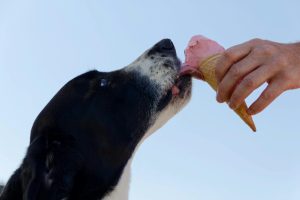
The Biggest Downsides to Watch For
A lot of the trouble does not come from obviously dangerous foods. It comes from safe foods being offered too often, in the wrong amount, or in the way people usually eat them themselves.
Why Even Safe Foods Can Cause Problems
A food can be technically safe and still end badly for the dog. Fatty leftovers are a good example. Even when there is nothing toxic in them, rich foods can trigger vomiting, diarrhea, or general stomach upset. Some dogs handle that badly after a surprisingly small amount.
The more serious version of this is pancreatitis, which is one of the risks tied to regular high-fat scraps. It is painful, it can become urgent fast, and it often starts with the kind of “just a little treat” logic owners do not think twice about in the moment.
Weight gain is another issue, mostly because it sneaks up. The extra calories from bites here and there do count, even when the food itself sounds healthy. Over time, those little additions can push a dog well past what its normal diet was designed to support. That is one reason a comprehensive guide to feeding your dog almost always comes back to the same point: consistency matters more than owners think.
There is also the nutrition problem. Once human food starts crowding out the dog’s actual meals, the diet becomes less balanced, even if the owner feels like they are feeding “real food.”
Human Foods Dogs Should Never Eat
Some foods are not risky because of portion. They are risky because dogs should not be eating them at all.
Chocolate is the one most people know. Grapes and raisins belong on that list too. Onions and garlic are a problem in any form, including cooked food and powders hidden in leftovers. Xylitol is another big one, especially in sugar-free products and some peanut butters. Macadamia nuts are unsafe as well.
This is part of why why you shouldn’t let your dog eat table scraps keeps coming up in veterinary advice. People tend to think in terms of the main ingredient, but the real issue is often what else is mixed in. A harmless-looking bite from the plate can contain seasoning, sweetener, fat, or ingredients the owner is not even thinking about.
If a dog gets into one of the known toxic foods, it is worth calling the vet right away rather than waiting to see if anything happens.
How to Offer Human Food More Safely
The safest way to share human food with a dog is to take most of the “human” part out of it.
Keep the amounts small and do not introduce a bunch of new foods at once. If something does not sit right, it is much easier to figure out what happened when there was only one new thing involved. Otherwise, you are left guessing.
How the food is prepared matters more than a lot of owners realize. The version that is safe for a dog is usually the plain one, not the one made for dinner. Butter, sauces, seasoning, sugar, and fried coating can change the situation fast.
It also helps to be realistic about portions. One scoop of pumpkin from your dinner most likely does not sound like a lot until it becomes a habit. Additionally, puppies, dogs in their senior years, and dogs with certain medical issues may require special consideration of any foods deemed as “safe” to be consumed by dogs.
Bottom Line
Some human foods are fine for dogs. Plenty are not. Even the foods that are safe for dogs can become problematic if they are given to them too often or in the wrong form.
That is really where the difference sits between foods that are safe for dogs and those that can be detrimental to them. Foods that are safe for dogs if given to them only occasionally are different from those that, when provided to them regularly or as part of a dog’s diet other than proper dog food, can become a health risk to those canine companions.
The best rule of thumb for feeding human food to dogs is to limit it to occasions when the dogs are otherwise fed, and to ensure that the diets provided to the dogs are based upon foods that meet the needs of dogs rather than those provided to human beings at dinner.
Related posts:




You must be logged in to post a comment.

Dachshund Pet Stairs
$135.99 AUD
PETKIT AIRSALON Smart Pet Dryer Box
$622.99 AUD
Premium Dog Training Leasg
$29.99 AUD

Argyle Dog Car Seat Cover
$87.99 AUD
Durable Pet Carrier
$536.99 AUD