What Breed Best Suits Me? Your Complete Guide to Finding Your Perfect Dog Match
Choosing the right dog is one of the most enjoyable decisions you will make, but can be a struggle with over a hundred different breeds to choose from! If you are in the market for a new dog and you’ve asked yourself “what breed best suits me,” read this guide to finding the right pup that will give you a lifetime of paw-sitive experiences!
Understanding Your Lifestyle
Before falling in love with a particular breed’s appearance, take an honest look at your daily life. Your lifestyle is the foundation of finding your perfect canine companion.
Activity Level Matters
Are you a morning trail runner or a couch potato in need of some quiet time in the evenings? If you’re high-energy, then breeds like Border Collies, Australian Shepherds, and Kelpies require a lot of exercise and mental challenges everyday. They need an active family to keep up with their demands for vigorous exercise, so long daily walks, runs or dog sports are a must.
However, if you are more of a low-key kind of family then breeds like Bulldogs, Cavalier King Charles Spaniels and Shih Tzus will only require moderate exercise levels and are great companions for families like yours.
Living Space Considerations
Your living situation will also play a key role in deciding which breed is right for you. If you live in an apartment, look for a breed that can easily adapt to small living spaces, like a French Bulldog, Pug, or Boston Terrier. These dogs need not a big yard to run around in but can get their exercise from short walks and playtime indoors. For those with a larger living space and a secure yard, bigger breeds like a Golden Retriever, Labrador Retriever, or German Shepherd have the space they need to stretch their legs.
Time Commitment
Different breeds require different time commitments. Working breeds and high maintenance coats require more time. If you are away from home for long periods of time, you might want to consider a breed that tolerates alone time such as Basset Hounds or Greyhounds. Companion breeds, like Maltese or Poodles cannot be left alone for long and require owners with more time to spend.
Family Dynamics and Living Situation
Homes with Children
If you have young children, you’ll want a dog breed that’s tolerant and kind. Labrador Retrievers, Golden Retrievers, and Beagles are often recommended as the best family dogs. These breeds are known for being tolerant, playful, and sturdy enough to handle the bumps and knocks of small children. For families with older children, you might consider a smaller, less sturdy breed.
Multi-Pet Households
Do you have other pets? Some breeds have a higher prey drive or may be more territorial. Golden Retrievers and Cavalier King Charles Spaniels usually do well with other animals. However, terriers and some hound breeds may have a higher prey drive that isn’t suited to living with cats or other small pets.
Allergies in the Family
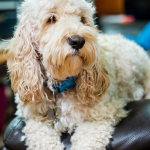
While no dog is truly hypoallergenic, some breeds are better for allergy sufferers than others. Cavoodles, Portuguese Water Dogs, and Schnauzers all have hair, not fur, which means they don’t shed as much.
Grooming and Maintenance Requirements
Grooming needs vary dramatically across breeds and directly impact the time and money you’ll invest in your dog’s care.
Low-Maintenance Coats
Dogs with short coats like Beagles, Boxers, and Staffordshire Bull Terriers require only brushing and the occasional bath. Ideal for the wash-and-go owner.
High-Maintenance Breeds
Breeds with coats that grow long and flowy (e.g., Afghan Hounds) or that requires daily brushing (e.g., Poodles) are very time consuming to care for. If the hair is not brushed, it can get matted quickly, leading to skin problems and discomfort. Expect to go to the groomer every six to eight weeks.
Temperament and Personality Traits
Trainability
First time owners will do well with low training requirements breeds. Border collies, German Shephards and Poodles are all very smart and eager to learn. The high levels of intelligence, however, have to focused somewhere otherwise the dogs can become destructive. More independent breeds like Basenjis or Afghan hounds could be a challenge for novice owners.
Guarding Instincts
Some breeds will naturally guard their family and property. German Shepherds, Rottweilers, and Doberman Pinschers can be good watch dogs, but must be properly socialised and trained. If you want a dog that will be friendly with all, you might want to consider a breed like a Golden Retriever or Labrador Retriever, who are always excited to greet anyone.
Noise Levels
If you live in close quarters with neighbours or prefer a quiet atmosphere, you might want to consider how vocal different breeds are. Beagles, Huskies, and most terriers are very vocal. Basenjis (the “barkless dog”), Greyhounds, and Cavalier King Charles Spaniels tend to be quieter.
Health Considerations and Lifespan
Different breeds face varying health challenges that affect both their quality of life and your veterinary expenses.
Breed-Specific Health Issues
Large breed dogs such as Great Danes and Saint Bernards are at risk for hip dysplasia and have a shorter life expectancy (7-10 years). Brachycephalic (flat faced) breeds such as Bulldogs and Pugs have breathing issues and need special care in the heat. Mixed breeds are more erratic, which can reduce genetic health problems.
Size and Longevity
Generally, smaller dogs live longer than larger breeds. Chihuahuas and Toy Poodles often live 14-16 years or more, while giant breeds have considerably shorter lifespans. Consider the long-term commitment you’re prepared to make.
Climate Considerations in Australia
Australia’s diverse climate zones should influence your breed choice.
Hot Weather Breeds
For northern regions or hot summers, breeds with shorter coats and better heat tolerance thrive. Australian Cattle Dogs, Kelpies, and short-haired breeds manage Australian heat better than thick-coated breeds.
Avoiding Heat-Sensitive Breeds
Brachycephalic breeds struggle in heat and humidity, common across much of Australia. If you love Bulldogs or Pugs, ensure you have air conditioning and can manage their exercise during cooler parts of the day.
Making Your Decision
Finding what breed best suits you involves balancing all these factors against your preferences and circumstances. Consider these final steps:
Meet the Breeds
Attend dog shows, visit responsible breeders, or volunteer at shelters to interact with different breeds. Reading about temperament is valuable, but nothing replaces hands-on experience and meeting the dogs in person to get to know them.
Speak with Owners
Talk to people who own breeds you’re considering. They’ll share the realities of daily life with that breed, including challenges you might not anticipate.
Consider Rescue Organisations
There are breed-specific rescues for almost every breed across Australia. If you adopt an older dog, the dog’s personality is already developed and shelters often know what the dog’s needs are.
Consult Professionals
Speak to your vet or a professional dog trainer for advice relating to your situation, to avoid common mistakes.
Your Perfect Match Awaits
The answer to the question of what breed is right for me will be different for each person. The best breed for you should be a good match for you and your lifestyle, your home, your experience with dogs, and your preferences as an owner. With careful consideration of these points, you are on your way to enjoying years with a dog that is really a good match for your life.
And remember that no matter what kind of dog you bring into your family, your commitment to caring for them and providing a stable home is what matters most. The perfect dog for you is waiting to come home to you.
Related posts:



You must be logged in to post a comment.

Dachshund Pet Stairs
$135.99 AUD
PETKIT AIRSALON Smart Pet Dryer Box
$622.99 AUD
Premium Dog Training Leasg
$29.99 AUD
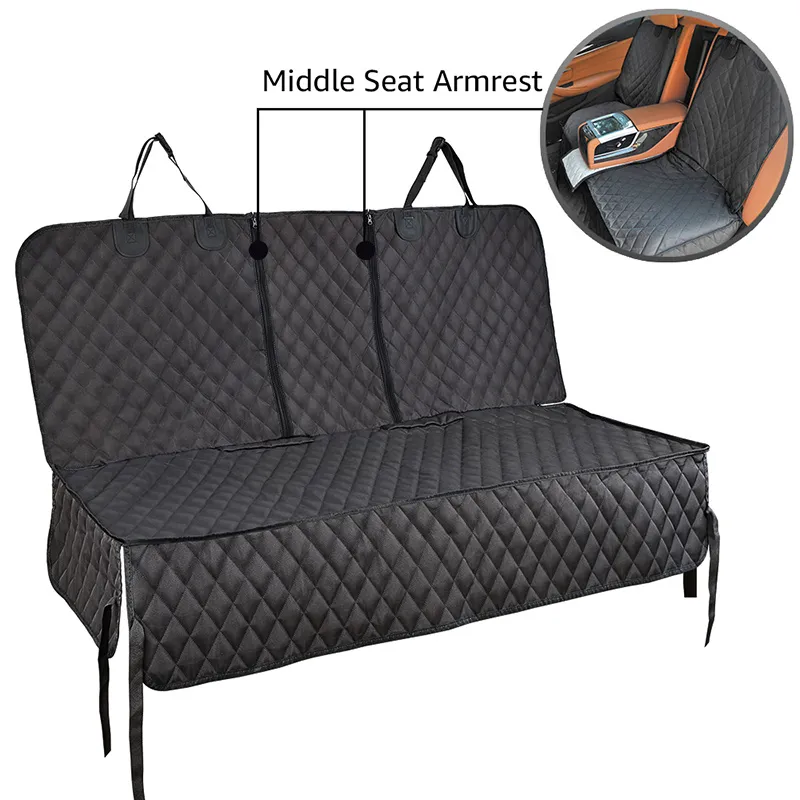
Argyle Dog Car Seat Cover
$87.99 AUD
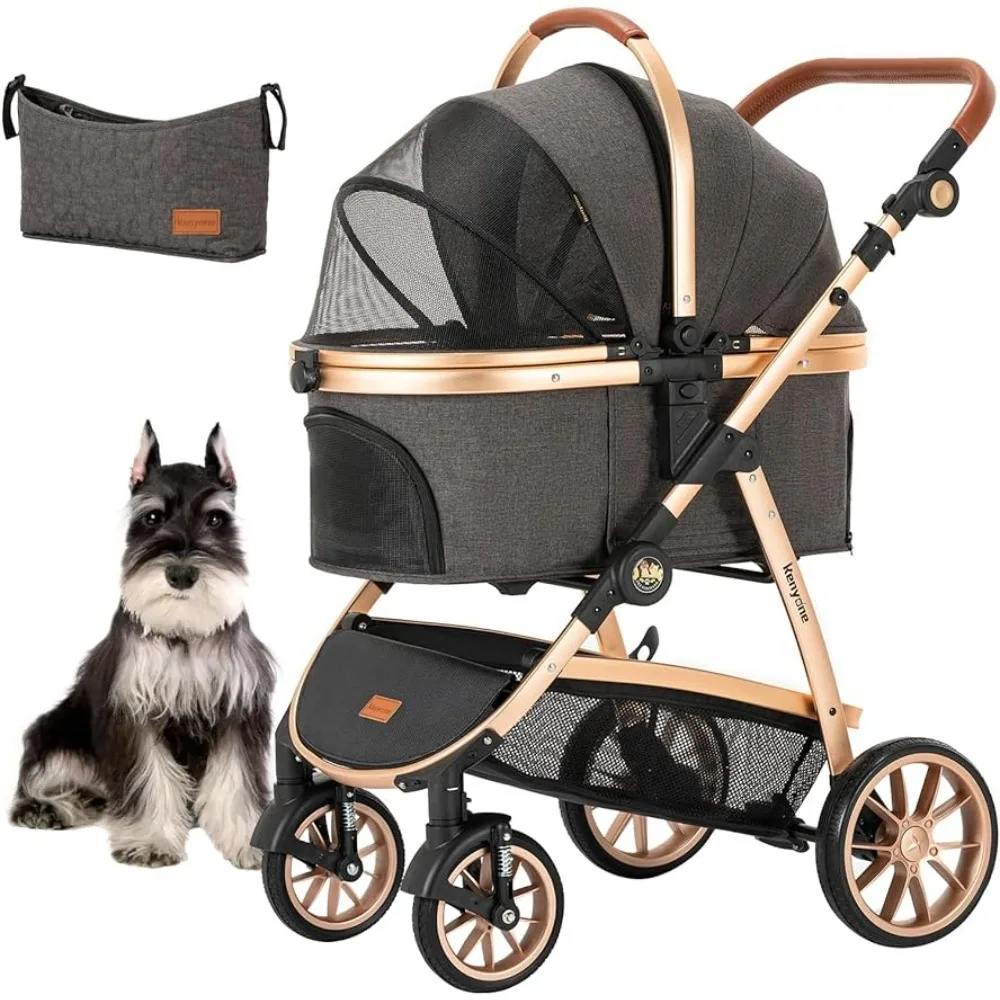
Durable Pet Carrier
$536.99 AUD