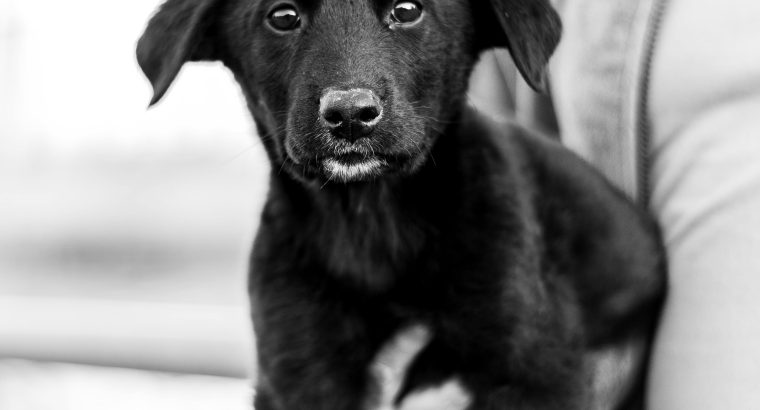
How Much Do Puppies Cost in Australia?
If you’re planning on getting a puppy, you may be wondering how much it costs overall. You will likely spend a few hundred dollars through adoption or a few thousand if getting from a registered breeder. You’ll also have to factor in the first year setup costs such as vaccinations, desexing, microchipping, and other basic needs, which will likely cost another few hundred to a few thousand dollars.
Two main paths: adoption vs breeder
- Adoption: Rescue groups and shelters normally charge an adoption fee that costs around 200 to 800 dollars. This covers the costs of desexing, vaccinations, microchipping, vet checks, and initial care.
- Registered breeder: Puppies from registered breeders will vary in cost depending on the breed, its pedigree, and demand. Most purebreds and high demand crossbreeds will cost a few thousand to over 5000 dollars.
What Aussies pay for popular breeds (purchase price guide)
We’ve put together a list of popular breeds and the ballpark cost range for each. However, this could change depending on the state, season, and pedigree.
- Cavoodle: $2,500–$5,000+
- French Bulldog: $3,500–$7,000
- Labrador Retriever: $2,000–$4,000
- Border Collie: $1,800–$4,000
- German Shepherd: about $3,000–$3,500 from breed clubs and up to $7,000 across the market.
- Groodle/Goldendoodle: $3,000–$7,000
Tip: listings on PetsForHomes can help you see live pricing and availability across Australia.
The first-year setup you should budget for
- Vaccinations: The core vaccinations your puppy will need will cost between $170 to $250
- Desexing: This will cost between $200 to $700 with females desexing costing a bit more.
- Microchipping: Most clinics will charge around $60 to $80. Some shelters have pups microchipped before they’re given to a new home.
- Registration and permits: These fees will vary depending on the council and state.
What pushes a price up or down
- Health screening and paperwork: hip/elbow scores, DNA panels, and ANKC registration add value and cost.
- Coat, colour, size, and lines: rare colours or smaller mini lines can lift demand.
- Breeder care package: some include desexing, first vacs, microchip, and starter gear in the sale price.
Ongoing yearly costs for a puppy in Australia
Buying the puppy is just the start. You should also prepare for the ongoing costs each year, which often surprises new owners who are sometimes forced to rehome their dogs when they can’t afford them.
Food
- Dry kibble or mixed diets for small breeds can cost around $800–$1,200 per year.
- Large breeds with heavier appetites will require more food and can cost up to $2,000 annually, especially if fed premium or raw blends.
Veterinary care
- Annual health check and booster vaccinations: usually $100–$200.
- Flea, tick, and worming preventatives: the cost varies depending on product, but this normally costs $300–$600 a year.
- Unexpected illness or accidents: this is highly unpredictable. Small injuries might not set you back that much, but anything that requires an operation or medication can cost a few hundred to a few thousand.
Grooming and maintenance
- Low-shed, high-maintenance breeds (e.g. Poodles, Oodles) often need clipping every 6–8 weeks. Each visit can cost $80–$120 depending on the groomer.
- Short-haired breeds may need only the occasional bath and nail trim, which will cost significantly less.
Training and socialisation
- Group puppy school: around $150–$250 for a 4–6 week course.
- Online training or behavioural support can cost anywhere from $70–$150 per session if you decide to get it for your dog.
Hidden costs many owners overlook
Beyond the obvious categories, here are some other costs to factor in that some pet owners don’t consider.
- Pet insurance: monthly premiums of $40–$120, depending on breed and coverage.
- Boarding or pet sitting: kennel rates can average $30–$50 per night, while in-home sitters may charge more.
- Gear replacements: dogs chew beds, snap leads, and outgrow collars.
- Cleaning and home adjustments: enzyme sprays for accidents, fence repairs, or even lawn patch treatments.
Real-world example budget
Let’s take a Cavoodle pup purchased for $4,000 from a breeder in Sydney.
- First-year setup (vaccinations, desexing, microchipping, starter gear): $800–$1,200
- Food for a small dog: $900
- Vet care and preventatives: $500–$700
- Grooming: $800
- Training: $200–$300
Year one grand total: about $7,200–$7,600 including the initial purchase price.
Every year after, expect $2,000–$3,000 in maintenance for a small-to-medium dog, and more for larger breeds.
Tips for saving smartly without cutting corners
The good news is that while raising a dog carries a lot of costs, there are ways to manage them without compromising health or wellbeing.
- Compare insurance early: Getting pet insurance early on while the dog is young avoids exclusions for pre-existing conditions and can reduce costs later on.
- Bulk buy essentials: food, preventatives, and treats are often cheaper when bought in larger packs or through subscription services.
- Use council desexing vouchers or low-cost programs: many states and councils run promos to support responsible ownership.
- Learn basic grooming: brushing at home and learning to clip your dog’s nails reduces salon visits, especially for breeds with high-maintenance coats.
Choosing between breeder and adoption
When weighing adoption against purchasing from a breeder, think less about price alone and more about long-term fit.
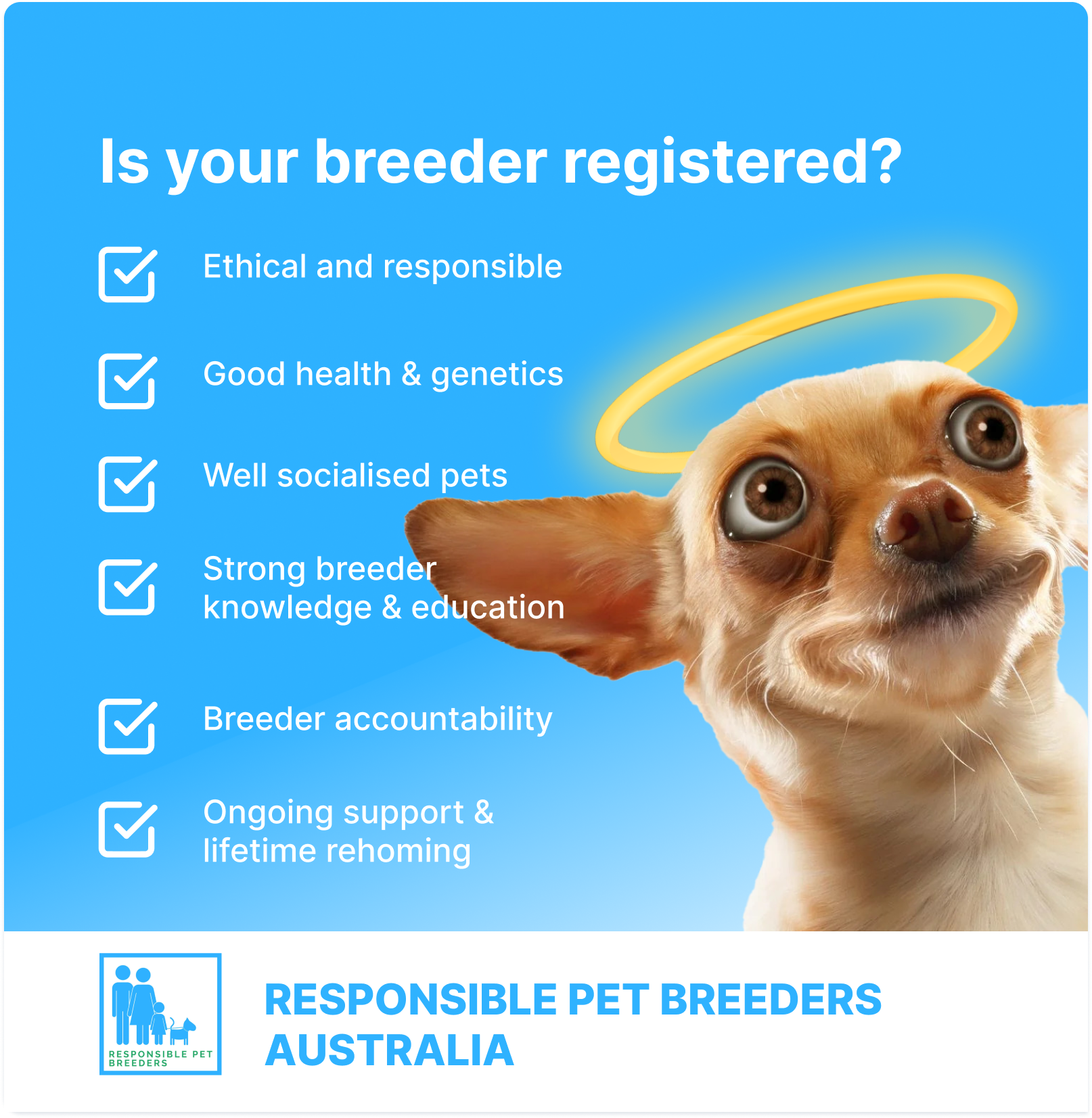
- Registered breeders: provide health-tested bloodlines, predictability in size and temperament, and often lifelong support. This matters for families wanting a specific trait, like low-shed coats or strong working instincts.
- Rescues and shelters: offer mixed-breed pups that often bring genetic diversity and fewer inherited health issues. Adoption also frees up space for another animal in need.
Always ask for vet records, check vaccination and desexing status, and ensure the environment is safe and ethical.
Final advice for Aussie puppy buyers
Bringing home a puppy is more than just the cost, it’s also a commitment that stretches across a decade or more. Consistent care, training and attention is what will turn your pup into a healthy and happy dog.
At the end of the day, the value of a puppy isn’t just measured in dollars. The companionship, joy, and loyalty that dogs bring into Australian households more than balance the financial side, provided you walk in with open eyes and a clear budget.
Related posts:

You must be logged in to post a comment.
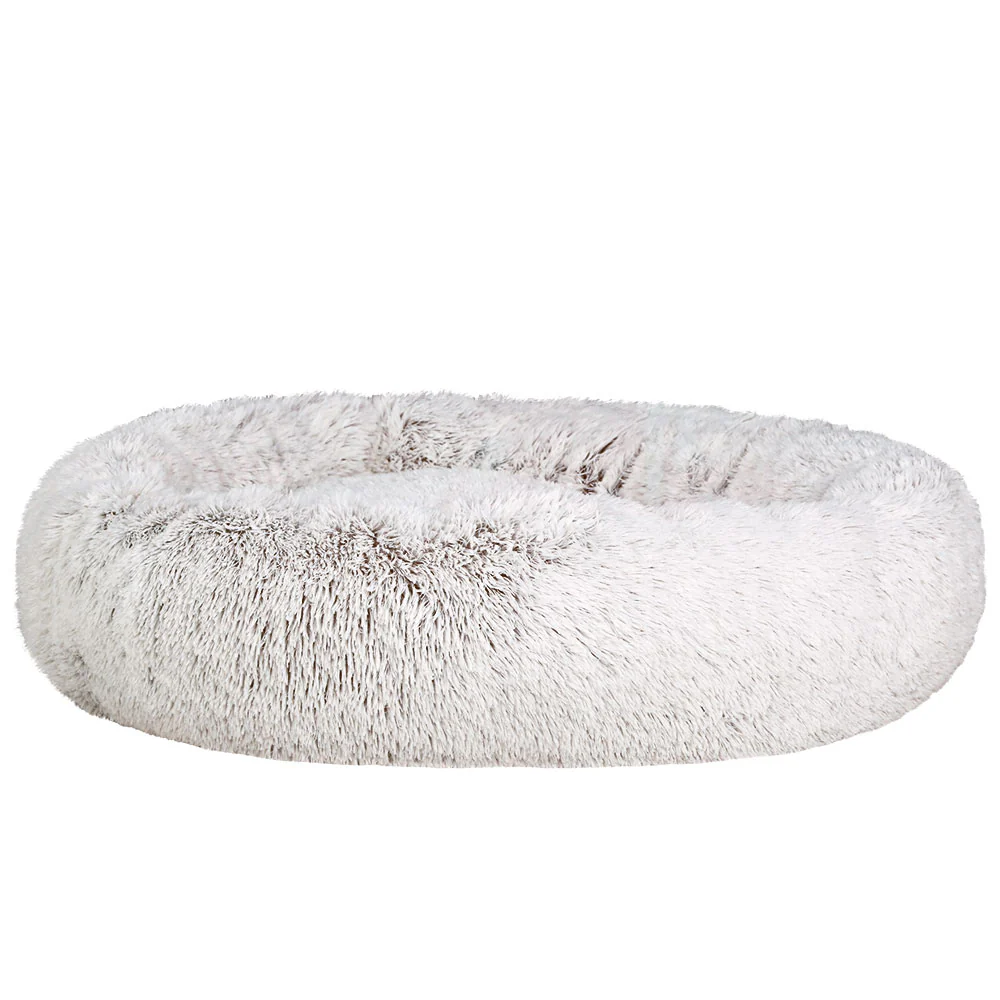

Dachshund Pet Stairs
$135.99 AUD
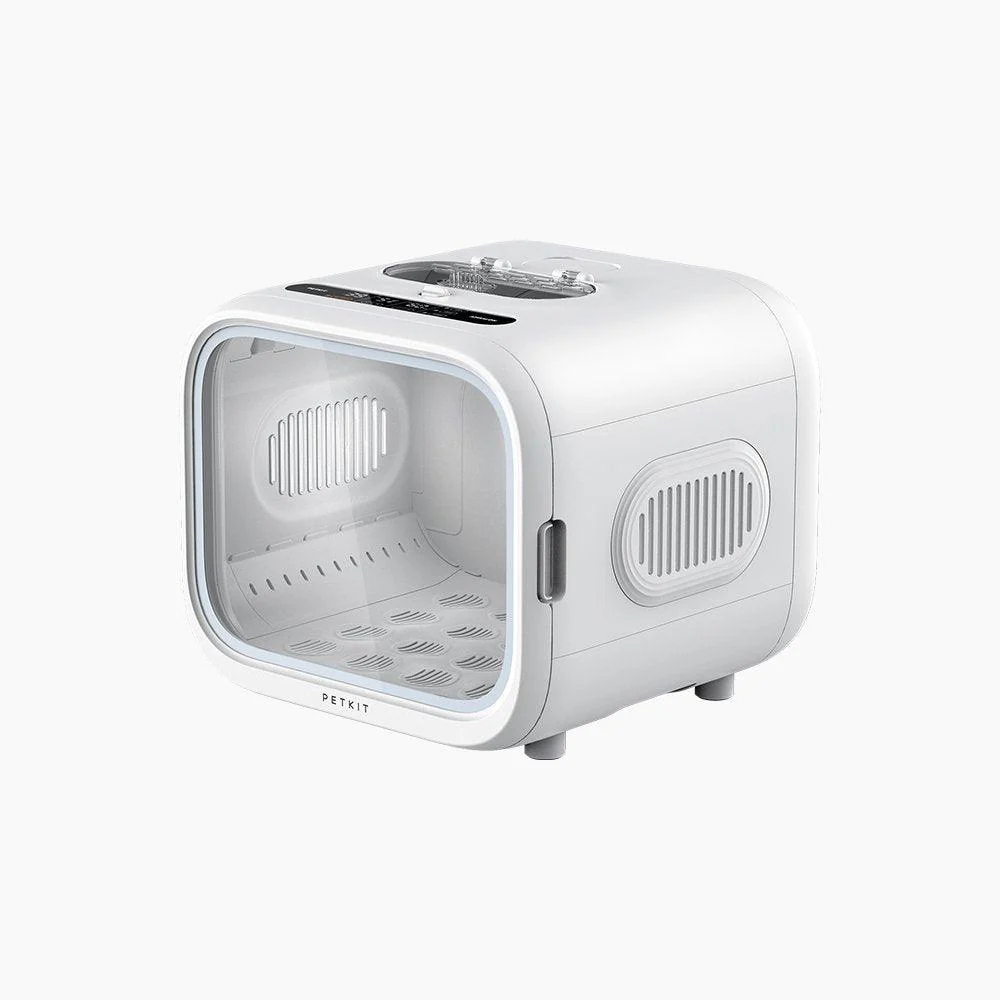
PETKIT AIRSALON Smart Pet Dryer Box
$622.99 AUD
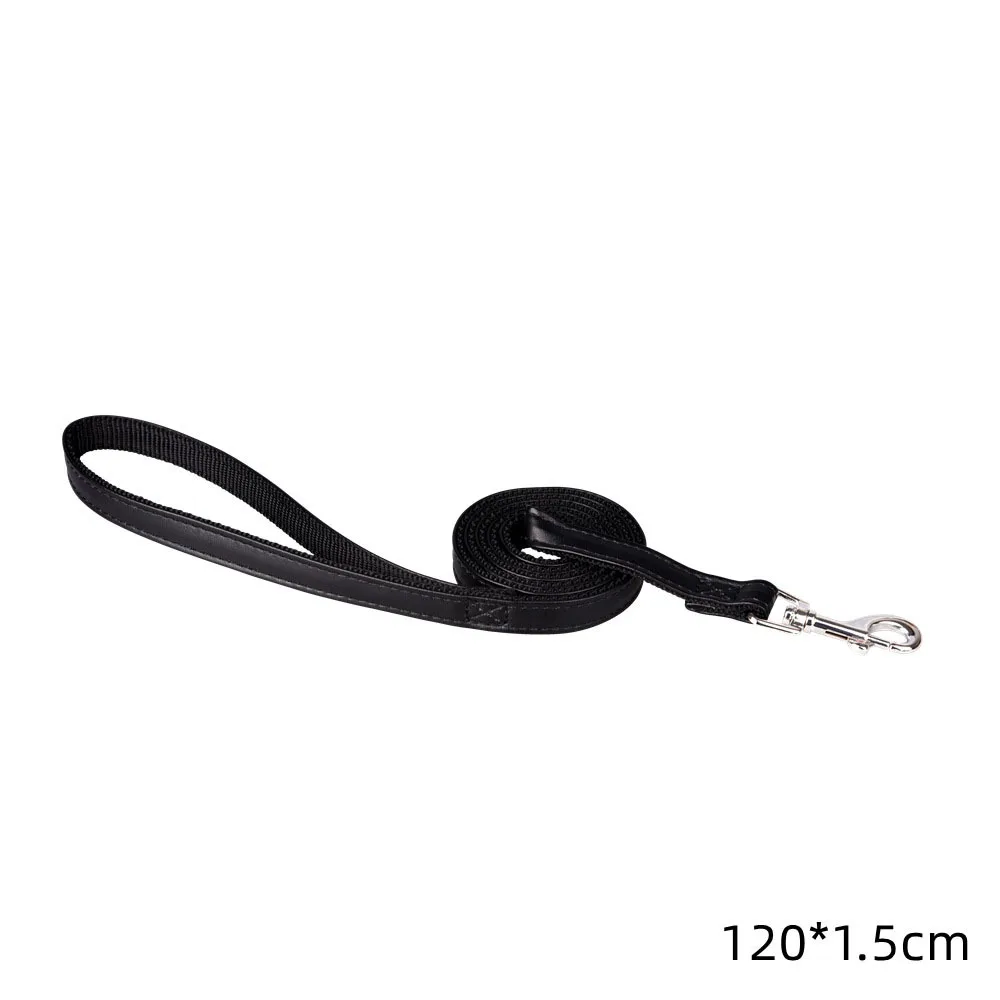
Premium Dog Training Leasg
$29.99 AUD
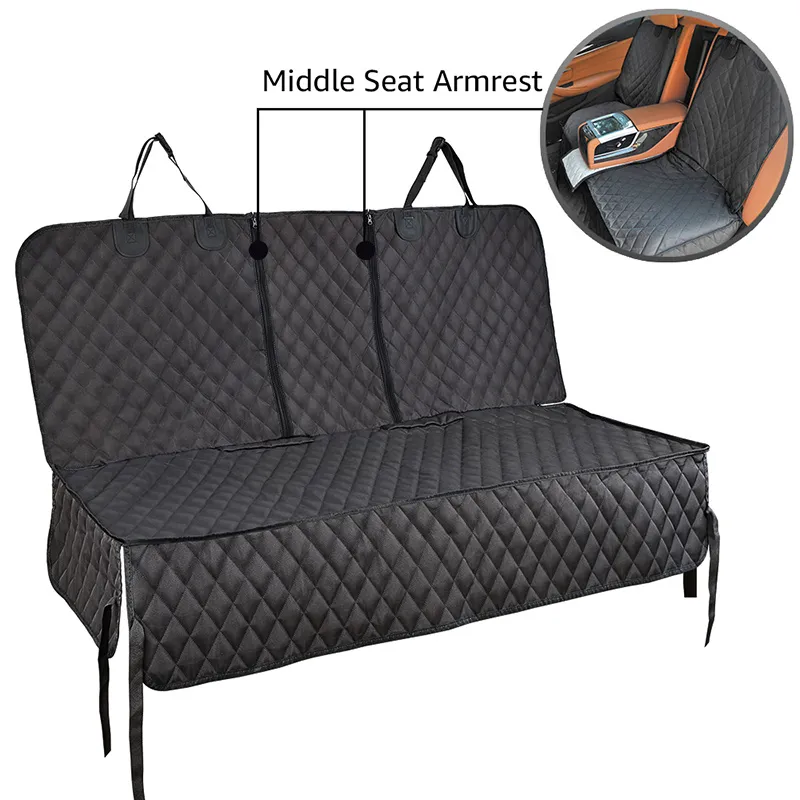
Argyle Dog Car Seat Cover
$87.99 AUD
Durable Pet Carrier
$536.99 AUD