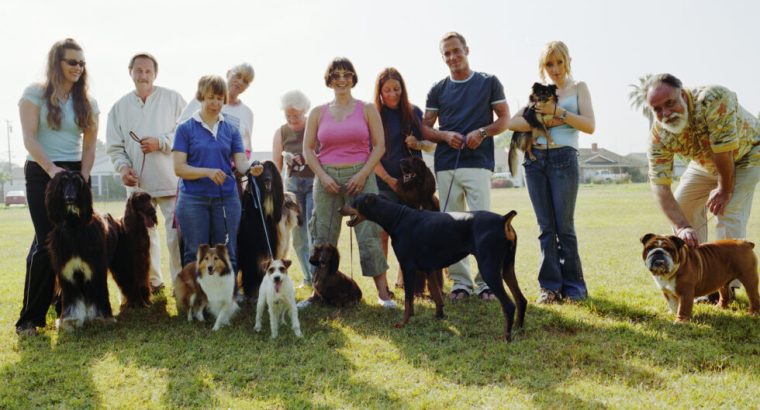
How Pet Owners Build Communities Through Online Conversations
It starts with a photo. A blurry snapshot of a puppy’s first clumsy yawn. Then, a question appears: “Why won’t my kitten eat?” Suddenly, a dozen strangers lean in. They offer tips, share stories, and—within minutes—a bond forms. This is how pet owners build communities online. Not through grand plans. Through tiny, urgent moments.
The internet didn’t invent pet love. But it gave it a megaphone. Today, platforms like Facebook groups, Reddit threads, and niche apps hum with conversations that blur the line between neighbor and friend. What’s remarkable? The glue is often just two words: pet care.
A Shared Language: Pet Care Wisdom
No one wakes up knowing everything. Not about dog allergies. Not about a senior cat’s sudden mood shift. So owners ask. A late-night post about a swollen paw gets seven replies before sunrise.
The beauty lies in the diversity. A retired breeder in Texas explains raw diets. A teenager in London shares a video on how to administer insulin. Live global conversations unite. Thanks to random online conversations platforms like CallMeChat, worlds and their knowledge intersect. This could be valuable advice, the experiences of other breeders, or simply a fun dialogue about furry friends.
This isn’t casual chat. It’s a living library. According to a 2023 survey by the Human Animal Bond Research Institute, 87% of pet owners say they turn to online communities for health advice at least once a month. Trust is built fast. Because the stakes are high—and the love is real.
The Power of “Adopt a Pet”
Then there’s the phrase that changes lives: adopt a pet. It echoes across these spaces like a quiet anthem. A user posts a shelter photo. Just one. A scruffy face, a crooked ear. The caption reads: “Three days left.”
The response is chaos. Beautiful chaos. Shares cascade. Fosters step up. Transport volunteers appear from two states away. A community doesn’t just form; it mobilizes. In 2022, a single viral thread on a subreddit led to over 200 adoptions in one week across six shelters. Numbers like that aren’t accidents. They’re the product of thousands of small, conversational sparks.
Conversations here are rarely neat. They’re layered. Someone asks about crate training. Another replies with a guide. A third jumps in with a personal failure—“I did it wrong at first”—and suddenly, everyone feels safe to be imperfect. That’s the soil where community grows.
From Screens to Sidewalks
Here’s a pattern worth watching: online chats lead to offline walks. A thread about reactive dogs spawns a local meetup at a quiet park. A “senior pet care” group organises a vaccine clinic in a church parking lot.
The shift is subtle but seismic. Conversations that began with a keyboard end with shared leashes, borrowed carriers, and someone holding your dog while you run inside for more poop bags. Statistics back it up: a 2024 report from the American Pet Products Association found that 41% of pet owners have met a friend in person through a pet-related online group. Forty-one percent. That’s not just community. That’s transformation.
Statistics That Speak
Let’s pause on numbers—because they tell a story too. Over 60% of U.S. households own a pet. That’s nearly 87 million families. And among them, 73% engage in online pet communities at least weekly, according to a 2023 study by the Pew Research Center.
But here’s the kicker: 54% of those owners said they joined initially for pet care advice but stayed for the friendships. The data reveals a quiet revolution. We think we’re logging on for knowledge. Turns out, we’re logging on for each other.
The Unexpected Bonds
Sometimes the conversations aren’t about pets at all. A member loses a job. Another faces a tough diagnosis. The group rallies. Meals are coordinated. A GoFundMe is shared. The pet becomes the excuse; humanity becomes the point.
These spaces defy expectations. They’re not neatly organised. Because real life doesn’t follow a script. Neither should the communities that hold us.
Navigating Rough Waters Together
Hard conversations happen too. When a pet crosses the rainbow bridge, the online circle knows. They send emojis that feel like hugs. They share their own stories of loss. Sentences here are often short. “I’m so sorry.” “We’re here.” Sometimes that’s enough.
In a world that often feels fragmented, these micro-communities offer continuity. A study from the University of Edinburgh noted that 68% of pet owners who participated in online support groups reported lower feelings of isolation after a pet’s death compared to those who did not. The numbers echo a simple truth: connection heals.
A Community, Not Just a Forum
So what are these spaces, really? They’re not just forums. They’re not just places to ask about kibble brands or leash training. They are neighborhoods built on shared vulnerability. A quiet thread at midnight. A photo of a newly adopted shelter dog. A question: “Am I doing this right?”
The answer comes not from an algorithm. It comes from a hundred strangers who, somewhere along the way, stopped being strangers. They write in fragments. They write in long, winding paragraphs. They laugh. They cry. They show up.
And that, perhaps, is the truest form of community. Not a polished platform. But a collection of people who know that when you choose to adopt a pet, you also adopt a tribe.
Related posts:




You must be logged in to post a comment.


Dachshund Pet Stairs
$135.99 AUD

PETKIT AIRSALON Smart Pet Dryer Box
$622.99 AUD
Premium Dog Training Leasg
$29.99 AUD

Argyle Dog Car Seat Cover
$87.99 AUD

Durable Pet Carrier
$536.99 AUD