The Pet Owner’s Guide to EOFY Cleaning Upgrades
Anyone who shares their home with a dog or cat knows the particular rhythm of pet ownership: the daily sweep for hair, the occasional panic clean before guests arrive, the slow creep of that distinctive animal smell that you stop noticing until someone else does. EOFY is one of the most reliably good times to do something about all of it. The same sales window that draws crowds for televisions and appliances brings genuinely competitive vacuum deals on exactly the tools that make life with pets cleaner and more manageable. This guide is about choosing the right equipment, understanding what actually works, and making your home look and feel beautiful even when animals are a permanent part of the picture.
Why EOFY Is the Right Moment to Upgrade
The EOFY sales run from late May until 30 June. For pet owners, this is almost ideal timing. This is the season when dogs and cats shed the most. The windows are closed and the indoor air quality takes a dive as a result. If you are one of the pet owners who finds it difficult to keep the floor free from hair from their pets, then the argument for investing in a better vacuum, a robot vacuum or an air purifier has never been stronger.
Many vacuum and home appliances manufacturers discount their products significantly during this time of year. Last year’s best-selling robot vacuum may be available at a price that was considered aspirational for most people when the product was launched last year. Identify your biggest pain point in relation to the home and invest in a solution for that problem first. One good quality machine will do more for your home than a collection of products that are cheaper to purchase but fail to solve your home’s real problem.
Choosing the Right Vacuum for a Pet Home
The vacuum is the centrepiece of a pet home cleaning setup, and it’s worth getting right. Not all vacuums handle pet hair equally, and the difference between a machine designed for the task and one that isn’t is significant in cleaning performance, longevity, and how pleasant it is to use.
What to look for in a vacuum for pets
The two features that matter most are filtration and brush design.
If you have anyone in the household with allergies or asthma, ensure the vacuum features a sealed HEPA filtration system. Such a system will capture the particles that cause allergies and asthma, unlike standard filters that only capture visible hair.
Brush design is important for a different reason. Bristle brush rolls are extremely effective at picking up the debris from the carpet but also have the same effectiveness in wrapping the pet hair around themselves until the motor strains to continue at the rate at which the brush is turning. Rubber brush rollers will allow the hair to release from the roller rather than the bristles clinging to the hair. This feature is important for households that own pets with long hair.
Upright, canister or stick?
Each format suits different homes. If you have both carpet and hard floors in your home, an upright vacuum will help you to cover more ground with powerful suction and large bins to store the dirt.
Canister models are more manoeuvrable and are better for homes where your pets might sleep in unexpected places.
Stick vacuums have improved dramatically in recent years and are powerful enough to be used daily in apartments or homes with hard floors only. These models are lighter and easier to move from place to place and can be charged on a mount on a wall rather than having to store it in a cupboard.
The Case for a Robot Vacuum in a Pet Home
A robot vacuum does not replace a proper vacuum – but it does prevent the accumulation of hair between cleans. This changes the dynamic of how the house looks and feels from day to day. With a robot vacuum running every morning, you’ll always have a presentable floor. Your guests will never see a fur-covered room, and you’ll never have to spend your evenings catching up on the hair shedding throughout the week. It’s a game changer for busy households.
Now is the time of the year to stock up on robot vacuums. Manufacturers like Ecovacs and Roborock run promotions throughout Australia at this time of year. Some of their more popular (and older) models that offer excellent performance drop to more accessible prices. If you have pets at home, look for models with rubber rollers instead of bristles, strong suction power, and good navigation mapping skills. Consider self-emptying bins if you’ve forgotten to empty the bin of the robot’s collected dust throughout the week.
Just ensure that you do not run the robot over a wet accident in the house. Always empty the bin after running the robot if you have a heavy shedding pet in the house. Check the rubber roller every week to ensure that the robot is running optimally. It takes 2 minutes to service and run the robot indefinitely. Neglect it and it will eventually clog and stop functioning altogether.
Air Quality: The Part of Pet Ownership Nobody Talks About Enough
Pet dander is suspended in the air. Vacuuming only helps with the particles on the floor. Using an air purifier with a true HEPA filter in your main living area or bedroom will improve the air quality in your home – especially during the winter months when you’re closed to the outside world.
Make sure the air purifier you choose is the correct size for your room. A small air purifier will not effectively clean the air in a large room. Check the square metre coverage that the air purifier manufacturers quote and buy one that will cover your room generously. Now is also a good time of year to purchase these products as they are also being discounted alongside the othervacuum and home appliances in the store.
For a thorough independent assessment of air purifier performance and HEPA filtration standards, CHOICE Australia’s air purifier reviews and buying guide test real-world particle capture rates across dozens of models essential reading before spending on a machine where manufacturer claims can vary significantly from actual performance.
Stains and Odour: What to Use and Why
The best cleaning product for dealing with pet accidents is an enzymatic product. The enzymes will work to break down the organic molecules in the urine, vomit and faeces – which is why they work to stop the pets from returning to the same spot to re-mark it. Other types of scented and disinfectant sprays will not have the same results.
For treating the pets’ accidents follow the product instructions but generally, the product should be applied to the spot where the pet accident occurred, allowed to sit for a period of time to break down the organic molecules and then blotted up the liquid. Should the stains be old, this application will have to be repeated. The product should reach the same depth as the stain itself and should not be applied sparingly to the spot.
Some products to avoid include phenol-based cleaners (some pine-scented products), essential oils (tea tree, eucalyptus and citrus are all toxic for cats), and undiluted bleach. Any surfaces treated with a cleaning product will be safe for the pets once the product has dried and the area has been well ventilated. However, avoid using aerosol sprays in the area if there are birds or small animals in the home.
The ASPCA Animal Poison Control Center has published a guide to the toxic and non-toxic substances for pets. This internationally-recognized resource provides information on the various products that are harmful to pets including cleaning products. This is a helpful resource that can be bookmarked for those making purchasing decisions for the home.
Designing a Home That Works for Pets and Looks Good Doing It
There is a design challenge unique to homes with animals that rarely comes up in interior coverage: how do you keep a space actively used by pets looking considered and cared for? The answer is mostly about surface choices, defined spaces and managed clutter rather than constant cleaning.
Floors and surfaces
Hard floors are dramatically easier to maintain in a pet home than carpet. Hair is visible and simple to remove; accidents don’t soak into fibres; odours don’t accumulate over time. Timber, tile and vinyl plank all work well. Where rugs are used, low-pile options in mid-tones are the most forgiving cream shows everything, very dark colours show every hair, and both extremes require constant attention. A mid-tone, low-pile rug in a natural texture reads beautifully in almost any room and is practical enough to own with animals.
For upholstery, tightly woven fabrics in natural mid-tones linen, cotton canvas, performance fabrics hold up better than loose weaves or velvet, which trap hair and are almost impossible to fully clean. Leather and high-quality faux leather wipe clean easily, which is practical, though they scratch with claws over time. Outdoor fabrics used indoors – the Sunbrella family and similar performance textiles are increasingly common in interior design and handle pet wear better than almost anything else.
Give pets their own defined spaces
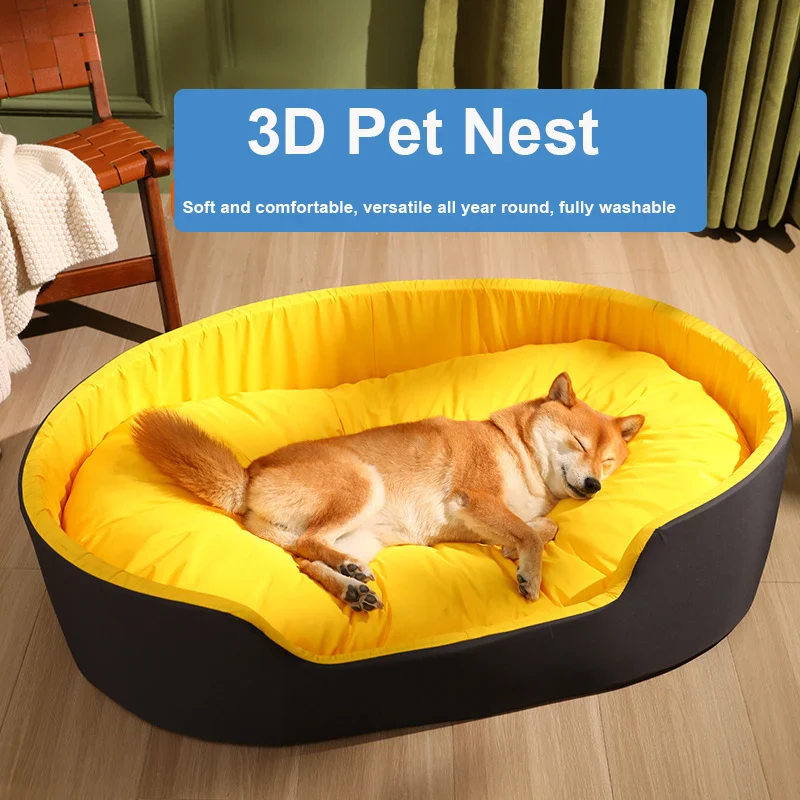
The homes that look best with animals in them are the ones where the animals have somewhere specific to be. A well-chosen dog bed, a cat tree that fits the room’s palette, a designated chair these are design decisions, not concessions. A beautiful linen-covered pet bed in a corner that matches the room’s tones doesn’t undermine the space’s aesthetic; it integrates the reality of pet ownership rather than fighting it. It also means your pet is more likely to stay in their spot than to redistribute themselves across the whole sofa.
Contain the equipment
Leads, harnesses, toys, grooming tools, food containers the physical footprint of pet ownership accumulates quickly, and the homes that manage it best give it dedicated, out-of-sight storage. A basket by the front door for outdoor equipment, a drawer in the laundry for grooming supplies, and a lidded container for toys. Containing the visual clutter of pet ownership does as much for a room’s feel as any amount of cleaning.
What to Spend and Where
Under $150
This is the range for consumables and small tools that make an immediate practical difference: a quality enzymatic cleaner, rubber hair-removal tools for furniture and car seats, a microfibre mop system for hard floors, and a supply of lint rollers. These are unglamorous purchases that will be used every day. If your vacuum is already adequate, start here and enjoy the instant results.
$150 to $600
The most productive range for EOFY vacuum shopping. At this price point during a sale you’ll find solid robot vacuums from reputable brands with the features that matter for pet homes – rubber roller heads, strong suction, reliable mapping – and quality HEPA stick vacuums that handle daily use without complaint. Don’t feel pressure to go higher unless your home genuinely warrants it: a $350 robot vacuum at EOFY prices will handle most households very well.
$600 and above
Premium territory: self-emptying robot vacuums with advanced mapping and hybrid mop capability, or high-end upright and canister HEPA vacuums from Dyson or Miele with exceptional filtration and longevity. Worthwhile for multi-pet households, larger homes, or anyone with meaningful allergy concerns where filtration quality is genuinely important. At this price point, longevity and parts availability are worth researching – a machine that lasts eight years at $800 is a better value than one that lasts three.
Keeping Your Equipment Working Well
A vacuum or robot that isn’t maintained performs like a cheaper vacuum that is. The maintenance required is minimal, but it matters: empty the dustbin after every run in a heavy-shedding household, clear the roller of any hair wrapped around it weekly, and wash or replace filters according to the manufacturer’s recommended schedule. For robot vacuums, this is typically a filter rinse monthly and a full replacement every three to six months. For HEPA upright vacuums, replacing the filter every 6 to 12 months helps maintain consistent suction and filtration.
Before buying at EOFY, spend a moment checking the price and availability of replacement parts for the specific model you’re considering. Proprietary filters that are expensive and only available directly from the manufacturer are a running cost that compounds over the years. A machine in which filters cost $15 and are stocked at local retailers is a meaningfully better long-term investment than one in which consumables are difficult to source.
Where to Start
The most satisfying thing about getting the cleaning setup right in a pet home is that the improvement is immediate and obvious. A robot running daily changes how the floor looks within a week. A HEPA vacuum used twice a week changes the air quality of the rooms where your pets spend most of their time. An enzymatic cleaner properly used on an old stain removes something that has been bothering you for months.
Start with the problem that bothers you most. Hair everywhere the robot vacuum. A persistent smell the enzymatic cleaner and an air purifier. Allergies or dander the sealed HEPA machine. Buy one thing well, use it properly, and build from there. EOFY is a good window to make that purchase at a better price than you’ll find at other times of the year but only if you spend it on something that genuinely fits your home and the animals who live in it.
Related posts:



You must be logged in to post a comment.
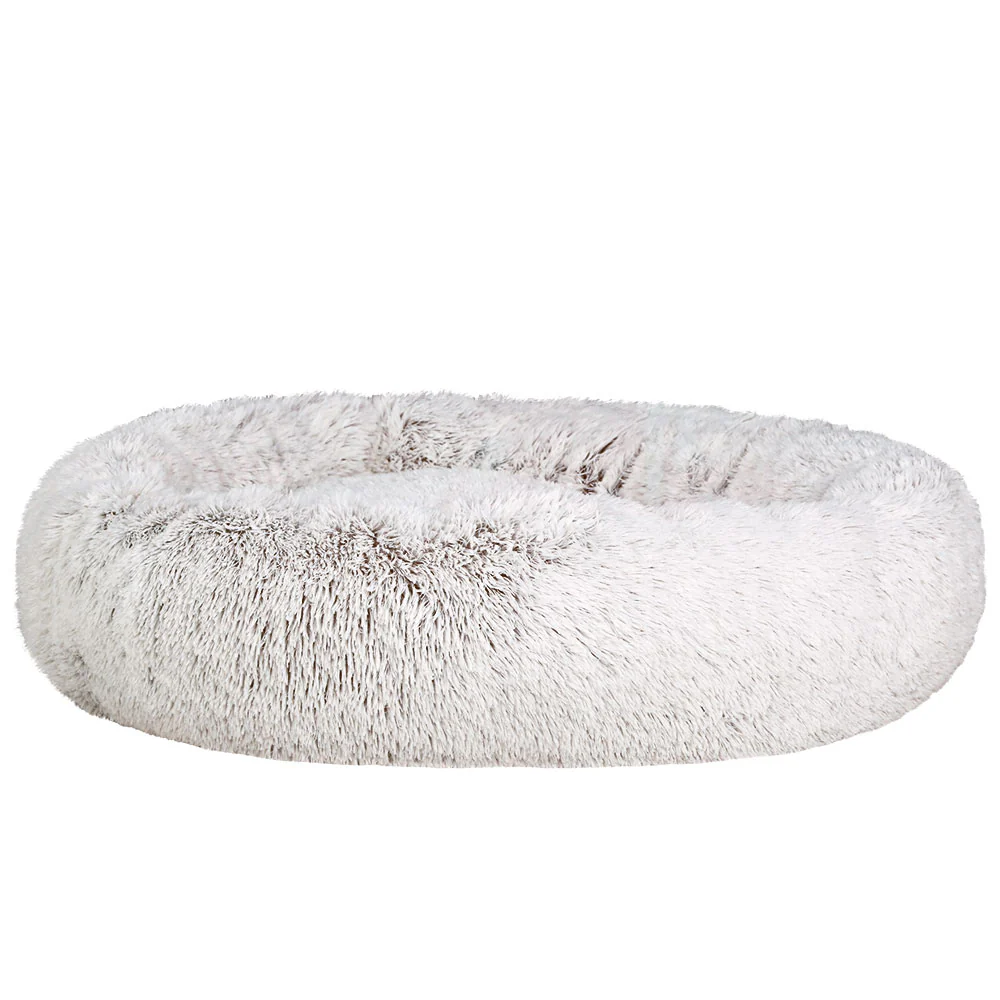

Dachshund Pet Stairs
$135.99 AUD
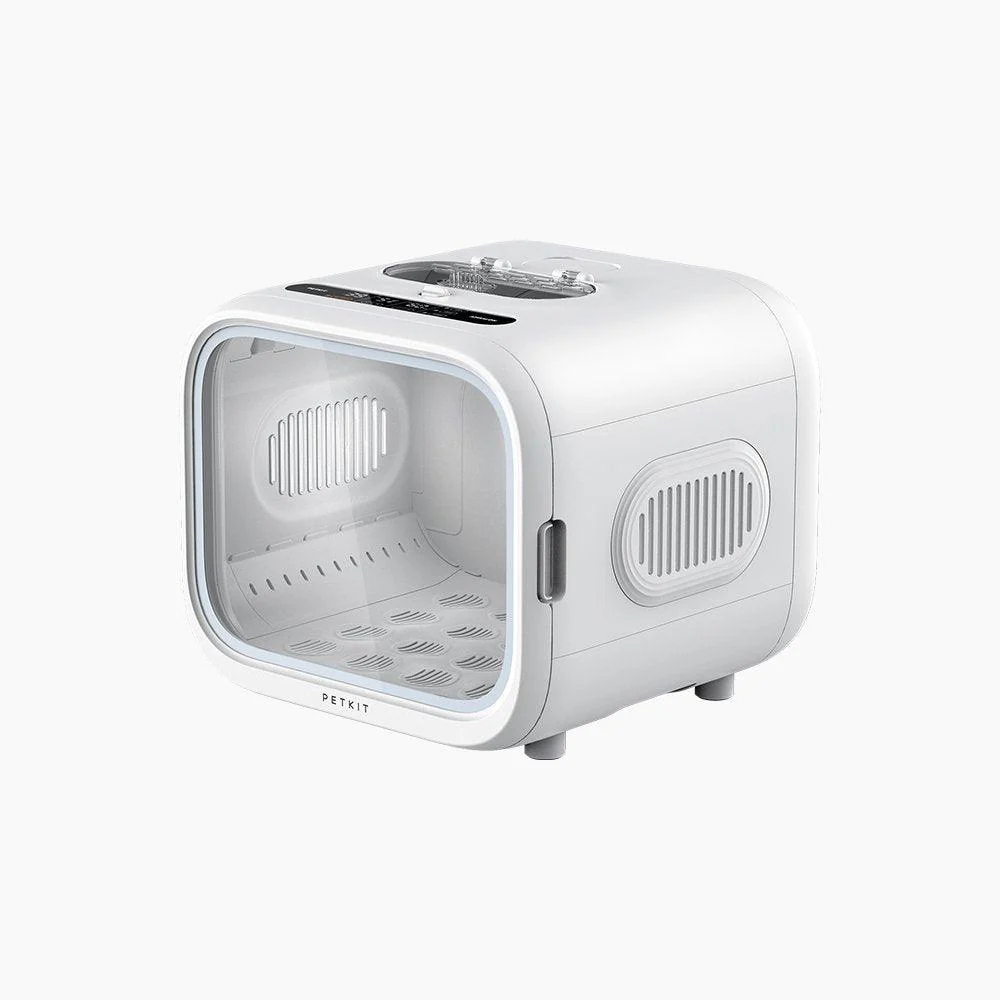
PETKIT AIRSALON Smart Pet Dryer Box
$622.99 AUD
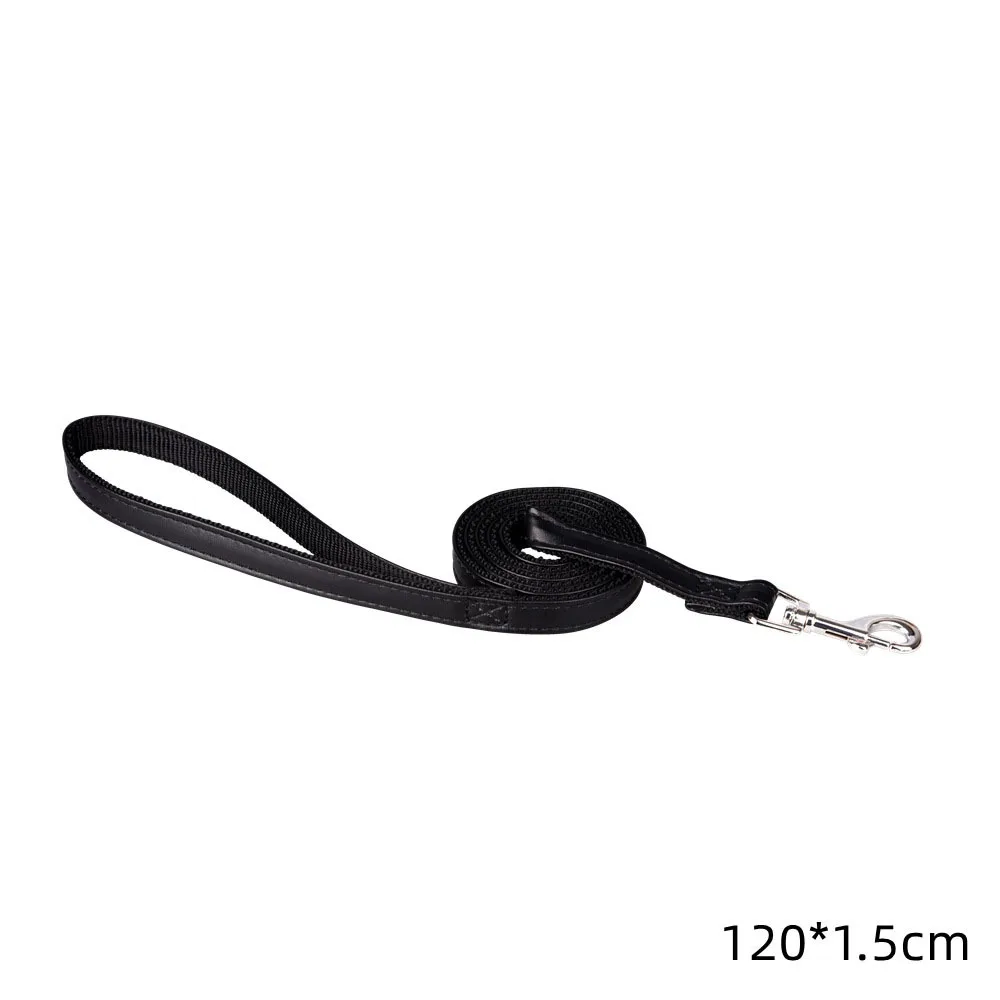
Premium Dog Training Leasg
$29.99 AUD
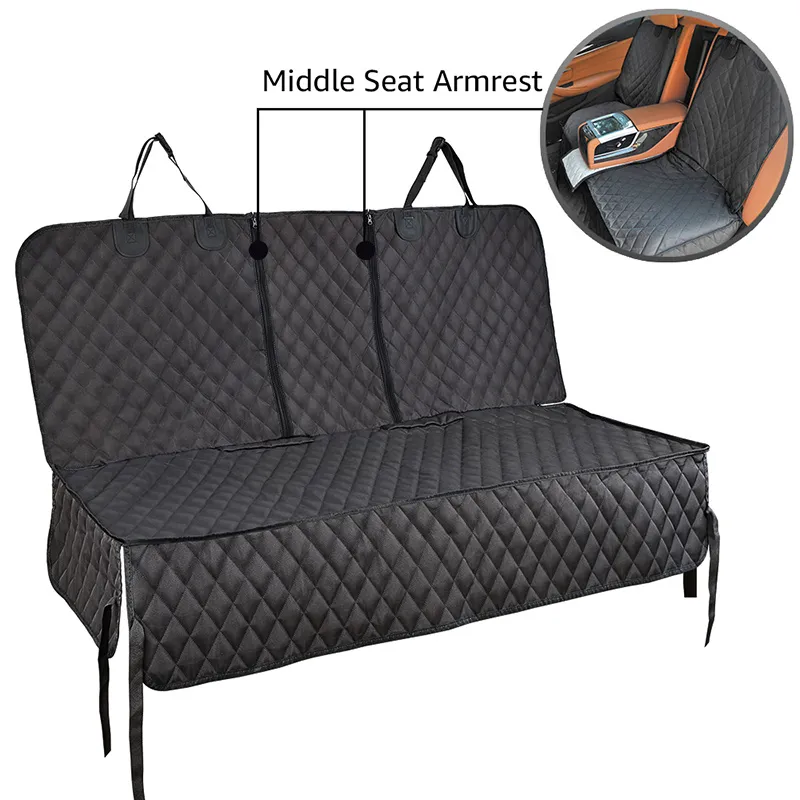
Argyle Dog Car Seat Cover
$87.99 AUD
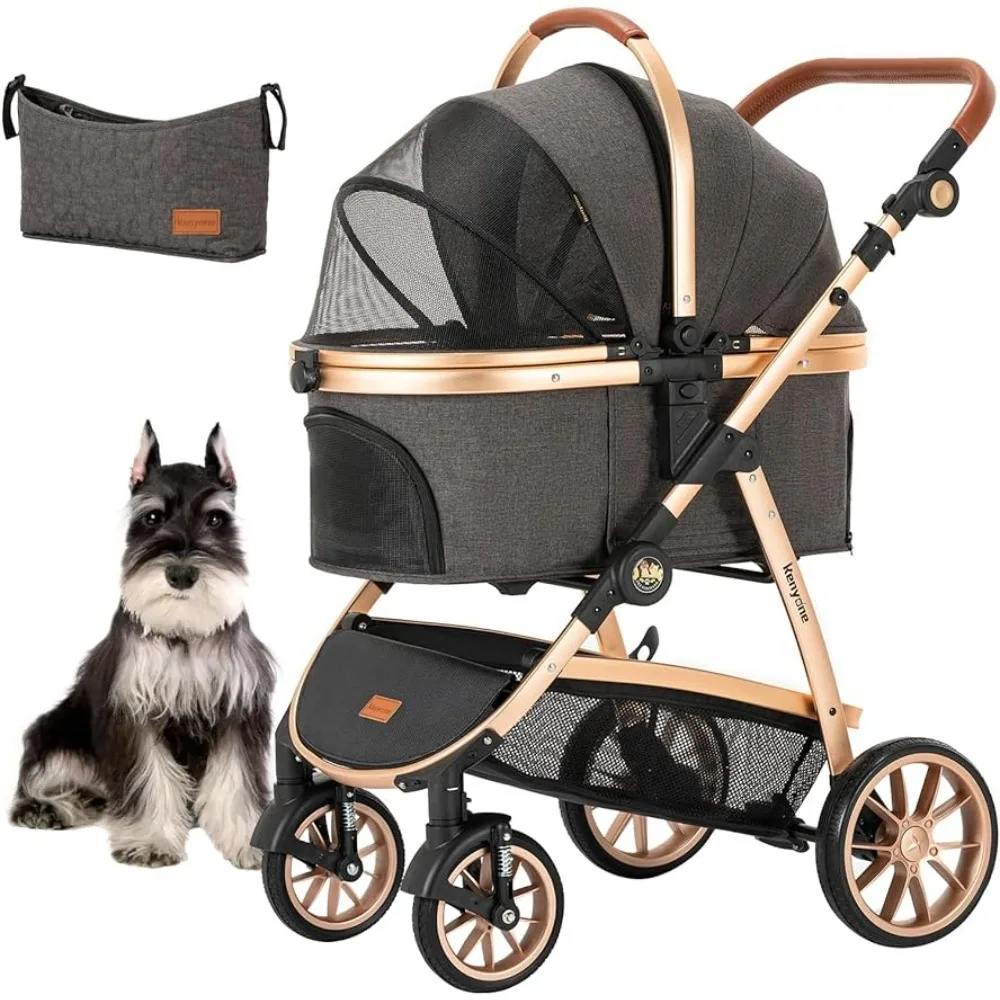
Durable Pet Carrier
$536.99 AUD