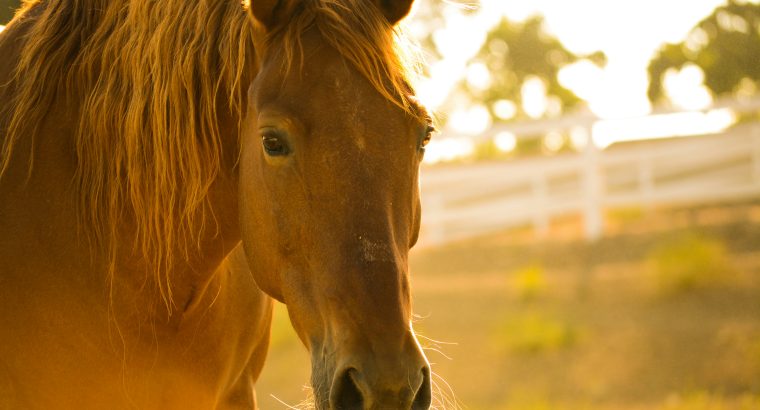
Understanding Your Horse’s Body Condition
Every horse owner has stood beside their paddock, wondering whether their horse looks a little too thin or perhaps carrying more weight than ideal. Assessing body condition is one of the most practical skills you can develop as a horse owner, yet it’s something many find challenging. The ability to recognise when your horse needs nutritional support can mean the difference between a thriving animal and one struggling with health issues.
The Body Condition Scoring System
Veterinarians and equine nutritionists use a standardized Body Condition Score (BCS) system that rates horses on a scale from 1 to 9, where 1 represents an emaciated horse and 9 indicates an obese animal. Most horses should maintain a BCS between 4 and 6, with 5 being considered ideal for the average riding horse.
What each score means:
- BCS 1-3 (Underweight): Ribs, backbone, and hip bones are easily visible. The horse appears angular with minimal fat coverage and possibly sunken areas around the tailhead.
- BCS 4-6 (Ideal range): Ribs can be felt with light pressure but aren’t prominently visible. The horse has a smooth, rounded appearance without obvious fat deposits.
- BCS 7-9 (Overweight to obese): Ribs are difficult to feel due to fat coverage. The horse may develop a cresty neck, fat deposits around the tailhead, and a rounded, apple-shaped barrel. For instance, research shows that 28.6% of horses in Saskatchewan were overweight or obese (BCS ≥7), highlighting how common weight management challenges have become.
When Horses Need Extra Nutritional Support
Several situations commonly require increased nutritional support beyond standard maintenance feeding.
Senior horses often struggle to maintain condition due to dental issues, reduced digestive efficiency, or chronic health conditions. These horses typically need higher-quality feeds with protein requirements that may increase to 12-14% for senior horses vs. younger animals, along with easily digestible feeds and sometimes supplemental fats to maintain their weight.
Breeding mares have dramatically increased nutritional demands, particularly during the last trimester of pregnancy and throughout lactation. A lactating mare can require significantly more energy than a horse at maintenance, making weight loss almost inevitable without dietary adjustments.
Horses recovering from illness or injury may need extra support while their bodies heal. Extended stall rest, reduced appetite from medications, or the metabolic demands of recovery can quickly deplete body condition.
Hard keepers are horses that struggle to maintain weight despite adequate feed. These individuals often have faster metabolisms, higher stress levels, or digestive inefficiencies that make weight maintenance challenging.
Reading the Warning Signs
Beyond the visual BCS assessment, several subtle indicators suggest your horse needs additional support.
Changes in coat quality often appear before dramatic weight loss becomes obvious. A dull, rough coat or delayed shedding patterns can signal nutritional deficiencies. Following a comprehensive horse grooming guide helps owners establish regular routines that make these subtle changes more noticeable during daily care. Similarly, reduced energy levels, slower healing of minor cuts or scrapes, and increased susceptibility to infections may indicate compromised nutrition.
Behavioral changes deserve attention, too. Horses that become food-aggressive, constantly search for additional feed, or seem less willing to work may be experiencing hunger or nutritional stress.
The “feel test” provides valuable information between formal BCS evaluations. Run your hands along your horse’s ribs, backbone, and over the tailhead monthly. Gradual changes in fat coverage often go unnoticed visually but become apparent through consistent hands-on assessment.
Practical Solutions for Supporting Body Condition
Adding calories doesn’t always mean simply increasing hay quantities. Poor-quality forage provides bulk but limited nutritional value, while high-quality hay offers better digestibility and nutrient density.
Feed upgrades often provide the most efficient solution. Switching from basic sweet feed to a higher-fat, higher-protein concentrate can significantly improve body condition without dramatically increasing feed volume. Look for feeds containing higher fat content for horses needing weight gain.
Fat supplements offer the most calorie-dense option for adding energy. Rice bran, stabilised flax, or commercial fat supplements provide approximately twice the calories per pound compared to grains. Start with small amounts and gradually increase to prevent digestive upset.
Horse weight gain supplement options can provide targeted nutritional support for horses struggling to maintain condition. These specialised products often combine easily digestible fats, proteins, and essential nutrients specifically formulated to support healthy weight gain. When selecting any supplement, consider your horse’s individual needs and current diet to ensure proper balance.
Digestive support helps horses extract maximum nutrition from their existing feed. Probiotics, prebiotics, or digestive enzymes can improve feed utilisation, particularly beneficial for senior horses or those with compromised gut health.
Common Mistakes to Avoid
Many well-intentioned horse owners make feeding errors that can worsen body condition problems. Dramatically increasing grain quantities often leads to digestive upset, colic, or laminitis rather than healthy weight gain. Experienced horse trainers often recognise these feeding mistakes that owners miss, particularly when horses show declining performance despite increased feed. Similarly, feeding poor-quality hay in larger quantities rarely solves condition problems and may create new issues.
Irregular feeding schedules stress horses and reduce feed efficiency. Horses have evolved to eat small amounts continuously, so dividing daily rations into multiple smaller meals promotes better digestion and weight maintenance.
Neglecting dental care undermines even the best feeding program. Annual dental examinations ensure horses can properly chew and process their feed, maximising nutritional extraction.
Creating a Support Plan
Successful body condition management requires systematic approach and patience. Document your horse’s current BCS with photos and hands-on assessment, then establish realistic goals. Healthy weight gain typically occurs gradually, making improvements a process that takes time and consistency.
Work with your veterinarian to rule out underlying health issues before making feed changes. Dental problems, parasite loads, or metabolic conditions can undermine even aggressive nutritional support efforts.
Monitor progress monthly rather than daily. Body condition changes slowly, and frequent assessments often create unnecessary anxiety for owners who expect rapid results.
The Investment in Long-Term Health
Supporting proper body condition represents one of the most important investments in your horse’s long-term health and performance. Horses maintaining appropriate weight experience fewer injuries, better immune function, and improved quality of life compared to those chronically under or over-conditioned.
The financial cost of quality feed, supplements, or veterinary consultations pales compared to treating the complications of poor body condition. Prevention through proper nutrition remains far more economical than managing the consequences of inadequate care.
Remember that every horse’s needs are individual. What maintains one horse perfectly may leave another struggling. Stay observant, remain flexible with your feeding program, and don’t hesitate to seek professional guidance when body condition concerns arise. Your horse’s health and comfort depend on your ability to recognise when extra support is needed and act accordingly.
Related posts:



You must be logged in to post a comment.


Dachshund Pet Stairs
$135.99 AUD

PETKIT AIRSALON Smart Pet Dryer Box
$622.99 AUD
Premium Dog Training Leasg
$29.99 AUD

Argyle Dog Car Seat Cover
$87.99 AUD

Durable Pet Carrier
$536.99 AUD